Overview
Miscarriage shakes people in a way few experiences can. It comes suddenly, silently, and leaves a deep emotional mark. When it happens more than once, the fear becomes heavier than the event itself. Recurrent Pregnancy Loss (RPL) means two or more miscarriages, and it is not a sign of failure. It is a sign that something inside the body needs clarity, correction, or support.
A fertility hospital in chennai always recommends a proper evaluation after repeated loss. When you understand the cause, you gain direction. And direction brings stability during a painful journey.
Why Miscarriages Happen Repeatedly
Most miscarriages are not random. Many have identifiable and treatable causes. RPL usually arises from a combination of factors—genetic, hormonal, structural, immune-related, or blood clotting issues. Sometimes age and lifestyle add pressure on top of these biological conditions.
RPL is not about blame. It is about alignment between the embryo and the body.
1. Chromosomal Abnormalities
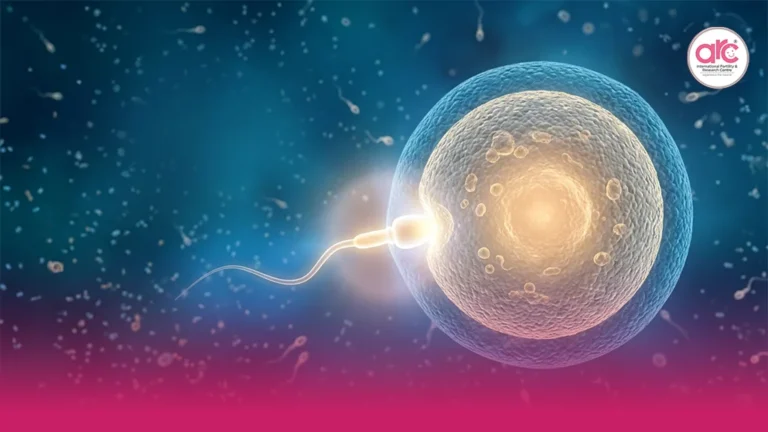
Around 50–60% of early miscarriages happen because the embryo develops with chromosomal errors. This does not automatically mean parents have genetic problems. Often the error occurs randomly when the egg and sperm combine.
When miscarriages repeat, doctors examine parental chromosomes, consider embryo testing (PGT) if IVF is planned, and check family history. If genetics is the cause, IVF with screening increases safety and reduces future losses.
For deeper clarity on embryo selection, see here.
2. Hormonal Imbalances
Hormones control ovulation, lining thickness, implantation, and the earliest days of pregnancy. When they fluctuate, pregnancies struggle to hold.
Common hormonal causes include thyroid problems, high prolactin, PCOS-related imbalances, low progesterone, and weak ovulation quality. These issues are treatable with proper medical support. A best fertility hospital in chennai always checks hormones early because balancing them prevents many future losses.
3. Structural Problems of the Uterus
The uterus must welcome, protect, and grow the embryo. When its structure is abnormal, implantation becomes weak.
Conditions such as uterine septum, cavity-distorting fibroids, polyps, adhesions, or congenital abnormalities can interrupt blood flow and prevent firm attachment. Most can be corrected through minor procedures like hysteroscopy.
To understand how embryos attach, you may read here.
4. Immune System Abnormalities
Sometimes the immune system overreacts. Instead of supporting the pregnancy, it sees the embryo as a threat. This usually happens quietly and without symptoms.
Issues include autoimmune thyroid disease, antiphospholipid syndrome, natural killer cell imbalance, or chronic uterine inflammation. Once identified, treatments like blood thinners, aspirin, steroids, or immune-modulating medicines help stabilise implantation.
5. Blood Clotting Disorders
Some women naturally form micro-clots in the vessels supplying the uterus. These tiny clots block oxygen and nutrients from reaching the embryo.
Conditions like thrombophilia, Factor V Leiden mutation, protein C/S deficiency, and antiphospholipid syndrome fall under this category. After diagnosis, most respond very well to simple medications throughout pregnancy.
6. Infections That Interfere With Implantation
Chronic low-grade uterine infections often go unnoticed. There may be no discharge, fever, or pain. But the lining becomes inflamed, and the embryo cannot attach firmly.
Chronic endometritis is a common cause and is detected through an endometrial biopsy. A course of antibiotics usually treats it effectively.
7. Age-Related Decline in Egg Quality
Age plays a major role in miscarriage risk. After 35, egg quality declines. After 38, the decline is steep. After 40, miscarriage risk rises to almost 40–50%. This happens due to increased chromosomal errors in older eggs.
Timely evaluation and, when needed, IVF can help overcome this limitation. For understanding how age affects choices, read here.
8. Male Factor Problems Often Overlooked
Miscarriage is often thought of as a woman’s issue, but sperm quality plays a major role in embryo health. High DNA fragmentation, poor morphology, varicocele, smoking, stress, and obesity all contribute to early embryo failure.
A fertility hospital in chennai will always test the male partner thoroughly. Balanced evaluation prevents delay and prevents repeated heartbreak.
9. Lifestyle Factors That Add Pressure
Lifestyle rarely causes miscarriage alone, but it magnifies other risks. Smoking, high alcohol intake, extreme stress, poor sleep, an unhealthy BMI, excess caffeine, and nutrient-poor diets all weaken early pregnancy support.
Improving lifestyle protects future cycles and supports hormonal balance. For preparation guidance, see here.
10. When No Clear Cause Is Found (Unexplained RPL)
Around 30–40% of RPL cases show no clear cause—even after full testing. This is difficult emotionally. But unexplained does not mean impossible. Many couples with unexplained RPL have healthy pregnancies later with closer monitoring, better timing, and targeted support.
IVF with genetic screening can also offer clarity when embryos repeatedly fail.
Unexplained RPL means more care, not less hope.
Final Thought
Recurrent miscarriage feels heavy, but it is not the end of the journey. It is a medical condition with medical solutions. Once you understand the cause, treatment becomes clearer. And clarity brings strength.
A fertility hospital in chennai will approach RPL with science, patience, and detailed evaluation. The best fertility hospital in chennai will guide you honestly, explain every step, and build a plan that respects both your biology and your emotional state.
Most couples with RPL ultimately succeed.
What matters is not how many losses happened —
but how wisely and steadily you rebuild the path forward.