Overview
Inflammation works quietly in the body. You do not feel it the same way you feel pain or fever. It moves under the surface, affecting hormones, ovulation, the uterus, and even early embryo development. Most women do not suspect inflammation because the symptoms are subtle. But for many, it becomes the hidden barrier that blocks conception.
A fertility hospital in chennai sees this often. Reports look normal, scans look normal, but cycles weaken. The problem is not always age or anatomy. Sometimes it is a body stuck in a constant inflammatory state. And when inflammation stays high, fertility drops steadily without dramatic warning signs.
What Inflammation Really Means for Fertility
Inflammation is the body’s response to stress, chemicals, food triggers, and internal imbalance. A little inflammation is normal and protective. Chronic inflammation is where the damage begins. It weakens egg health, disturbs hormone balance, reduces uterine receptivity, and increases miscarriage risk. It touches almost every part of the reproductive system.
Chronic inflammation does not show up in a single blood test. It shows up over months — in irregular cycles, poor ovulation, fatigue, unstable hormones, or repeated implantation failure. By the time most women realise something is wrong, inflammation has already shaped multiple cycles quietly.
How Inflammation Weakens Ovulation
Ovulation depends on clean hormonal communication between the brain and ovaries. When inflammation rises, this communication becomes disturbed. The body shifts into a “protection mode” and slows down reproductive functions. Follicles grow inconsistently. Eggs mature poorly. Some cycles release no egg at all.
Women with PCOS feel the impact strongly, but inflammation affects women without PCOS as well. Cycles that were once predictable become irregular. PMS becomes intense. Mood changes increase. These are not random fluctuations. They are signals that the body is under internal stress.
The Impact on Egg Quality
Eggs are sensitive cells. They age with time, but they weaken faster when inflammation is high. Inflammation increases oxidative stress — a force that damages cells from within. This affects chromosome stability, mitochondrial energy, and the overall competence of the egg.
Women often blame age for poor-quality embryos. But inflammation plays an equal role, especially in women in their late twenties and thirties. When oxidative stress rises, embryos fail to grow or stop on day three or day five. The root cause may not be age alone — it may be chronic inflammation.
Inflammation and Miscarriage
Miscarriage is rarely caused by one factor. Inflammation is one of the most overlooked contributors. It interferes with implantation, weakens placental development, and affects how progesterone acts on the uterine lining. Even early pregnancies require a calm, stable immune environment. When inflammation is high, that environment becomes unstable.
Women facing recurrent pregnancy loss often show signs of chronic inflammatory imbalance. The embryo is not being rejected. The uterus is not hostile. The problem is that inflammation has disturbed the body’s ability to support early pregnancy. Understanding this changes treatment completely.
Hormone Imbalance Triggered by Inflammation
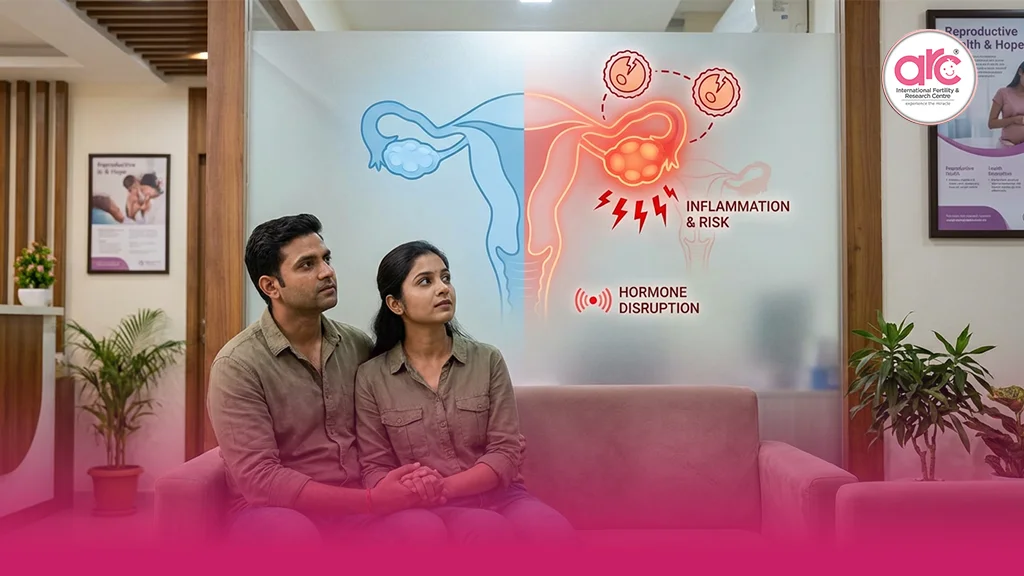
Inflammation affects hormone production more than most people realise. It raises cortisol, increases androgens, disturbs insulin, and weakens thyroid function. This causes a slow hormonal shift that affects cycles month after month.
The result is a mix of symptoms: irregular periods, heavy flow, short cycles, long cycles, breast tenderness, acne, weight gain, and fatigue. These do not happen randomly. They reflect a body under inflammatory stress. When hormones fall out of rhythm, fertility follows the same path.
Inflammation Inside the Uterus
Even if ovulation is normal and the embryo is strong, inflammation inside the uterus can stop implantation. It affects blood flow, alters the structure of the lining, and reduces its responsiveness to progesterone. A lining that looks “thin” or “unpredictable” on scans may actually be reacting to inflammation.
Treatments like PRP help some women by improving uterine healing and blood flow. But long-term success still depends on controlling inflammation at the root.
Common Sources of Inflammation Women Ignore
Inflammation builds from everyday habits. Processed foods, reheated oils, sugary snacks, and trans fats create an inflammatory environment in the body. Synthetic clothing traps heat and exposes the skin to chemicals that stress hormones. Poor sleep keeps cortisol high. Stress without relief disrupts the entire hormonal network.
Environmental chemicals add another layer — perfumes, plastics, cosmetics, and cleaning agents often contain hormone-disrupting compounds. Even long hours of sitting reduce blood flow to reproductive organs, adding to internal stress. None of these triggers appear dramatic on their own, but together they create chronic inflammation.
How Omega-3 Fertility Benefits Counter Inflammation
Omega-3 fatty acids directly lower inflammation in the ovaries, uterus, and bloodstream. They stabilise hormone production, support egg quality, strengthen the uterine lining, and balance immune function. Women with low Omega-3 often struggle with irregular cycles, PMS issues, and inflammatory symptoms without realising the connection.
Omega-3 does not cure fertility problems. But it reduces the inflammatory burden that blocks natural conception and affects IVF outcomes. It prepares the body to respond better to treatment.
Inflammation in Men
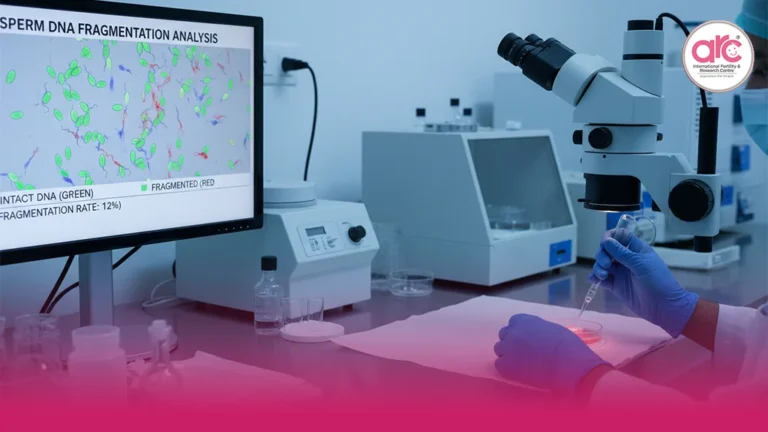
Women are not the only ones affected. Inflammation also damages sperm count, motility, morphology, and DNA quality. Men exposed to synthetic clothing, internal stress, high heat, and poor diet show immediate deterioration in sperm health. The good news is that sperm responds quickly when inflammation is controlled.
When both partners reduce inflammation, the fertility outcome improves significantly.
When to Seek Medical Guidance
If inflammation has already disrupted cycles, egg quality, or implantation, professional evaluation becomes necessary. The best fertility hospital in chennai will examine hormone levels, lifestyle patterns, uterine health, and inflammatory markers before deciding treatment. Correct diagnosis prevents repeated failure.
Medical care works best when the internal environment is prepared. Ignoring inflammation only delays success.
Final Thought
Inflammation is not loud. It does not declare its presence. But it shapes fertility quietly, cycle after cycle. It weakens eggs, disturbs hormones, affects implantation, and increases miscarriage risk. Most women mistake these signs for stress or age. But the real issue lies deeper.
Understanding inflammation gives women control. Managing it gives the body room to recover. And recovery is what improves fertility — not luck, not chance, but disciplined correction.
When the body calms, fertility strengthens.
When inflammation settles, clarity returns.