Overview
Why a “normal” semen analysis isn’t the whole story, and what sperm DNA fragmentation is quietly telling you.
This is how it usually starts.
The semen report looks fine.
The count is good.
Motility is acceptable.
Morphology doesn’t raise alarms.
Everyone breathes a little easier.
And then IVF fails.
Not once. Sometimes twice. Sometimes again.
Embryos fertilise, grow for a few days, and then stall. Day 3 arrives, and development slows or stops. Doctors call it “poor embryo quality.” Couples hear “bad luck.”
But for many men, the real problem was never visible on that first report.
It was hidden inside the sperm itself.
What Sperm DNA Fragmentation Actually Means
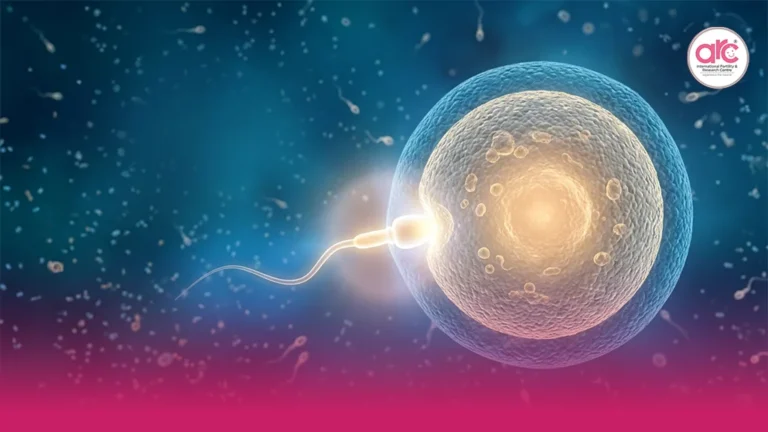
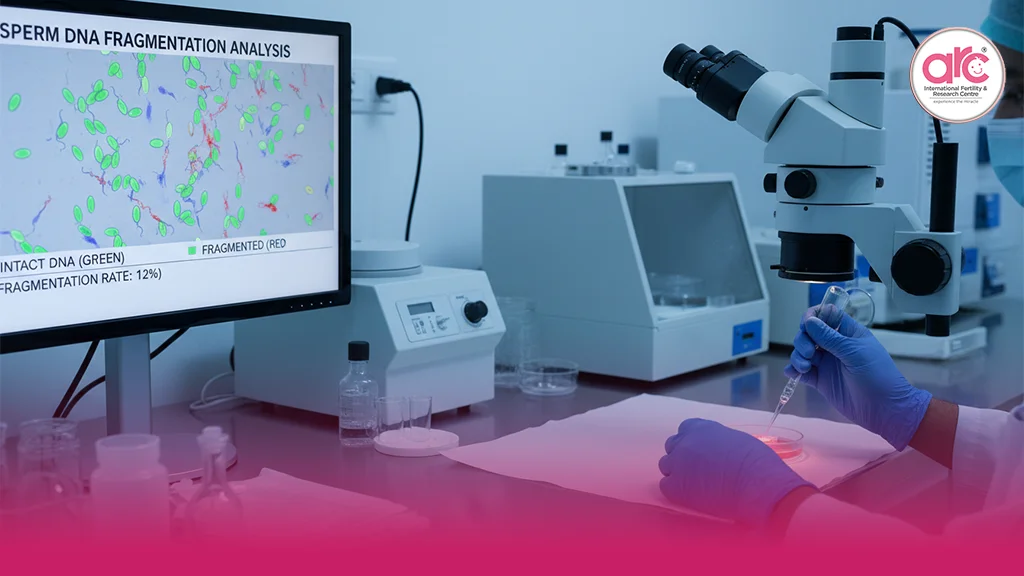
Sperm DNA fragmentation refers to breaks or damage within the DNA carried by sperm. The sperm may look perfectly normal under a microscope, but the genetic material inside is compromised.
Think of it this way.
A semen analysis tells you how many sperm are present and how they move.
It does not tell you how intact the genetic instructions are.
This is the gap where many fertility journeys quietly derail.
High sperm DNA fragmentation means the sperm can fertilise an egg, but the embryo may not have the genetic stability needed to continue dividing beyond the early days.
Why IVF Fails at Day 3 When DNA Is Damaged
Early embryo development relies heavily on the egg. For the first couple of days, the egg’s internal machinery drives cell division.
Around Day 3, control shifts.
The embryo begins to depend on its own genetic blueprint, half of which comes from sperm. If that DNA is fragmented, the embryo struggles to continue growing. Division slows. Errors accumulate. Development arrests.
This is why IVF failures linked to sperm DNA damage often look confusing. Fertilisation rates may be normal. Early cleavage may look fine. Then suddenly, progress stops.
The problem was always there.
It just took time to show itself.
Semen Analysis vs DNA Fragmentation: The Missing Conversation
This is where many men are misled, unintentionally.
A standard semen analysis evaluates:
- Count
- Motility
- Morphology
It does not assess genetic integrity.
So when men hear “your semen analysis is normal,” they assume fertility isn’t an issue. But semen analysis vs DNA fragmentation is not a comparison of better or worse tests. It’s a comparison of surface versus depth.
You can have high counts and high fragmentation.
You can have excellent motility and damaged DNA.
At a fertility hospital in Chennai, this distinction becomes critical in cases of repeated IVF failure, unexplained poor embryo development, or recurrent pregnancy loss.
The Male Factor in Recurrent Miscarriage
This is one of the most painful blind spots in fertility care.
When miscarriages happen, attention often turns immediately to the woman. Hormones. Uterus. Immunology. Age.
But recurrent miscarriage male factor is real, and sperm DNA fragmentation is one of its strongest contributors.
Embryos created with fragmented DNA may implant successfully but fail later when genetic errors become incompatible with growth. The loss is devastating. And without testing, the cause remains invisible.
This silence around male contribution adds unnecessary guilt and delay.
Why DNA Damage Happens in the First Place
Sperm DNA fragmentation doesn’t appear randomly. It accumulates.
Common contributors include:
- Oxidative stress
- Smoking and alcohol
- Chronic infections
- Varicocele
- Poor sleep and high stress
- Heat exposure
- Environmental toxins
- Aging
Lifestyle and metabolic health matter more than most men realise. Research such as Father’s Fitness May Be Quietly Passed Down Through Sperm has already shown that sperm quality reflects how a man lives, not just how his body looks on paper.
At the best fertility hospital in Chennai, DNA fragmentation is increasingly viewed as a signal, not a sentence.
When to Suspect Sperm DNA Fragmentation
Testing isn’t needed for everyone. But it becomes important when patterns repeat.
Consider evaluating DNA fragmentation if there is:
- Repeated IVF failure with good eggs
- Embryos arresting around Day 3
- Unexplained infertility
- Recurrent pregnancy loss
- Normal semen analysis but poor outcomes
In these situations, continuing treatment without addressing sperm DNA quality often leads to the same result, again and again.
Can Sperm DNA Fragmentation Be Lowered?
This is the part many couples don’t expect.
Yes, in many cases, DNA fragmentation can be improved.
Understanding how to lower sperm DNA fragmentation involves both medical and lifestyle strategies. Treating infections. Correcting varicoceles. Reducing oxidative stress. Improving sleep, nutrition, and metabolic health. Adjusting ejaculation frequency. Sometimes using advanced sperm selection techniques during IVF.
Sperm production takes about three months. Changes made today can influence DNA quality within a single cycle.
This window matters.
Why Ignoring DNA Quality Costs Time
IVF is emotionally and financially demanding. Repeating cycles without understanding why embryos fail compounds that burden.
DNA fragmentation doesn’t always block pregnancy. But when it does, no amount of stimulation or embryo transfer technique can override broken genetic instructions.
Treating the egg harder when the issue lies in the sperm is not balance. It’s misdirection.
The Emotional Weight Men Rarely Voice
Many men struggle silently with this information.
They did their part.
They provided a sample.
They were told everything looked fine.
Learning later that their sperm’s DNA may be contributing to failure can trigger guilt, defensiveness, or withdrawal. But knowledge isn’t accusation.
It’s empowerment.
Understanding sperm DNA fragmentation gives men a role beyond waiting on the sidelines. It turns fertility from something that “happens” to something that can be supported intentionally.
The Truth Couples Need Earlier
A normal semen analysis is a starting point, not a conclusion.
Sperm DNA fragmentation explains why some IVF cycles fail despite “good” numbers. It explains why embryos stop growing. It explains losses that never had names.
Most importantly, it explains why looking deeper can change outcomes.
Fertility isn’t just about quantity.
It’s about integrity.
And when integrity is restored, the story often changes in ways no microscope could predict.