Overview
You did the test.
The semen analysis came back “normal.”
Count looked good.
Motility was fine.
Morphology wasn’t alarming.
Everyone relaxed.
And then the IVF cycle failed. Or worse, it worked briefly and ended too early. Again.
This is where many couples get stuck. The reports say one thing. The outcome says another. And the quiet question starts forming.
If everything looked normal, what went wrong?
This is where sperm DNA fragmentation enters the conversation. Often late. Often reluctantly. Almost always after disappointment.
What a Standard Semen Analysis Actually Measures
A routine semen analysis looks at three main things.
- How many sperm are present
- How well they move
- How they look under a microscope
These are important. But they are surface-level measurements.
They tell you how sperm behave.
They do not tell you how intact the genetic material inside those sperm really is.
This distinction matters more than most people realise.
DNA Is the Blueprint, Not the Shell
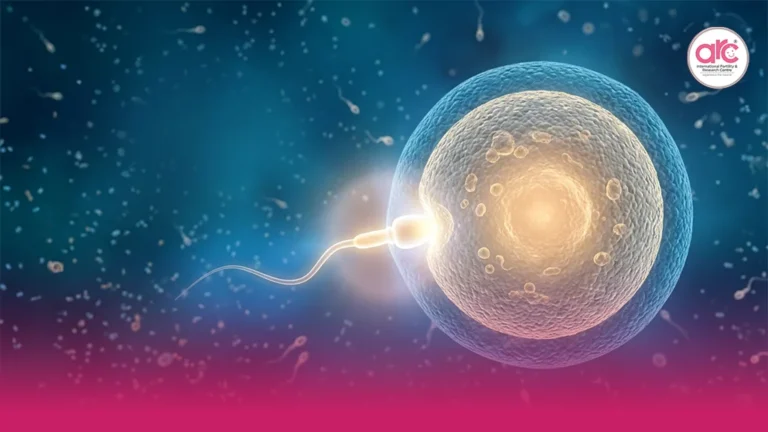
Sperm are delivery vehicles.
Their job is not just to reach the egg. Their job is to deliver intact DNA that can support embryo development beyond the earliest days.
DNA fragmentation refers to breaks or damage in the sperm’s genetic material. A sperm can swim well, look perfect, and still carry damaged DNA.
Under a microscope, it passes.
At fertilisation, it may fail quietly.
This is why some embryos fertilise normally and then stop growing around Day 3. This is why some pregnancies start and then end before a heartbeat.
The shell looked fine.
The blueprint was compromised.
What the Fragmentation Index Tells Us
The DNA Fragmentation Index, often abbreviated as DFI, measures the percentage of sperm with damaged DNA.
Lower fragmentation suggests better genetic integrity. Higher fragmentation indicates increased risk for fertilisation failure, poor embryo development, or early miscarriage.
This test doesn’t replace semen analysis. It adds a missing layer.
For couples with repeated failures despite “good” sperm reports, this layer is often the one that explains everything that didn’t make sense before.
Why Fragmentation Doesn’t Show Up Early
DNA fragmentation often goes unnoticed because it doesn’t always affect count or motility.
A man can have high counts and excellent movement while still having significant DNA damage. This is especially common when damage comes from oxidative stress rather than production issues.
Oxidative stress can be caused by:
- Heat exposure
- Smoking or alcohol
- Infections
- Varicoceles
- Chronic stress
- Poor sleep
- Environmental toxins
None of these necessarily lower sperm numbers immediately. They damage what’s inside.
Why IVF Can Expose the Problem
In natural conception, many sperm compete and the body filters aggressively. IVF changes that dynamic.
When fertilisation happens in a lab, sperm selection is more controlled, but DNA damage can still slip through if it isn’t specifically screened for.
This is why some couples experience:
- Repeated implantation failure
- Embryos arresting early
- Good-looking embryos that don’t lead to pregnancy
- Recurrent early miscarriages
The issue wasn’t fertilisation.
It was what happened after.
Why This Feels So Frustrating for Couples
There is a particular frustration when you are told things are normal, only to watch cycles fail.
It creates doubt. About the clinic. About the process. About yourselves.
Men often feel especially blindsided because they were reassured early. Women often feel pressure to keep “fixing” their bodies when the issue was never fully investigated on the male side.
This imbalance delays answers.
Who Should Consider DNA Fragmentation Testing
This test is not for everyone. But it becomes highly relevant when patterns emerge.
It is often considered when there is:
- Repeated IVF failure
- Recurrent early miscarriage
- Poor embryo development despite good egg quality
- Unexplained infertility
- Known risk factors like varicocele or high oxidative stress
Testing doesn’t assign blame. It provides direction.
What Happens If Fragmentation Is High
High fragmentation does not mean there is no path forward.
It means the approach needs adjustment.
Depending on the cause and severity, strategies may include:
- Lifestyle interventions to reduce oxidative stress
- Medical or surgical treatment of underlying issues
- Antioxidant therapy under supervision
- Changing fertilisation strategy
If DNA damage is high, specialized procedures may be needed. Learn about ICSI vs. Conventional IVF: Which is Best for You?
In some cases, selecting sperm more carefully or changing how fertilisation occurs significantly improves outcomes.
Why This Test Is Often Done Too Late
DNA fragmentation testing is still not routine everywhere.
Part of that is cost.
Part of it is lack of awareness.
Part of it is the assumption that normal semen analysis equals fertility readiness.
Unfortunately, many couples only learn about this test after multiple failed attempts, when emotional and financial resources are already strained.
Earlier testing can shorten the path to clarity.
What This Changes Emotionally
For many couples, learning about fragmentation brings relief alongside disappointment.
Relief because there is finally an explanation.
Disappointment because it took so long to get there.
But answers, even difficult ones, are empowering.
They move the journey from guessing to planning.
A More Complete Way to Look at Male Fertility
Male fertility is not just about numbers.
It’s about integrity.
Sperm DNA carries half the future. When that half is compromised, outcomes suffer in ways that routine tests cannot predict.
Understanding this doesn’t mean losing hope. It means using the right tools.
A Grounding Truth to Hold Onto
A normal semen analysis is not a lie. It’s incomplete.
It tells part of the story, not the whole one.
When cycles fail despite good reports, it doesn’t mean the effort was wasted. It means the lens needs to widen.
DNA fragmentation testing doesn’t create problems. It reveals them.
And once revealed, those problems can be addressed with intention instead of confusion.
That shift, from mystery to meaning, is often where progress finally begins.