Hearing that you may need a hysterectomy can bring a mix of emotions. For some women, the recommendation comes after years of dealing with heavy bleeding, fibroids, endometriosis, or chronic pelvic pain. For others, it may follow a diagnosis that requires immediate surgical treatment. Alongside the medical questions, many women have deeply personal concerns: What exactly is an open hysterectomy? How long is recovery? Will it affect fertility? And are there other options available?
Understanding the procedure can help reduce anxiety and make it easier to have informed conversations with your doctor.
What Is an Open Hysterectomy?
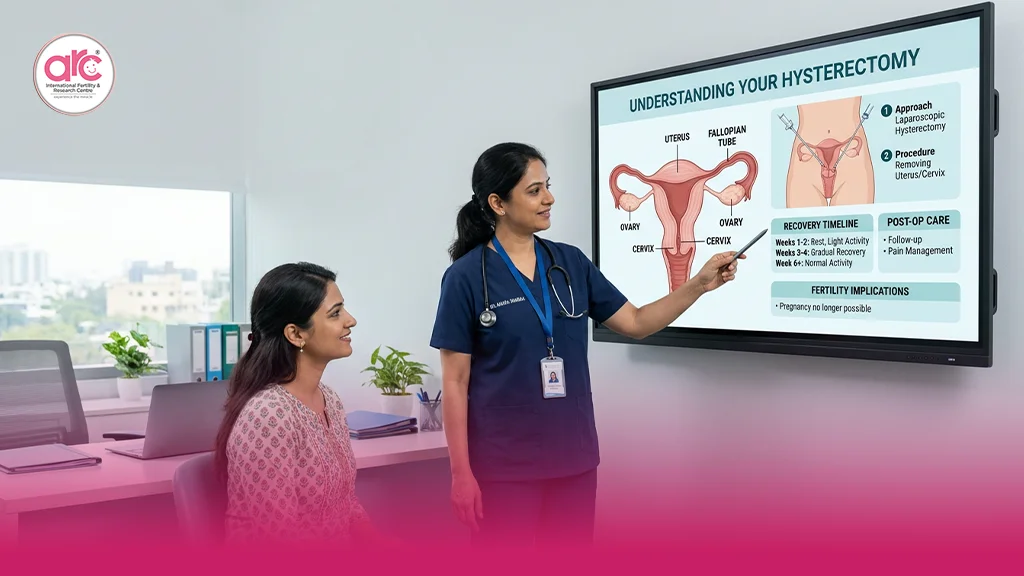
An open hysterectomy is a surgical procedure in which the uterus is removed through an incision made in the lower abdomen. It is also known as an abdominal hysterectomy.
Unlike minimally invasive approaches such as laparoscopic or robotic surgery, an open hysterectomy requires a larger incision, allowing the surgeon direct access to the pelvic organs.
Depending on the medical condition, the surgeon may remove the following:
- The uterus only
- The uterus and cervix
- The uterus and one or both ovaries
- The uterus, ovaries, and fallopian tubes
The extent of surgery depends entirely on the underlying diagnosis and treatment goals.
Why Might an Open Hysterectomy Be Recommended?
While many gynecological conditions can now be treated using minimally invasive techniques, open hysterectomy may still be recommended in certain situations.
Common reasons include:
Large Uterine Fibroids
Very large fibroids can distort the uterus and make minimally invasive surgery difficult or unsafe.
Severe Endometriosis
Advanced endometriosis may create extensive scar tissue, requiring better surgical visibility and access.
Gynecological Cancer
In some cases involving uterine, cervical, or ovarian cancer, open surgery may allow more comprehensive treatment.
Uncontrolled Heavy Bleeding
When other treatments have failed and bleeding significantly affects quality of life, hysterectomy may be considered.
Chronic Pelvic Pain
Certain women with severe symptoms that have not responded to medical management may be advised to consider surgical options.
The decision is never based on symptoms alone. Your age, future pregnancy plans, overall health, and diagnosis all influence the recommendation.
How Is an Open Hysterectomy Performed?
The procedure is usually performed under general anesthesia.
A surgeon makes an incision across the lower abdomen, often similar to a cesarean section scar, although sometimes a vertical incision may be required.
After carefully accessing the pelvic organs, the uterus is detached from surrounding tissues and blood vessels before being removed.
The incision is then closed with sutures or staples.
Most procedures take between one and three hours depending on complexity.
What Is Recovery Like?
Recovery after an open hysterectomy is generally longer than recovery from laparoscopic surgery.
Most women stay in the hospital for two to five days following surgery.
Common experiences during recovery include:
- Abdominal soreness
- Fatigue
- Mild swelling
- Temporary difficulty with movement
- Reduced energy levels
Many women begin walking within a day of surgery, but complete recovery often takes six to eight weeks.
During this period, doctors typically advise avoiding the following:
- Heavy lifting
- Intense exercise
- Sexual intercourse
- Driving for prolonged periods
Every recovery is different. Some women feel significantly better after a few weeks, while others need additional time before returning to normal activities.
What Are the Risks of an Open Hysterectomy?
Like any major surgery, an open hysterectomy carries potential risks.
These may include:
- Infection
- Bleeding
- Blood clots
- Injury to surrounding organs
- Anesthesia-related complications
- Delayed wound healing
Fortunately, serious complications are uncommon when surgery is performed by experienced specialists and appropriate post-operative care is followed.
Your doctor will explain both the benefits and risks based on your individual medical condition.
How Does an Open Hysterectomy Affect Fertility?
This is often the most emotionally significant question.
A hysterectomy removes the uterus, which means pregnancy is no longer possible afterward.
Even if the ovaries are preserved and continue producing hormones, the absence of the uterus prevents a pregnancy from developing.
For women who still hope to have children, it is essential to discuss fertility-preserving alternatives before surgery whenever possible.
In some situations, treatments such as myomectomy, hormonal management, fertility preservation, or assisted reproductive technologies may be explored before considering hysterectomy.
At ARC Fertility Hospitals, fertility goals are always part of treatment planning. Women facing complex gynecological conditions are encouraged to understand all available options before making permanent reproductive decisions.
Are There Alternatives to an Open Hysterectomy?
Depending on the diagnosis, alternatives may include:
- Medication
- Hormonal therapies
- Myomectomy for fibroids
- Endometrial ablation
- Laparoscopic surgery
- Robotic-assisted surgery
Not every woman is a candidate for these options, but discussing alternatives is an important part of informed care.
The best treatment depends on factors such as age, symptom severity, fertility goals, previous surgeries, and overall reproductive health.
When Should You Seek Specialist Advice?
If you have been advised to undergo a hysterectomy and are uncertain about the recommendation, obtaining a specialist opinion can be valuable.
You may benefit from further evaluation if you have:
- Large fibroids
- Severe endometriosis
- Recurrent pelvic pain
- Heavy menstrual bleeding
- Fertility concerns
- Previous unsuccessful treatments
A detailed assessment can help determine whether surgery is necessary, whether fertility preservation is possible, and what approach is most appropriate for your situation.
Women looking for a fertility hospital in Chennai often seek guidance not only on pregnancy treatment but also on preserving reproductive potential when gynecological surgery becomes necessary.
The Bottom Line
An open hysterectomy is a well-established surgical procedure used to treat a variety of serious gynecological conditions. While recovery takes longer than minimally invasive surgery, it remains an important and effective option in selected cases.
Because the procedure permanently ends the ability to carry a pregnancy, women who wish to have children should fully explore fertility-preserving options before moving forward.
At ARC Fertility Hospitals, recognized by many families as the best fertility hospital in Chennai, patient care begins with understanding individual goals, medical needs, and future reproductive plans. The right treatment is not simply about addressing symptoms; it is about helping women make informed decisions with confidence and clarity.