Overview
A simple 20-minute surgery could double your sperm count.
That sentence alone sounds exaggerated. Almost irresponsible.
And yet, for many men, it’s quietly true.
Varicocele is one of the most common, most underdiagnosed, and most misunderstood causes of male infertility. It’s also the leading cause of male infertility that is actually reversible.
The problem is not that varicoceles are rare.
The problem is that men don’t know they have one.
What a Varicocele Really Is
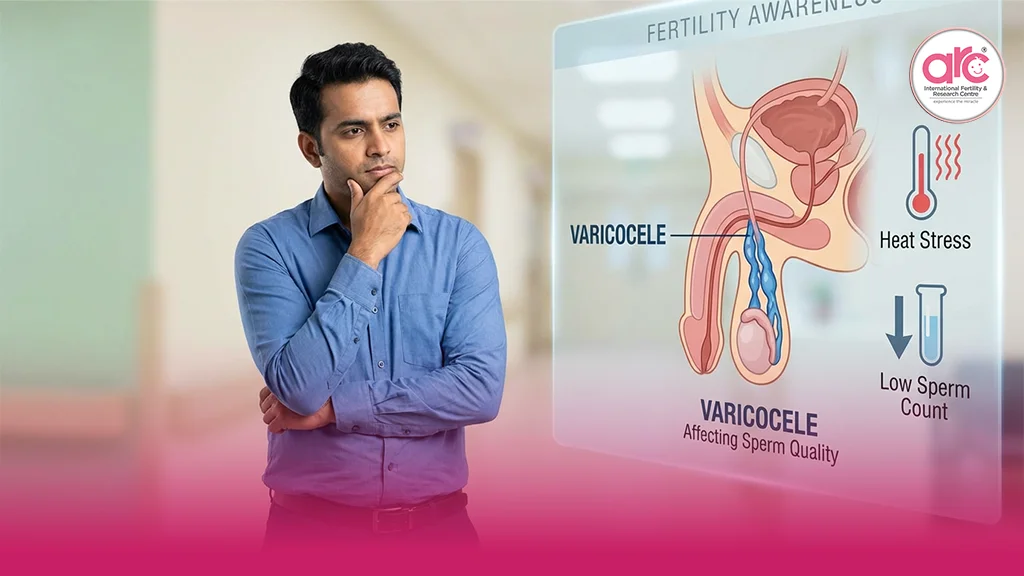
A varicocele is an enlargement of veins within the scrotum, similar to varicose veins in the legs. These veins are responsible for draining blood away from the testicles.
When they malfunction, blood pools.
Heat builds.
Oxygen flow drops.
And sperm production quietly suffers.
The testicles are designed to be slightly cooler than the rest of the body. Even a small, chronic increase in temperature can disrupt sperm count, motility, and DNA integrity.
This is why varicocele and infertility are so closely linked.
Why Most Men Don’t Know They Have One
Because varicoceles are sneaky.
Many men feel no pain.
No swelling they notice.
No obvious warning sign.
Some experience a dull ache, heaviness, or discomfort after standing for long periods. Others notice nothing at all. Fertility becomes the first place the problem shows up.
By the time a semen analysis reveals low count or poor motility, the varicocele may have been there for years.
At a fertility hospital in chennai, it’s not uncommon to see men shocked by the diagnosis. They came in expecting “weak sperm.” They leave realising there was a structural issue all along.
Symptoms That Are Easy to Miss
The symptoms of varicocele aren’t dramatic. That’s why they’re ignored.
A dragging sensation in the scrotum.
Discomfort that worsens by evening.
Visible veins that look like a “bag of worms” when standing.
Testicular size difference, especially on the left side.
And sometimes, nothing at all.
The absence of pain does not mean the absence of damage.
Why Varicocele Is the #1 Reversible Cause of Male Infertility
This is where the story changes from discouraging to hopeful.
Unlike genetic issues or age-related decline, a varicocele is a physical problem with a physical solution. When blood flow is corrected, the testicular environment improves.
Temperature normalises.
Oxygenation improves.
Sperm production often rebounds.
This is why varicoceles are considered the leading cause of male infertility that doctors can actually fix.
In men with low sperm count, including those diagnosed with conditions explained in Understanding Oligospermia, identifying and treating a varicocele can be the difference between needing advanced fertility treatment and conceiving naturally.
The 20-Minute Surgery No One Mentions Early Enough
Varicocele repair, also called varicocelectomy, is a minor surgical procedure. In experienced hands, it often takes less than half an hour.
No major incisions.
No prolonged hospital stay.
No dramatic recovery.
The goal is simple: block the faulty veins so blood is rerouted through healthy pathways.
And the results?
Studies show varicocele repair success rates are significant. Many men see improvements in sperm count, motility, and morphology within three to six months. In some cases, sperm counts double. In others, DNA quality improves enough to enhance fertility outcomes.
Not every man benefits equally. But for the right candidate, the impact can be life-changing.
Why This Option Is Often Missed
Because male fertility is often treated as a numbers problem, not a systems problem.
If the count is low, men are told to take supplements. If that doesn’t work, couples are pushed toward assisted reproduction. Structural issues like varicocele are sometimes skipped entirely, especially when men have no pain.
At the best fertility hospital in chennai, physical examination and targeted imaging are not optional add-ons. They’re foundational. Because treating symptoms without addressing causes is not treatment. It’s delay.
When Varicocele Repair Makes the Most Sense
Varicocele repair is most beneficial when:
- There is a clinically significant varicocele
- Semen parameters are abnormal
- The couple is struggling with infertility
- The female partner’s fertility is reasonably preserved
It’s less about age and more about opportunity. Correcting a reversible issue early can reduce the need for more invasive treatments later.
The Emotional Side Men Rarely Talk About
Men often carry fertility issues silently.
They blame stress.
They blame work.
They blame “bad luck.”
A varicocele diagnosis can feel oddly relieving. There’s finally a reason. Something tangible. Something fixable.
But it can also bring regret. Why didn’t I know earlier?
That silence around male reproductive health is part of the problem. Varicoceles aren’t rare. Talking about them is.
What Varicocele Repair Does Not Do
It doesn’t guarantee pregnancy.
It doesn’t override female fertility factors.
It doesn’t reverse time completely.
But it removes a known obstacle. And in fertility, removing even one obstacle can change the entire trajectory.
The Truth Men Need to Hear Earlier
If you’re struggling with fertility, a varicocele is not a minor finding. It’s not “just veins.” It’s a chronic stressor on sperm production that compounds over time.
Ignoring it doesn’t make it harmless.
Treating it doesn’t make you weak.
It makes you informed.
A simple procedure won’t solve every fertility challenge. But when the issue is varicocele, not addressing it is often the bigger risk.
Male fertility doesn’t fail loudly.
It fades quietly.