Overview
Let’s be honest.
Nobody really taught us how to choose a menstrual product.
You got your first period. Someone handed you a pad. And that was that.
For most women, the conversation stopped there. Same brand. Same product. Month after month. Year after year.
But the world of menstrual care has changed significantly. There are more options now than ever before and more importantly, there is growing awareness that what you use during your period is not just a comfort choice.
It can affect your vaginal health, your hormonal environment and in some cases, your fertility.
So, if you have never sat down and properly compared your options, this is that conversation.
First, Why does your choice of menstrual product even matter?
Your vagina has a naturally acidic environment. It maintains a pH between 3.8 and 4.5. This acidity is what keeps harmful bacteria out, supports healthy discharge and protects the conditions your reproductive system needs to function well.
Certain menstrual products depending on their material, chemical composition and how long they are worn can disrupt this balance. Some cause irritation. Some trap moisture and heat. Some introduce synthetic chemicals close to sensitive tissue.
None of this is talked about enough.
And as explored in depth in this guide on menstrual hygiene vs vaginal health and how pH affects conception, even small disruptions to vaginal pH can quietly affect the environment sperm need to travel and survive.
That makes your menstrual product choice worth thinking about, not just for comfort, but for your overall reproductive health.
Pads: The default option most women never question
Pads are external. They sit against the vulva and absorb menstrual blood as it leaves the body.
What works well? They are easy to use, widely available, no learning curve, good for overnight use and for days when flow is unpredictable.
What to watch? Most conventional pads are made from synthetic materials, bleached fibres and odour-neutralising chemicals. Worn for long hours, especially in India’s warm and humid climate, they create a moist, warm environment against sensitive skin.
This is where things become relevant beyond just comfort. Prolonged heat and moisture can disrupt the natural vaginal environment. Synthetic fragrances and chemicals in conventional pads have been linked to irritation, itching and in some cases, recurring infections.
Who do they work best for? Women who prefer external protection, women with heavier flow, those who are new to managing their periods or not comfortable with internal products.
What to look for? If pads are your preference, choosing organic cotton pads free from synthetic fragrance, chlorine bleaching and plastic top sheets is a meaningful upgrade. Your skin absorbs more than most people realise.
Menstrual cups: The learning curve worth taking
A menstrual cup is a small, flexible silicone cup inserted into the vaginal canal to collect blood rather than absorb it.
It sits below the cervix, creates a light seal and can be worn for up to 8 to 12 hours depending on your flow.
What works well? Cups are reusable. One cup can last 5 to 10 years with proper care, making them significantly more economical and environmentally friendly over time. They collect rather than absorb, which means they do not interfere with natural vaginal moisture or pH the way absorbent products can.
For women thinking about their vaginal health long-term, this distinction matters. Tampons and some pads absorb natural vaginal secretions along with menstrual blood. Cups do not.
What to watch? There is a real learning curve. Getting the fold right, inserting correctly and removing without spilling takes practice, usually two to three cycles. Women with a very low cervix or certain uterine conditions may need a specific cup size or shape.
Cups must be sterilised between cycles by boiling in water for 5 to 7 minutes. Skipping this step increases infection risk.
Who do they work best for? Women who are comfortable with their bodies, open to a short learning period and looking for a long-term, low-maintenance option. Active women and those who travel frequently tend to find cups particularly freeing.
Period underwear: The newest option and the most misunderstood
Period underwear looks like regular underwear. The difference is in the layers. They contain absorbent and moisture-wicking material built into the gusset that holds menstrual blood without leaking.
What works well? They are comfortable. There is nothing to insert, fold or track. You wear them the same way you wear regular underwear. For light to moderate flow days, many women find them genuinely comfortable and liberating.
They are also a strong backup option, worn alongside a cup or pad on heavier days for additional protection and peace of mind.
What to watch? Quality varies significantly between brands. Cheaper options may use synthetic materials and chemical treatments that sit against sensitive skin for hours. Always check the fabric composition before buying.
Period underwear needs to be rinsed in cold water immediately after removal and washed on a gentle cycle. Heat, tumble dryers or hot water degrade the absorbent layers quickly.
Who do they work best for? Women with light to moderate flow. Those with unpredictable spotting. Anyone who finds conventional products uncomfortable or irritating. Also excellent for teenagers just starting their periods, less intimidating, more comfortable.
How does your menstrual product choice connect to fertility?
This link does not get made often enough.
But it is a real one.
Your vaginal environment during your period influences the conditions your reproductive system returns to in the days that follow. Products that repeatedly cause irritation, disrupt pH or introduce chemicals near delicate tissue can contribute to a cycle of imbalance that affects the environment sperm need to survive and travel.
If you have been asking yourself whether your period habits could be playing a role in your fertility journey, the honest answer is, they might be. And this is explored in detail in how your period routine may be affecting your fertility, a read worth adding to your list if conception is on your mind.
The good news is this: small, consistent changes to the products you use can make a meaningful difference over time. You do not need a dramatic overhaul. You need better information and a few deliberate choices.
So, which one is actually right for you?
There is no single correct answer.
The right menstrual product is the one that fits your body, your lifestyle, your flow and your health priorities consistently and comfortably.
Here is a simple way to think about it:
Choose pads if you prefer external protection, are on a budget or are not yet comfortable with internal products, but switch to organic cotton wherever possible.
Choose a cup if you want a long-term option that works with your body’s natural chemistry rather than against it and you are willing to give it two to three cycles to get comfortable.
Choose period underwear if you want the simplest, most comfortable experience, especially on lighter days or as a backup to another product.
Mix and match because many women find that a combination works better than any single product alone.
When the conversation goes beyond products
Sometimes, period health points to something deeper.
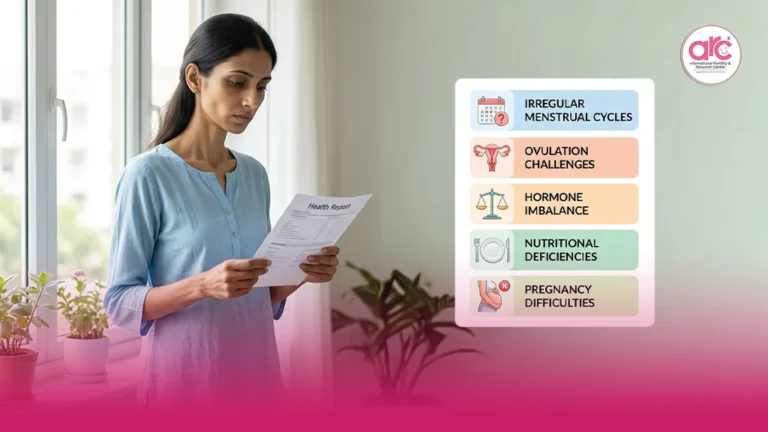
Heavy bleeding that soaks through products quickly. Cycles that are consistently irregular. Pain that makes any product uncomfortable to wear. These are signals your body is sending and they deserve more than a product switch.
At a dedicated fertility hospital in Chennai, the conversation about menstrual health goes well beyond hygiene products. Specialists evaluate what your cycle is telling you about your hormonal health, ovarian function and reproductive wellbeing and help you understand what is actually happening, not just how to manage symptoms month to month.
Because your period is not just something to get through.
It is a monthly report card on your reproductive health.
And at the best fertility hospital in Chennai, that report card is taken seriously, read carefully, evaluated thoroughly and responded to with a plan that is built around you.
The bottom line
Pads, Cups, Period underwear. Each has a place. None is perfect for everyone.
What matters most is that you are making an informed choice, one that considers not just convenience and cost, but what each product does in contact with your body over years of use.
Your menstrual health is part of your overall reproductive health.
Treat it that way.