Overview
Many couples searching online ask, “Can lack of sleep cause infertility, especially when pregnancy is taking longer than expected?”
You are eating healthier.
Tracking ovulation.
Taking supplements.
Trying to reduce stress.
Doing everything “right.”
But there is one thing many couples rarely think about while trying to conceive:
Sleep.
Or more specifically, not getting enough of it.
Most people associate poor sleep with tiredness, mood swings, poor concentration, or weight gain.
But fertility?
That often comes as a surprise.
So, can lack of sleep cause infertility?
The honest answer is possibly yes, but indirectly.
Poor sleep alone does not usually “cause infertility,” but it may quietly affect hormones and biological processes that support conception.
Let’s understand how.
Why Sleep Matters More Than You Think
According to the CDC, sleep plays an important role in overall physical and hormonal health
Sleep is much more than rest.
While you sleep, your body works behind the scenes to:
- Regulate hormones
- Restore energy
- Support immune function
- Repair tissues
- Maintain reproductive health
Think of sleep as the body’s natural reset system.
When sleep becomes poor or irregular over time, hormone balance may suffer, and fertility depends heavily on hormones functioning properly.
This is why specialists at a fertility hospital in Chennai often evaluate more than reproductive symptoms alone. Lifestyle factors such as sleep, stress, hormone balance, and overall health may all influence fertility outcomes.
Can Lack of Sleep Cause Infertility?
Many couples ask, “Does poor sleep affect fertility?”
Growing research suggests it may.
But there is an important distinction:
Lack of sleep does not automatically mean infertility.
Many people with sleep problems still conceive naturally.
However, chronic sleep deprivation may quietly interfere with reproductive health in ways that make conception more difficult.
Here is how.
1. Poor Sleep Can Disrupt Hormonal Balance
One of the biggest ways sleep affects fertility is through hormones.
Your body follows a circadian rhythm, an internal clock that regulates the following:
- Sleep cycles
- Hormone release
- Energy levels
- Reproductive function
Late nights, irregular schedules, excessive screen time, stress, or inconsistent sleep habits can disrupt this rhythm.
Why does that matter?
Because fertility hormones rely on balance.
Poor sleep may increase stress hormones like cortisol, which can indirectly influence reproductive hormones.
This may contribute to:
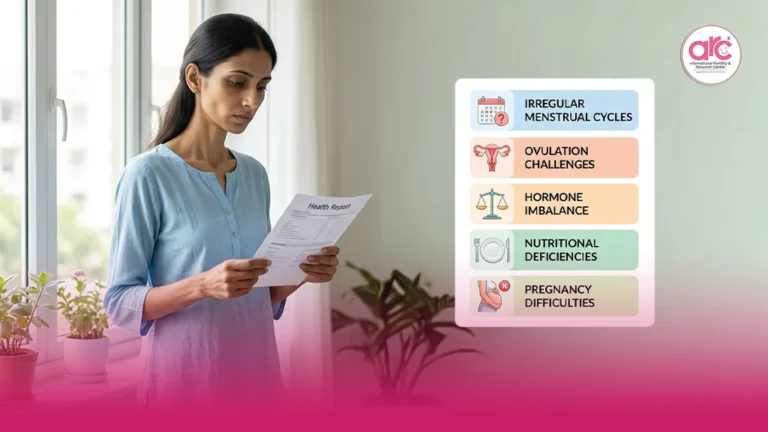
- Irregular menstrual cycles
- Delayed ovulation
- Hormonal imbalance
- Reduced sperm production
Over time, these disruptions may affect conception.
If you have been trying for several months without success, understanding when to seek fertility support can help avoid unnecessary delays.
2. How Sleep Affects Ovulation in Women
Many women wonder about how sleep affects ovulation.
Ovulation is the process where the ovary releases a mature egg for fertilization.
Without regular ovulation, pregnancy becomes difficult.
Poor sleep may sometimes interfere with hormone signals involved in ovulation, which can contribute to the following:
- Irregular periods
- Delayed ovulation
- Missed ovulation cycles
Women with hormonal conditions such as PCOS may especially notice symptoms worsening when sleep quality declines.
Although poor sleep alone may not directly stop ovulation, it may contribute to hormonal imbalance that affects fertility.
3. Can Poor Sleep Affect Sperm Count?
Fertility is not only about women.
Men’s reproductive health matters just as much.
Research suggests that poor sleep quality, insufficient sleep, and irregular sleep schedules may negatively affect sperm health.
This may include:
- Lower sperm count
- Reduced sperm motility (how sperm swim)
- Poor sperm quality
Why?
Because testosterone, a hormone important for sperm production, is closely linked to healthy sleep cycles.
Poor-quality sleep may interfere with this hormonal process.
Couples trying to conceive often focus heavily on female fertility, but improving male fertility matters too.
4. Poor Sleep Can Affect Intimacy Too
Trying to conceive can already feel emotionally exhausting.
Adding poor sleep into the mix may make things harder.
Sleep deprivation may affect:
- Energy levels
- Mood
- Emotional well-being
- Libido (sex drive)
This may naturally reduce intimacy frequency, particularly during fertile windows.
Many couples experience this quietly without realizing sleep may be playing a role.
How Much Sleep Is Ideal for Fertility?
While sleep alone may not explain infertility, people often wonder, can lack of sleep cause infertility if sleep problems continue for months?
There is no universal number.
But most adults benefit from around 7–9 hours of good-quality sleep per night.
And quality matters as much as quantity.
Even if you sleep for longer hours, frequent waking or poor-quality rest may prevent the body from fully recovering.
The goal is:
Consistent, restorative sleep.
Tips to Improve Sleep While Trying to Conceive
The good news?
Sleep habits are often manageable.
Prioritise Sleep
Treat sleep like nutrition and exercise.
If fertility is a priority, sleep deserves attention too.
Reduce Late-Night Screen Time
Too much screen exposure before bed may interfere with natural sleep signals.
Try reducing phone or screen use before sleeping.
Create a Realistic Sleep Routine
Choose a bedtime that works for your actual lifestyle.
Consistency matters more than perfection.
Manage Stress
Stress and poor sleep often affect each other.
Gentle movement, mindfulness, or speaking with fertility specialists may help.
Seek Help for Chronic Sleep Problems
Persistent insomnia, snoring, or poor sleep quality may sometimes require medical support.
The Final Word
So, can lack of sleep cause infertility? Not directly, but poor sleep may quietly influence fertility in several ways. through hormone balance, ovulation, sperm health, stress, and intimacy patterns, all of which affect conception.
The encouraging part?
Sleep is something you can improve.
Small lifestyle changes may positively support fertility more than many couples expect.
If pregnancy is taking longer than expected or concerns about fertility remain, consulting specialists at the best fertility hospital in Chennai can help uncover possible causes and guide you toward the right treatment plan.
Frequently Asked Questions
1. Can poor sleep affect ovulation?
Yes. Poor sleep may disrupt reproductive hormones, which can sometimes affect ovulation and menstrual regularity.
2. Does lack of sleep reduce sperm count?
Research suggests poor sleep quality may negatively affect sperm count, sperm movement, and overall semen quality.
3. How many hours should I sleep when trying to conceive?
Most adults benefit from 7–9 hours of good-quality sleep each night to support overall health and fertility.