If you are trying to conceive, even a small stain on your underwear can feel emotionally loaded. You may wonder, “Is this my period starting, or could it be implantation?” The honest answer is that implantation bleeding can be subtle, confusing, and easy to mistake for premenstrual spotting. But there are a few patterns that can help you understand what may be happening.
Implantation bleeding usually looks like very light spotting rather than a normal menstrual flow. It may be pale pink, light brown, rusty brown, or occasionally light red. It is often seen only when wiping, as a few drops on a pantyliner, or as a faint stain. It should not usually soak a pad, contain large clots, or become progressively heavier like a period.
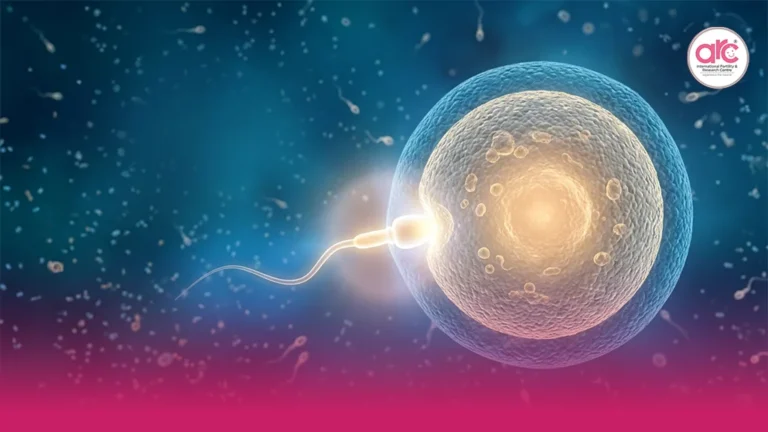
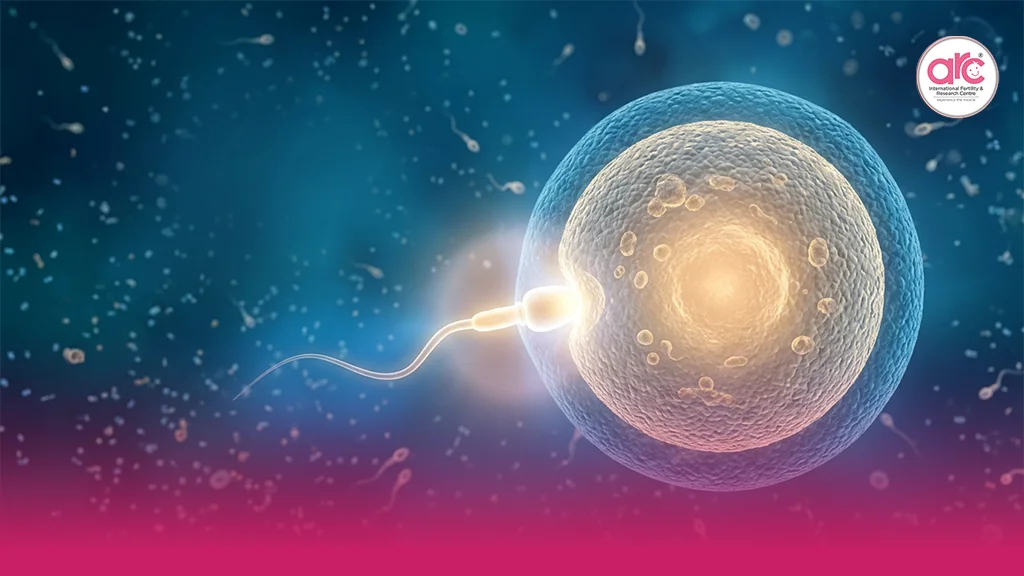
Medically, implantation bleeding is thought to occur when a fertilized embryo attaches to the lining of the uterus. This can disturb tiny blood vessels in the uterine lining. Not everyone experiences it, and not having implantation bleeding does not mean pregnancy has not occurred.
When does implantation bleeding happen?
Implantation generally happens about 6 to 12 days after ovulation. For many women with regular cycles, this can fall close to the expected period date, which is why the confusion is so common. If you have irregular cycles, polycystic ovary syndrome, delayed ovulation, or are undergoing fertility treatment, timing may be harder to judge without medical guidance.
In natural conception cycles, spotting around 7 to 10 days after ovulation may raise the possibility of implantation. In IVF cycles, patients often become especially alert to any spotting after embryo transfer. However, bleeding after IVF can happen for many reasons, including hormonal medications, cervical sensitivity after procedures, progesterone changes, or early pregnancy-related causes. So the appearance of spotting alone cannot confirm implantation.
What colour is implantation bleeding?
The colour can vary depending on how fresh the blood is and how long it takes to leave the body.
Light pink spotting
Pink spotting may appear when a very small amount of blood mixes with cervical mucus. Many women describe it as a faint pink smear while wiping rather than visible bleeding throughout the day.
Brown or rust-coloured discharge
Brown spotting is common because old blood darkens as it oxidizes. This may appear as light brown discharge, coffee-coloured staining, or a few rusty marks on underwear. Brown spotting can feel alarming, but it is not always a sign of miscarriage.
Light red bleeding
Some women notice light red spotting. The key difference is quantity and pattern. Implantation-type bleeding is typically scant and short-lived. If bleeding becomes bright red, heavier, painful, or clot-filled, it needs medical attention.
How long does implantation bleeding last?
Implantation bleeding often lasts a few hours to one or two days. It may come and go instead of flowing continuously. A normal period usually becomes heavier over the first day or two, while implantation spotting tends to stay light and fade.
If spotting continues for several days, turns into a heavy flow, or is accompanied by severe cramping, dizziness, shoulder pain, fever, or foul-smelling discharge, it should not be assumed to be implantation. These symptoms require prompt medical review.
Implantation bleeding vs period: how can you tell?
The difference is not always obvious, especially if your periods are naturally light. Still, some clues can help.
Amount: Implantation bleeding is usually only spotting. Period bleeding often requires pads, tampons, or menstrual cups.
Colour: Implantation spotting is often pink or brown. Period blood may start brown but usually becomes redder and heavier.
Duration: Implantation bleeding is usually shorter. Periods commonly last three to seven days.
Cramps: Mild pulling or light cramps can happen with implantation, but strong cramps are more typical of menstruation or another medical concern.
Flow pattern: Implantation spotting does not usually increase steadily. Period flow often builds, peaks, and then reduces.
If you are unsure whether the bleeding is normal, especially after a positive pregnancy test, this guide on early pregnancy bleeding and when to worry can help you understand when spotting may need urgent care.
Can implantation bleeding have clots?
Implantation bleeding usually does not contain clots. Clots generally suggest a heavier volume of bleeding than typical implantation spotting. Tiny dark specks may sometimes appear in old brown discharge, but visible clots, tissue-like material, or bleeding that fills a pad should be discussed with a doctor.
Can you have implantation bleeding with pain?
Some women describe mild cramps, a pulling sensation, or lower abdominal heaviness around implantation. These symptoms are usually gentle and temporary. Severe one-sided pain, fainting, shoulder-tip pain, or heavy bleeding can be warning signs of ectopic pregnancy or another urgent condition. Do not wait at home if these symptoms occur.
When should you take a pregnancy test?
It is natural to want to test immediately after spotting, but testing too early can lead to disappointment or confusion. Pregnancy tests detect hCG, a hormone that rises after implantation. For the most reliable result, test after your missed period or as advised by your fertility doctor.
If you are undergoing IVF, follow the clinic’s recommended beta-hCG blood test date. Home testing too early after trigger injections or embryo transfer can sometimes give misleading results. Waiting is emotionally difficult, but it avoids unnecessary anxiety from false positives or false negatives.
Why spotting may happen even if it is not implantation
Not all spotting before a period is implantation bleeding. It may happen because of hormonal fluctuations, low progesterone, ovulation-related spotting, cervical irritation after intercourse, vaginal infection, polyps, fibroids, or the beginning of a menstrual period. In fertility treatment cycles, medications and procedures can also make the cervix or uterine lining more sensitive.
This is why doctors do not diagnose pregnancy based only on spotting. They look at timing, symptoms, pregnancy test results, ultrasound findings when appropriate, cycle history, medications, and previous fertility concerns.
When should you consult a fertility specialist?
You should speak to a doctor if spotting is recurrent, if you have been trying to conceive for more than 12 months, if you are over 35 and have been trying for more than 6 months, or if you have irregular periods, known endometriosis, PCOS, repeated miscarriages, or previous ectopic pregnancy.
Fertility evaluation is not only about IVF. Often, the first step is understanding ovulation, egg reserve, sperm quality, uterine health, tubes, hormones, and cycle timing. Depending on the cause, treatment may include timed intercourse guidance, ovulation induction, IUI, IVF, or supportive care in early pregnancy.
For women who feel anxious about every symptom, consulting the Best Fertility Hospital in Chennai can provide clarity without panic. ARC Fertility Hospitals focuses on careful diagnosis, realistic counselling, and treatment planning based on each couple’s medical background. Many couples looking for a trusted Fertility Hospital in Chennai want more than procedures; they want someone to explain what is normal, what is not, and what the next step should be.
What to do if you notice possible implantation bleeding
First, note the date, colour, amount, and whether there is pain. Use a pantyliner rather than a tampon so you can observe the flow. Avoid self-starting hormonal tablets unless prescribed. If you are already on fertility medicines, do not stop them without medical advice.
Second, wait for the right testing window. A negative test before your missed period does not always rule out pregnancy. If your period does not arrive, repeat the test or ask for a beta-hCG blood test.
Third, listen to your body without blaming yourself. Spotting is not caused by walking, normal daily movement, or one cup of tea. Patients often worry that they “did something wrong,” but early pregnancy biology is much more complex than that.
The bottom line
So, what does implantation bleeding look like? Usually, it is light pink, brown, or faint red spotting that is much lighter than a period and lasts briefly. It may happen around the time your period is due, but it cannot confirm pregnancy by itself. The safest approach is to observe the pattern, test at the right time, and seek medical advice if bleeding is heavy, painful, prolonged, or emotionally worrying.
For women trying to conceive, small symptoms can carry big emotions. You deserve clear explanations, not guesswork. A fertility specialist can help you understand whether your bleeding is harmless spotting, a cycle change, an early pregnancy sign, or something that needs treatment.