When a couple has been trying to conceive for months without success, it’s natural to start looking for answers and often, for solutions that seem simple. One of the most common recommendations men come across is taking antioxidant supplements. A quick online search will bring up countless products claiming to improve sperm count, boost motility, and even increase the chances of pregnancy.
But do antioxidants really improve male fertility, or is it another health trend wrapped in hopeful marketing?
The truth is more balanced than many headlines suggest.
Antioxidants can play an important role in improving sperm health for some men, particularly when oxidative stress is affecting fertility. However, they are not a miracle cure, and they cannot replace a proper fertility evaluation. Understanding when antioxidants help—and when they don’t is essential for couples who want to make informed decisions rather than relying on guesswork.
Why Sperm Health Matters More Than You Think
Male fertility is often reduced to one number: sperm count.
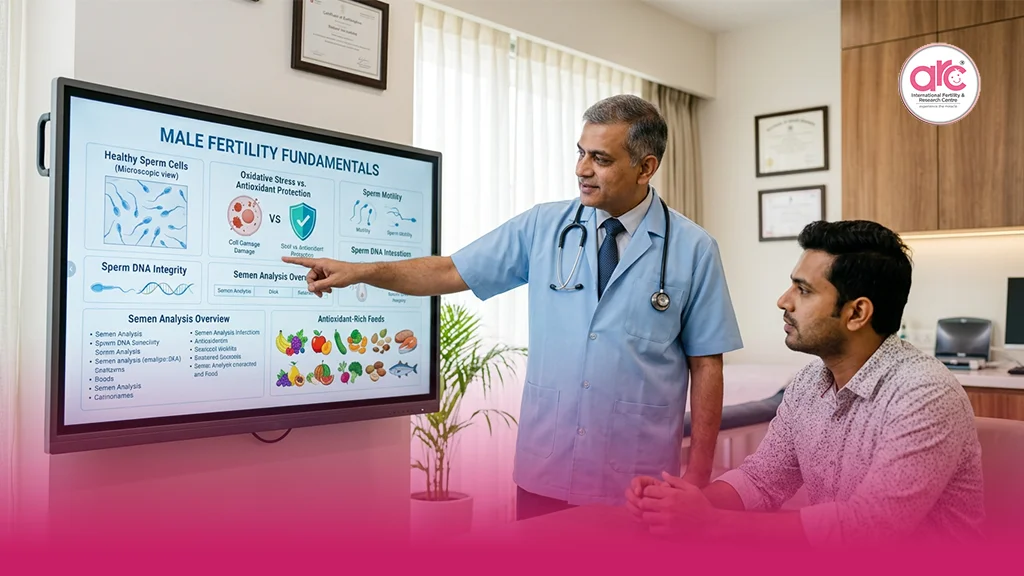
In reality, fertility depends on several factors working together, including:
- Sperm concentration
- Sperm motility (how well sperm swim)
- Sperm morphology (shape)
- DNA integrity
- Hormonal balance
- Overall reproductive health
Even if sperm count appears normal, poor sperm movement or DNA damage can reduce the chances of natural conception and may affect IVF outcomes.
This is why fertility specialists evaluate the entire semen analysis rather than focusing on a single parameter.
What Are Antioxidants?
Antioxidants are natural compounds that protect the body’s cells from damage caused by oxidative stress.
Oxidative stress occurs when harmful molecules known as free radicals outnumber the body’s natural defence mechanisms.
While oxidative stress affects every organ, sperm cells are particularly vulnerable because they have limited ability to repair themselves.
Excess oxidative stress may contribute to:
- Reduced sperm motility
- Lower sperm count
- Increased sperm DNA fragmentation
- Poor sperm function
By reducing oxidative damage, antioxidants may help create a healthier environment for sperm development.
Why Does Oxidative Stress Affect Fertility?
Healthy sperm require a delicate balance.
Too much oxidative stress can damage the sperm membrane, reduce energy production, and even alter the DNA carried by sperm.
Several lifestyle and medical factors increase oxidative stress, including:
- Smoking
- Excessive alcohol consumption
- Obesity
- Diabetes
- Poor diet
- Chronic stress
- Environmental pollution
- Varicocele
- Infections
- Increasing age
This is one reason fertility specialists ask detailed lifestyle questions during an evaluation. Identifying the underlying cause is often more valuable than immediately prescribing supplements.
Which Antioxidants Are Commonly Used?
Several antioxidants have been studied for male fertility.
Common examples include:
Coenzyme Q10 (CoQ10)
CoQ10 plays a role in cellular energy production. Some studies suggest it may improve sperm motility and overall semen quality in selected men.
Vitamin C
Vitamin C helps protect sperm from oxidative damage and supports immune health.
Vitamin E
Often used alongside Vitamin C, Vitamin E protects sperm cell membranes from free radical injury.
Zinc
Zinc contributes to normal testosterone production and healthy sperm development.
Selenium
Selenium supports sperm motility and antioxidant defence systems.
L-Carnitine
L-Carnitine is involved in energy metabolism and has shown potential benefits for sperm movement in certain patients.
It’s important to remember that these supplements are usually studied as part of comprehensive fertility care not as standalone treatments.
Do Scientific Studies Support Their Use?
The evidence is encouraging but not conclusive.
Some clinical studies have found improvements in:
- Sperm motility
- Sperm concentration
- DNA fragmentation
- Overall semen quality
However, research has produced mixed results regarding whether these improvements consistently lead to higher pregnancy or live birth rates.
This doesn’t mean antioxidants don’t work.
It means fertility is influenced by many factors beyond sperm quality, including female age, egg quality, ovulation, fallopian tube health, embryo development, and underlying medical conditions.
Improving one aspect of fertility does not automatically guarantee pregnancy.
Can Antioxidants Replace Fertility Treatment?
No.
This is perhaps the biggest misconception surrounding male fertility supplements.
If a man has severe male factor infertility, blocked reproductive ducts, azoospermia, significant hormonal disorders, or advanced sperm DNA damage, antioxidants alone are unlikely to solve the problem.
Similarly, if the female partner has blocked fallopian tubes, diminished ovarian reserve, or advanced maternal age, delaying appropriate fertility treatment while relying solely on supplements may reduce the chances of success.
At a specialised fertility hospital in Chennai, treatment decisions are based on the complete fertility picture not on supplement use alone.
How Long Do Antioxidants Take to Work?
Patience is important.
Sperm production takes approximately 74 to 90 days from development to ejaculation.
This means meaningful improvements in semen quality usually take at least three months, sometimes longer.
Stopping supplements after a few weeks because “nothing has changed” often leads to unrealistic expectations.
Consistency matters.
Lifestyle Changes Matter Just As Much
Supplements work best when combined with healthier habits.
Fertility specialists often recommend:
- Stopping smoking
- Reducing alcohol intake
- Maintaining a healthy weight
- Exercising regularly
- Getting adequate sleep
- Managing stress
- Treating infections promptly
- Avoiding excessive heat exposure to the testes
These lifestyle changes may have a greater long-term impact than supplements alone.
For many couples, addressing these factors early can improve both natural conception and fertility treatment outcomes.
When Should You See a Fertility Specialist?
If you’ve been trying to conceive for:
- 12 months (if the female partner is under 35), or
- 6 months (if she is 35 or older),
it’s time to seek a comprehensive fertility evaluation.
Men should also be assessed earlier if they have:
- Previous testicular surgery
- Varicocele
- Undescended testes
- Chemotherapy history
- Hormonal disorders
- Erectile or ejaculation problems
- Abnormal semen analysis
Rather than recommending supplements immediately, an experienced fertility specialist first identifies the cause of reduced fertility.
At ARC Fertility Hospitals, male fertility evaluation includes semen analysis, hormonal assessment when needed, physical examination, and advanced testing in selected cases. This ensures treatment is tailored to each couple rather than following a one-size-fits-all approach.
If you’re unsure when to seek professional help, you can also read our guide on how many months you should try before fertility treatment
If advanced treatment becomes necessary, understanding the IVF treatment process can help you prepare with confidence
The Bottom Line
The World Health Organization (WHO) recognizes infertility as a significant global health issue, reinforcing the importance of early diagnosis and evidence-based fertility care
So, do antioxidants really improve male fertility?
For some men, yes.
Antioxidants may improve sperm motility, reduce oxidative stress, and support healthier sperm production particularly when oxidative damage contributes to infertility. However, they are not a cure for every fertility problem, nor should they replace a thorough medical evaluation.
The most effective fertility plan combines accurate diagnosis, evidence-based treatment, healthy lifestyle changes, and realistic expectations.
If you and your partner have been trying to conceive without success, don’t rely solely on supplements or internet advice. A timely evaluation at the best Fertility Hospital in Chennai can identify the underlying cause and help you choose the treatment pathway that offers the greatest chance of building your family.
FAQ Schema
Do antioxidants improve male fertility?
Antioxidants may improve sperm quality, motility, and reduce oxidative stress in some men. However, they are not a guaranteed treatment for infertility and should be used under medical guidance.
Which antioxidants are best for sperm health?
Common antioxidants studied for male fertility include Coenzyme Q10 (CoQ10), Vitamin C, Vitamin E, Zinc, Selenium, and L-Carnitine. The right supplement depends on the underlying cause of infertility.
How long does it take for antioxidants to improve sperm quality?
Because sperm production takes around 74–90 days, noticeable improvements may take 2–3 months or longer with consistent use and healthy lifestyle changes.
Can antioxidants replace IVF or fertility treatment?
No. Antioxidants may support sperm health but cannot treat conditions such as blocked reproductive ducts, severe male factor infertility, or female fertility problems. A fertility specialist can recommend the most appropriate treatment.