
Overview
Nobody expects the diagnosis.
It was week 27. The routine glucose tolerance test was taken. A number that came higher than it should.
“Gestational diabetes mellitus (GDM)”
For most women, this is the moment a pregnancy that felt straightforward becomes suddenly more complex. New monitoring, dietary changes and more appointments. A condition that affects not just the mother’s blood sugar but the baby’s growth, weight and long-term metabolic health.
What makes gestational diabetes particularly relevant from a dietary perspective is this: what you eat during pregnancy directly influences whether blood sugar stays controlled or whether it spikes repeatedly in ways that create risk for both you and your baby.
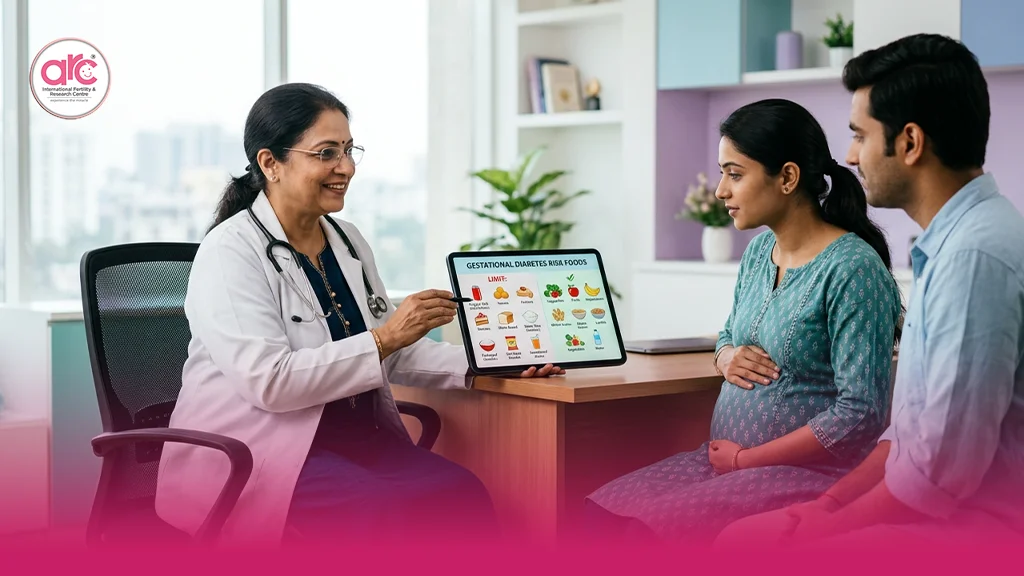
Here are 5 foods that spike gestational diabetes risks, some expected, some genuinely surprising and what to replace them with, in a South Indian kitchen.
Why Food Choices Matter So Specifically in Gestational Diabetes?
Gestational diabetes develops when the hormones of pregnancy, particularly human placental lactogen, interfere with the body’s ability to use insulin effectively. The result is a form of insulin resistance that is specific to pregnancy and resolves in most women after delivery.
But during pregnancy, uncontrolled blood sugar has real consequences. GDM is associated with increased risk of cesarean section, macrosomia (babies born significantly larger than average), gestational hypertension and long-term risk of type 2 diabetes for the mother.
A 2025 network meta-analysis of randomised controlled trials confirmed that dietary interventions are critical for managing GDM, with primary outcomes including fasting blood glucose, post-meal blood glucose and insulin resistance, all responding meaningfully to what pregnant women eat.
The foods that spike blood sugar fastest are not just about sugar content in isolation. They are about glycaemic index, meal composition and how quickly carbohydrates enter the bloodstream.
Food 1: White Rice in Large Quantities
This is the most difficult conversation to have in a South Indian context, because white rice is not the enemy, but quantity and preparation method change its metabolic impact significantly.
White rice has a glycaemic index of 72 to 83, classified as high GI. When eaten in large portions without adequate protein, fat or fibre alongside it, it causes a rapid and significant post-meal blood sugar spike.
The 2025 Dietary Guidelines Advisory Committee systematic review found that, “Dietary patterns during pregnancy characterised by higher intakes of whole grains and lower intakes of refined grains were associated with reduced gestational diabetes risk”.
The practical solution at ARC: Reduce white rice portion size to one cup cooked per meal. Replace one daily serving with small millet, ragi or brown rice. Eat protein (dal, curd, fish) before the rice, not alongside it. This sequencing strategy, confirmed in a 2025 Chennai-based clinical trial, measurably reduces post-meal glucose spikes.
Food 2: Sugar-Sweetened Beverages and Packaged Fruit Juice
This is the category with the clearest, most consistent research signal across all GDM studies.
Women of childbearing age are recommended to reduce red meat and sugar-sweetened beverage intake to lower the risk of GDM, according to the 2024 EAT-Lancet dietary review for pregnancy.
Packaged fruit juice, even varieties labelled as “no added sugar”, concentrates natural sugars without the fibre that slows their absorption in the whole fruit. A glass of packaged mango juice delivers the sugar of 3-4 mangoes with none of the fibre that would otherwise blunt the glucose response.
Tender coconut water (a staple in Chennai) is a significantly better hydration option than packaged juice during pregnancy. Its natural electrolytes do not carry the same glycaemic load as concentrated fruit juice.
Replace packaged juice entirely. Drink whole fruit juice instead, such as guava, papaya and apple, where fibre is intact and glucose absorption is naturally slower.
Food 3: Maida-Based Breads, Biscuits and Bakery Items
Refined flour (maida) has a glycaemic index similar to white sugar. Products made with it (white bread, biscuits, cakes, rusk) digest rapidly and deliver glucose into the bloodstream with very little resistance.
For a woman with gestational diabetes or at elevated GDM risk, a breakfast of white bread with butter and a biscuit with chai is among the highest blood-sugar-spiking meal combinations possible.
The pattern that works better: Multigrain roti or oats for breakfast, with eggs or a protein source, rather than any maida-based option. A single whole grain roti with dal and vegetables creates a significantly slower glucose curve than two slices of white bread.
Food 4: Ripe Tropical Fruits in Excess
This is the food category that surprises pregnant women the most.
Fruit is healthy. But during gestational diabetes management, the type of fruit and the quantity consumed matter significantly.
Ripe mangoes, bananas, chikoo, jackfruit and grapes, all carry high sugar loads relative to their fibre content, particularly when eaten ripe and in large amounts. A large ripe mango consumed as an afternoon snack can spike blood sugar as effectively as a dessert.
A systematic review and meta-analysis found that total fruit consumption was associated with a lower risk of GDM overall, but fruit juice intake showed no benefit and high-sugar tropical fruit intake was not included in the protective effect.
The distinction is simple: Whole fruit with high fibre is protective. High-sugar fruit eaten in large portions or juiced removes that protection. During gestational diabetes management, limit mango to a small portion, avoid ripe banana as a daily snack and choose guava, papaya or citrus instead.
Food 5: Processed and Red Meat
This is the food category with the clearest long-term GDM association in the research literature.
Dietary patterns characterised by lower intakes of red and processed meat alongside higher intakes of vegetables, legumes, whole grains and unsaturated fats are associated with reduced gestational diabetes risk, according to the 2025 USDA systematic review on dietary patterns and GDM.
Processed meats (sausages, packaged chicken nuggets, salami, deli meats), combine saturated fat with preservatives and often added sugar in their preparation. This combination promotes insulin resistance through pathways separate from simple glycaemic loading.
Red meat consumed regularly, not occasionally, has been associated with increased inflammatory markers that worsen insulin sensitivity during pregnancy. The substitution that works: Lean chicken, fish, eggs and plant protein sources like lentils and tofu for the majority of protein intake, with red meat limited to once or twice weekly maximum.
What to Eat Instead? The Practical Framework at ARC
Managing gestational diabetes through food does not mean eliminating everything enjoyable. It means building meals around a simple framework that every South Indian kitchen already supports:
- Protein first: Eat dal, curd, eggs or fish before the grain portion of every meal
- Fibre with every plate: Vegetables, leafy greens, legumes at every meal
- Grain swaps : Small millet, ragi or brown rice instead of white rice for at least one daily meal
- Snack choices: Roasted groundnuts, boiled eggs, curd or a handful of seeds rather than biscuits or packaged snacks
- Water and coconut water: Instead of any packaged juice or sweetened beverage
Understanding what to avoid in the first trimester before GDM screening is also important. Our guide on foods to avoid in the first trimester covers the broader first-trimester food safety picture that complements GDM management in later pregnancy.
And for a complete prenatal care framework that integrates dietary guidance into your month-by-month schedule, our guide on 10 essential prenatal care tips for a healthy pregnancy covers what to track, when and why across all three trimesters.
According to the American Diabetes Association’s 2025 Standards of Care in Diabetes, medical nutrition therapy from a registered dietitian is recommended for all women with gestational diabetes, with individualised carbohydrate distribution across meals as the most effective dietary approach to glycaemic control during pregnancy.
At a dedicated fertility hospital in Chennai, gestational diabetes monitoring and dietary guidance at ARC is integrated into antenatal care, not a separate concern handled elsewhere, but part of the continuous pregnancy monitoring that begins at the first scan and continues through to delivery.
At the best fertility hospital in Chennai, ARC approaches every gestational diabetes diagnosis with the clinical seriousness it deserves. Personalised dietary advice, blood sugar monitoring, growth scans and a birth plan that accounts for the baby’s size and the mother’s glucose control through the final weeks of pregnancy.
Final Thoughts
Gestational diabetes is not a failure of willpower.
It is a hormonal shift that pregnancy creates and one that responds powerfully to the right food choices, made consistently.
Start with what is on your plate.
The rest follows.
Frequently Asked Questions (FAQs)
Q1. Can I eat rice at all, if I have gestational diabetes?
Yes, but portion size and meal composition matter. One cup of cooked rice eaten after protein and vegetables creates a much smaller blood sugar spike than the same rice eaten first or in a large portion. Replacing one daily serving with millet or ragi is a practical and effective swap.
Q2. Is fruit juice safe during gestational diabetes?
No, packaged fruit juice concentrates sugar without fibre, causing rapid blood sugar spikes. Whole fruit with intact fibre is significantly better. Tender coconut water is a safe, lower-sugar hydration choice during pregnancy.
Q3. When is the gestational diabetes test done during pregnancy?
The oral glucose tolerance test (OGTT), is typically done between weeks 24 and 28 of pregnancy. Women with risk factors such as PCOS, family history of diabetes or previous GDM may be tested earlier in the first trimester.
Q4. Does gestational diabetes affect the baby?
Yes, uncontrolled GDM is associated with macrosomia (larger than average baby), increased risk of cesarean delivery, neonatal hypoglycaemia and long-term risk of obesity and diabetes in the child. Good blood sugar control throughout pregnancy significantly reduces these risks.
Q5. Does gestational diabetes go away after delivery?
For most women, blood sugar returns to normal after delivery. However, women who have had GDM carry a significantly higher lifetime risk of developing type 2 diabetes and should have a glucose tolerance test six to twelve weeks after delivery and annual monitoring thereafter.