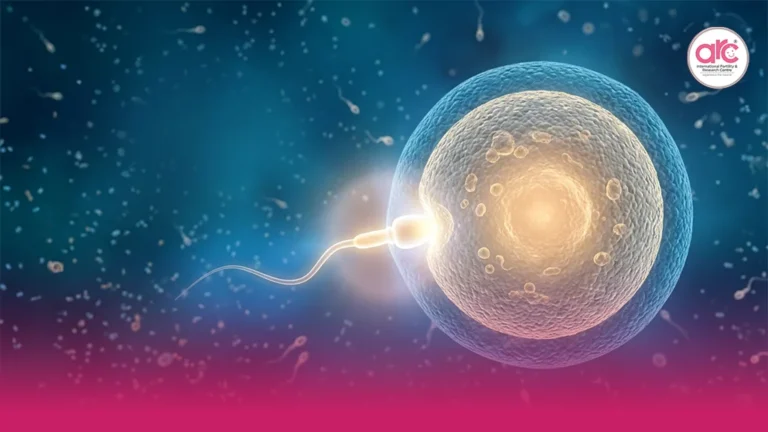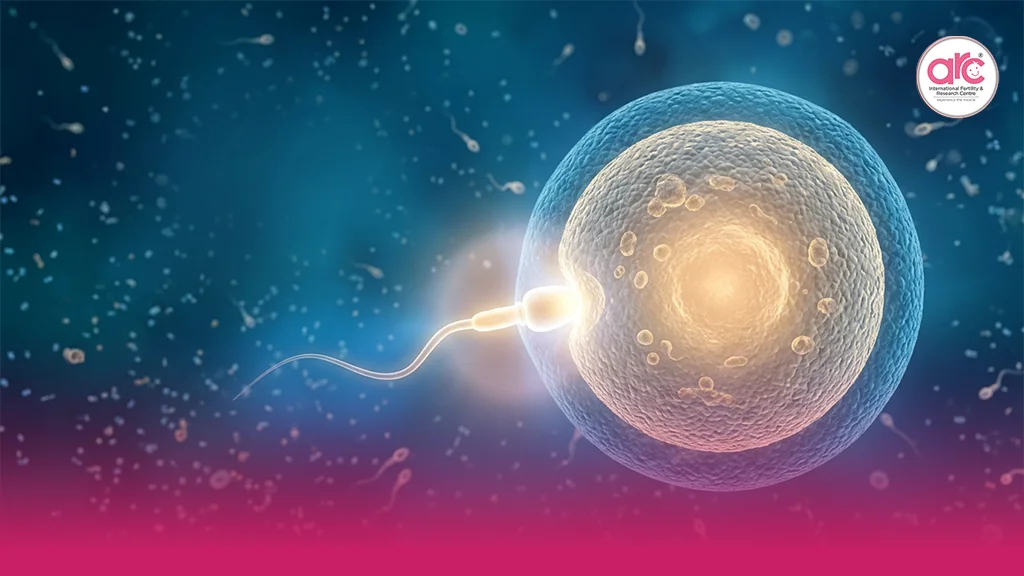
If you are trying to conceive and notice a positive ovulation test much earlier than expected, it is natural to wonder, can you get pregnant if you ovulate early in your cycle? The answer is yes. Early ovulation does not automatically mean that pregnancy is unlikely or that something is wrong with your fertility.
What matters most is whether a healthy egg is released, whether sperm are present around the fertile window, and whether the uterus and reproductive system can support implantation and pregnancy.
The confusion often comes from the idea that ovulation must happen on day 14. In reality, ovulation timing varies between women and can even vary from one cycle to another. If you ovulate earlier, your fertile window simply moves earlier as well.
What Is Early Ovulation?
Ovulation is the release of a mature egg from an ovary. In a textbook 28-day menstrual cycle, ovulation is often described as happening around day 14. But this is only an average, not a rule that applies to every woman.
Some women naturally have shorter menstrual cycles and may ovulate around day 9, 10, or 11. Others may ovulate later. The important point is that ovulation is influenced by the length of the follicular phase, which is the first part of the menstrual cycle.
For example, a woman with a 24-day cycle may naturally ovulate earlier than someone with a 32-day cycle. If her follicle develops normally, the egg is mature, the uterine lining is appropriate, and the luteal phase is adequate, early ovulation may simply be part of her normal cycle pattern.
So, early ovulation does not automatically mean infertility.
Can You Get Pregnant If You Ovulate Early?
Yes, you can get pregnant if you ovulate early.
Pregnancy is possible when viable sperm are present around the time the egg is released. Sperm can survive for several days in favourable cervical mucus, while the egg remains fertilisable for a relatively short period after ovulation.
This means intercourse does not have to happen exactly on the day of ovulation.
For example, if you ovulate on cycle day 9, intercourse on days 5, 6, 7, 8, or 9 may potentially lead to pregnancy. This is why identifying the fertile window is more useful than relying on a fixed calendar date.
The challenge for women with early ovulation is often timing rather than fertility itself. If you assume that ovulation will happen around day 14 and only start having intercourse around days 11 or 12, you may miss some of your most fertile days.
Why Does Early Ovulation Happen?
Early ovulation is not always a sign of a medical problem. Some women simply have a shorter follicular phase.
However, repeated changes in ovulation timing can sometimes be associated with hormonal or reproductive factors. These may include:
- Naturally short menstrual cycles
- Changes in sleep or stress
- Significant weight changes
- Thyroid problems
- Changes in prolactin levels
- Hormonal changes after stopping contraception
- Perimenopausal changes
- Certain ovarian or hormonal conditions
- Reduced ovarian reserve in some women
One early ovulation cycle by itself usually does not tell you much about your fertility. so visit a best fertility hospital in chennai. What matters more is whether the pattern keeps happening and whether you are having difficulty conceiving.
Does Early Ovulation Mean Poor Egg Quality?
Not necessarily.
Ovulation timing and egg quality are two different issues. A woman can ovulate early and still release a healthy, mature egg capable of fertilisation.
However, if ovulation consistently occurs very early, a fertility specialist may want to understand why. The question is not simply, “What day did you ovulate?” The more useful questions are:
Was the dominant follicle mature?
Were hormone levels appropriate?
Was the uterine lining developing adequately?
Is ovulation occurring consistently?
What is your ovarian reserve?
Are there other fertility factors affecting conception?
This is particularly important if early ovulation is accompanied by very short cycles or difficulty becoming pregnant.
Age also becomes relevant. As ovarian reserve changes with age, menstrual cycles can become shorter in some women. This does not mean that pregnancy is impossible, but it may be a reason to seek fertility advice sooner rather than waiting many months.
How Do You Know If You Are Ovulating Early?
Calendar-based fertility apps can estimate ovulation, but they cannot actually see whether an egg has been released. If your cycles are shorter than average, an app may predict ovulation later than your body actually ovulates.
You can look for several fertility signs.
Ovulation predictor kits
Ovulation predictor kits detect the rise in luteinising hormone, or LH, that usually occurs before ovulation. A positive result suggests that ovulation may be approaching.
However, an LH surge does not always prove that the egg was successfully released. This distinction can be important when cycles are irregular or conception has been delayed.
Cervical mucus
Clear, slippery, stretchy cervical mucus is commonly associated with the fertile window. If you notice this type of mucus soon after your period, it may be a useful indication that your fertile days are arriving earlier than expected.
Basal body temperature
A sustained rise in basal body temperature can help identify that ovulation has already occurred. It is useful for understanding patterns over several cycles, although it does not predict ovulation in advance.
Ultrasound monitoring
For women who need more precise information, follicle monitoring through ultrasound can allow a fertility specialist to follow follicular growth and assess ovulation more directly.
If you are repeatedly getting confusing ovulation results, clinical confirmation may be more useful than continuing to interpret home tests alone.
How Should You Time Intercourse If You Ovulate Early?
If you suspect that you ovulate early, start tracking earlier in your cycle rather than waiting for the middle of the month.
Having intercourse every one to two days during the fertile window can help ensure that sperm are available when ovulation occurs. This approach can be less stressful than trying to identify one exact “perfect” day.
For example, if you usually have a 24-day cycle and suspect ovulation around day 10, you may want to begin paying attention to fertile signs soon after your period ends.
Cervical mucus, ovulation tests, and your previous cycle patterns can help you identify when your fertile window may be approaching.
The goal is not to become obsessed with testing. Fertility tracking should give you useful information, not create another source of anxiety.
Can Early Ovulation Affect Implantation?
Early ovulation itself does not necessarily prevent implantation.
After ovulation and fertilisation, the developing embryo travels through the fallopian tube before reaching the uterus. Implantation then depends on several factors, including embryo development and the readiness of the uterine lining.
If you are worried that ordinary activities after ovulation could interfere with implantation, it is important not to place unnecessary blame on yourself. Normal daily movement, sleeping positions, or routine activities generally do not determine whether an embryo implants.
The more important questions involve ovarian function, embryo quality, uterine health, hormonal support, and other individual fertility factors.
When Should Early Ovulation Be Evaluated?
Early ovulation deserves closer attention when it becomes a repeated pattern, particularly if your menstrual cycles are consistently very short.
You should consider speaking with a fertility specialist if:
- Your cycles are consistently shorter than 21 days
- Ovulation appears to happen unusually early every cycle
- Your periods have recently become much shorter
- You have irregular or unpredictable cycles
- You have known PCOS, thyroid problems, or endometriosis
- You have severe period pain
- You have been trying to conceive without success
- You are concerned about declining ovarian reserve
- Your partner has known sperm-related concerns
For women under 35, fertility evaluation is generally considered after 12 months of regular attempts without pregnancy. If you are 35 or older, seeking evaluation after six months is generally appropriate, with earlier assessment reasonable when there are known fertility concerns.
What Will a Fertility Specialist Check?
A fertility consultation does not mean that you will automatically need IVF.
The first step is understanding what is actually happening in your reproductive system. Depending on your history, your doctor may assess ovarian reserve, follicular development, ovulation, hormone levels, the uterus, fallopian tubes, and the male partner’s sperm parameters.
This is important because early ovulation may be completely normal for one woman but may require investigation in another.
At ARC Fertility Hospital in Chennai, the approach is to look at fertility as a couple rather than focusing only on the woman’s ovulation day. If treatment is needed, options can range from cycle monitoring and timed intercourse to ovulation-related treatment, IUI, or IVF depending on the underlying diagnosis.
For couples who ultimately need assisted reproduction, understanding the treatment process beforehand can also make decisions less overwhelming. ARC’s fertility resources include information on how many months to try before fertility treatment and the IVF treatment process in Chennai.
The Bottom Line
Can you get pregnant if you ovulate early? Yes.
Early ovulation does not automatically mean poor fertility, poor egg quality, or a reduced chance of pregnancy. If sperm are present during the fertile window and other reproductive factors are healthy, conception can occur.
The main issue is often timing. If you ovulate earlier than expected, your fertile window also occurs earlier. Tracking your cycle from the beginning, paying attention to cervical mucus, using ovulation tests appropriately, and seeking clinical confirmation when necessary can help you understand your individual pattern.
If early ovulation happens repeatedly or pregnancy is taking longer than expected, do not rely only on calendar predictions. A fertility evaluation can help determine whether early ovulation is simply your natural cycle pattern or whether there is an underlying hormonal or reproductive factor worth addressing.
Your cycle does not have to follow the textbook to be fertile. What matters is understanding your cycle and knowing when professional guidance can give you a clearer path forward.