Does Raising Your Hips After Sex Help You Get Pregnant?
It is one of the most common pieces of advice women hear when they are trying to conceive: “Lie down and raise your hips after sex.” Some women place a pillow under the pelvis, some keep their legs against the wall, and some stay completely still for 20 to 30 minutes, hoping gravity will help sperm reach the egg.
So, does raising your hips after sex help you get pregnant? The honest answer is: it is unlikely to make a meaningful difference for most couples. It may not hurt if it feels comfortable, but it is not a proven fertility method. Pregnancy depends far more on ovulation timing, sperm quality, fallopian tube health, cervical mucus, age, and overall reproductive health than on body position after intercourse.
Still, the question is understandable. When you are trying for a baby, every small action can feel important. Many women wonder if they are “doing something wrong” by getting up too soon, using the bathroom, or not lying in a particular position. Let’s look at what actually happens after sex, what you can realistically do to support conception, and when it may be time to speak with a fertility specialist.
What Happens to Sperm After Sex?
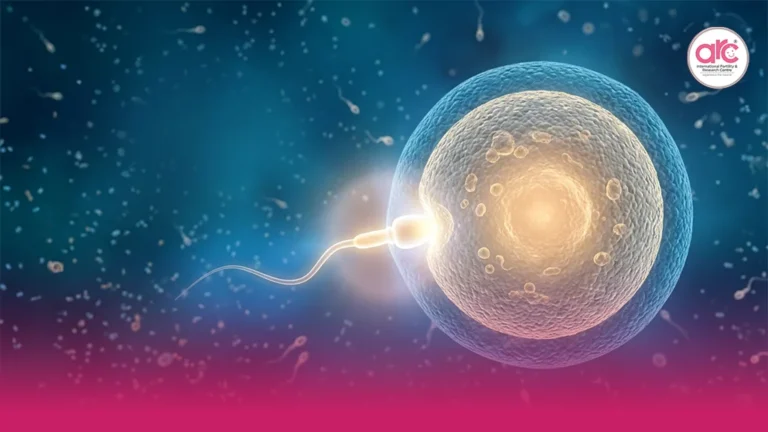
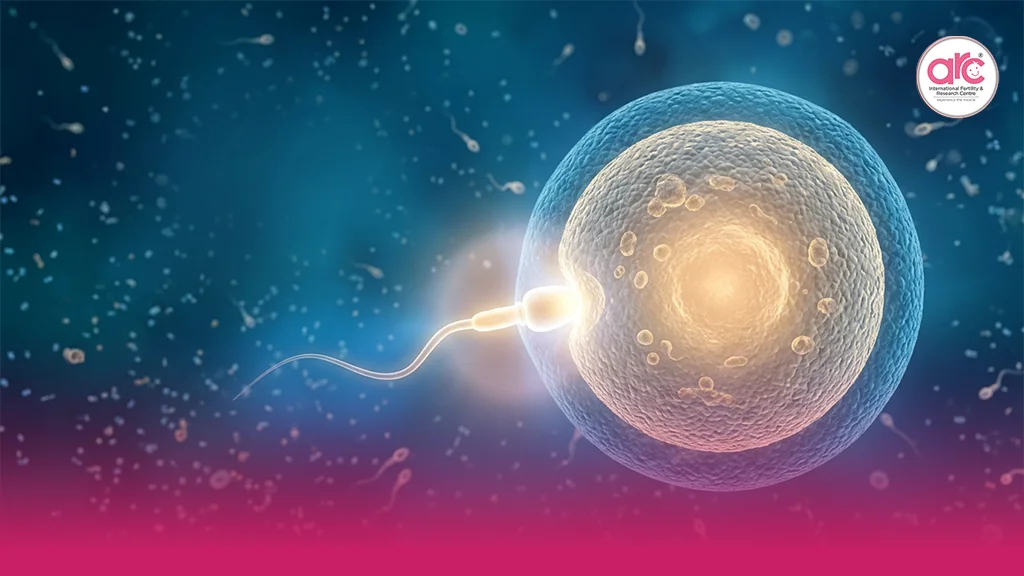
After ejaculation, semen is deposited in the vagina, usually close to the cervix. Within minutes, healthy sperm begin moving through the cervical mucus and into the uterus. From there, they travel toward the fallopian tubes, where fertilisation can happen if an egg has been released.
This movement is not mainly controlled by gravity. Sperm are motile cells, meaning they are designed to swim. The uterus and cervix also play an active role by creating an environment that supports sperm movement around the fertile window. During ovulation, cervical mucus becomes thinner, stretchier, and more sperm-friendly, helping sperm survive and travel.
This is why some semen may leak out after intercourse, but that does not mean all sperm have been lost. Leakage is normal. Semen contains fluid as well as sperm, and much of the fluid may come out of the vagina after sex. The sperm that are capable of moving toward the cervix can begin that journey quickly.
Does Lying Down After Sex Help?
For natural conception, there is no strong evidence that raising the hips improves pregnancy rates. Lying down for a short time after intercourse is fine if it helps you feel relaxed, but keeping your pelvis elevated for long periods is not necessary.
Some women confuse this with advice given after certain fertility procedures. For example, after intrauterine insemination, or IUI, clinics may ask patients to rest briefly. But IUI is different from intercourse because washed sperm are placed directly inside the uterus. Even then, prolonged bed rest is not usually required.
If you want a practical approach, lying comfortably for 5 to 10 minutes after sex is reasonable. But if you need to get up, use the toilet, shower, or move around, you have not ruined your chances. Conception is not that fragile.
What Matters More Than Raising Your Hips?
1. Timing Sex Around Ovulation
The most important factor is whether intercourse happens during the fertile window. This is usually the five days before ovulation and the day of ovulation itself. Sperm can survive inside the female reproductive tract for up to several days under favourable conditions, while the egg usually survives for a much shorter time after release.
For many couples, having sex every one to two days during the fertile window is more useful than focusing on post-sex positions. If your cycles are regular, ovulation often occurs about 14 days before the next period, not necessarily on day 14 of the cycle. Ovulation predictor kits, cycle tracking, changes in cervical mucus, and medical monitoring can help identify this window more accurately.
2. Egg Quality and Age
Age is one of the strongest influences on female fertility. Egg number and egg quality gradually decline with time, especially after the mid-30s. This does not mean pregnancy is impossible, but it may take longer, and the risk of miscarriage or chromosomal abnormalities may increase.
If you are under 35 and have been trying for 12 months without success, or over 35 and have been trying for 6 months, it is sensible to seek a fertility evaluation. Women with irregular periods, known PCOS, endometriosis, previous pelvic infection, fibroids, or a history of miscarriage should consider consulting earlier.
3. Sperm Health
Fertility is not only a female issue. Male factors contribute to a significant number of conception difficulties. Sperm count, movement, shape, and DNA quality can all affect the chance of pregnancy. A semen analysis is a simple and important test when a couple has been trying without success.
Sometimes, past infections or childhood illnesses may also be part of the fertility history. For example, couples may benefit from understanding how childhood mumps and fertility can be connected in some men, especially if there were complications involving the testes.
4. Fallopian Tube and Uterine Health
Even if ovulation and sperm parameters are normal, pregnancy may not occur if the fallopian tubes are blocked or if the uterine cavity has concerns such as polyps, adhesions, or certain fibroids. Fertilisation usually happens in the fallopian tube, so open tubes are essential for natural conception.
Doctors may recommend tests such as ultrasound, hormone evaluation, semen analysis, and tubal patency testing depending on the couple’s history. At ARC Fertility Hospitals, fertility evaluation is approached step by step, so couples can understand the reason behind each test rather than feeling pushed into treatment too quickly.
Is It Okay to Use the Bathroom After Sex?
Yes. Urinating after sex does not flush sperm out of the uterus or cervix. Urine comes from the urethra, which is separate from the vagina. In fact, passing urine after intercourse may help reduce the risk of urinary tract infection in women who are prone to UTIs.
If you are trying to conceive, you do not need to choose between protecting your urinary health and preserving your pregnancy chances. The sperm that matter are already moving toward the cervix soon after ejaculation.
Can Certain Sex Positions Improve Pregnancy Chances?
No sexual position has been proven to significantly improve pregnancy rates. Positions that allow ejaculation inside the vagina are generally sufficient. The idea that deeper penetration always improves fertility is not medically reliable. Sperm still need to move through the cervix and uterus, and the quality of sperm, cervical mucus, and ovulation timing matter more than the exact position.
The best position is one that is comfortable, consensual, and does not cause pain. If intercourse is painful, that should not be ignored. Pain during sex may be related to vaginal dryness, infection, pelvic inflammation, endometriosis, or other gynaecological concerns that deserve medical attention.
What If You Feel Different After Ovulation?
Many women become very alert to body signals while trying to conceive. Breast tenderness, mild cramps, bloating, appetite changes, and fatigue after ovulation can all lead to the question: “Is this a pregnancy sign?” Sometimes these symptoms are related to progesterone, the hormone that rises after ovulation, whether or not pregnancy has occurred.
If you notice appetite shifts or other cycle-related changes, learning more about body changes after ovulation may help you understand what is normal and when to test. In most cases, a home pregnancy test is more reliable after a missed period rather than a few days after ovulation.
When Should You See a Fertility Specialist?
You do not need to wait years before asking for help. Consider a fertility consultation if you have been trying for 12 months under age 35, 6 months if you are 35 or older, or sooner if you have irregular cycles, very painful periods, known PCOS, endometriosis, thyroid problems, previous ectopic pregnancy, repeated miscarriages, or a partner with known sperm concerns.
A fertility specialist can check whether ovulation is happening, assess ovarian reserve, review hormone levels, evaluate the uterus and tubes, and recommend a semen analysis for the male partner. Treatment may not always mean IVF. Some couples need timed intercourse guidance, ovulation induction, lifestyle correction, treatment of an underlying condition, IUI, or IVF depending on the diagnosis.
The Bottom Line
Raising your hips after sex is not a proven way to increase pregnancy chances. If it makes you feel calm, you can rest for a few minutes, but you do not need to stay still for half an hour or worry that standing up will prevent conception.
Instead, focus on what truly affects fertility: identifying ovulation, having intercourse in the fertile window, understanding menstrual patterns, checking sperm health, and seeking timely medical advice if pregnancy is taking longer than expected. Trying to conceive can feel emotionally heavy, especially when every cycle brings hope and uncertainty. Good fertility care should reduce confusion, not add pressure. ARC Fertility Hospitals supports couples with evidence-based evaluation and personalised treatment planning, helping them move from guesswork to clarity.