After an embryo transfer, even the smallest movement can feel loaded with meaning. Many women walk slowly, sit carefully, avoid bending, and wonder if one wrong step could undo everything. One of the most common and emotionally understandable questions is: Can Walking After Embryo Transfer Make the Embryo Fall Out?
The short answer is no. Normal walking after embryo transfer does not make the embryo fall out. The embryo is placed inside the uterine cavity, and the uterus is not an open space where the embryo can simply drop out because you stood up, walked to the car, climbed a few steps, or went to the bathroom. Still, the fear feels very real because IVF involves so much hope, effort, medication, waiting, and emotional investment.
At ARC Fertility Hospitals, doctors often remind patients that embryo transfer is a delicate medical step, but recovery does not require complete stillness. What matters more is understanding what is safe, what is unnecessary, and when your body is asking for a little extra rest.
Why the Embryo Does Not Fall Out After Transfer
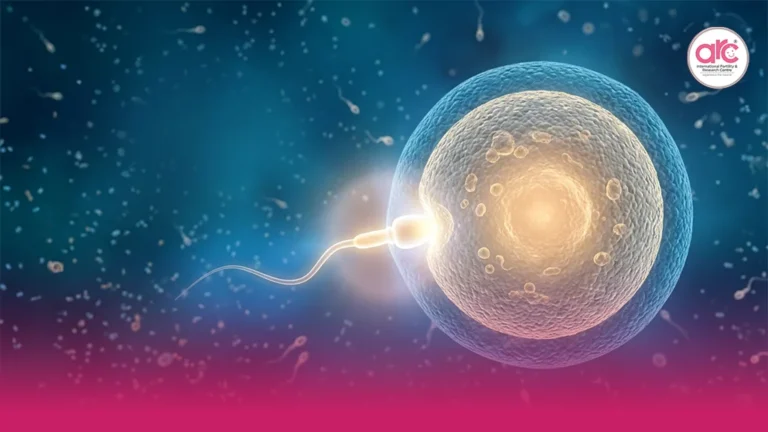
During embryo transfer, the fertility specialist uses a thin catheter to place the embryo gently inside the uterus. The embryo is microscopic, much smaller than most people imagine. Once placed, it remains within the uterine cavity, surrounded by the natural environment of the uterus and supported by the endometrial lining.
The cervix, which is the lower opening of the uterus, does not stay wide open after transfer. It remains naturally closed or nearly closed, and the uterus itself is a muscular organ. Walking, standing, coughing, laughing, or urinating does not create enough force to push the embryo out. This is why patients are usually allowed to get up shortly after the procedure and go home the same day.
A helpful way to think about it is this: the embryo is not sitting loosely in a bowl. It is placed inside a warm, protected biological space where implantation depends on embryo quality, uterine lining readiness, hormone support, and timing—not on whether you walked from the clinic room to the parking area.
Is Walking After Embryo Transfer Safe?
Yes, gentle walking is generally safe after embryo transfer. In fact, light movement can be better than lying still for the entire day, especially for blood circulation, comfort, digestion, and emotional calm. Many women feel bloated or heavy after IVF medications, and slow walking can help reduce stiffness and anxiety.
That said, “walking” means normal daily movement, not brisk exercise or long-distance walking. Going to the bathroom, walking around the house, moving from the bedroom to the dining table, or taking a short relaxed walk is usually acceptable. What doctors typically advise avoiding is strain: heavy lifting, high-impact workouts, running, jumping, intense yoga, sudden twisting, or anything that makes you breathless or physically uncomfortable.
If your ovaries are still enlarged after stimulation, your doctor may give more cautious instructions. This is especially important for women who had a high ovarian response or symptoms suggestive of ovarian hyperstimulation. If you had discomfort after egg retrieval, it may help to understand why OHSS can happen after egg retrieval and why personalised aftercare matters.
Do You Need Complete Bed Rest After Embryo Transfer?
For many years, women were advised to lie down for long periods after embryo transfer. Today, fertility care has moved away from strict bed rest for most patients. Research and clinical experience show that prolonged bed rest does not improve implantation rates for most women and may sometimes increase discomfort, stress, constipation, and back pain.
A short rest at the clinic immediately after the procedure may be offered for comfort, but staying in bed for days is not usually necessary unless your doctor specifically recommends it because of your individual medical condition. The emotional reason behind bed rest is understandable: it gives a sense of control during a time when so much feels uncertain. But medically, implantation is not helped by fear-driven immobility.
The healthier approach is balanced rest. Take the day gently. Avoid unnecessary travel or physically demanding tasks. Sleep well. Eat normally. Walk slowly when needed. Let your body feel cared for, not trapped.
What Actually Influences Implantation?
Implantation is a complex biological process. It is influenced by embryo development, chromosomal health, uterine lining thickness and receptivity, progesterone support, inflammation, blood flow, and overall medical factors. A normal walk does not decide the outcome.
This is one reason IVF can feel emotionally difficult. Patients may search for one exact behaviour that caused success or failure: “Was it because I walked?” “Did I sleep on the wrong side?” “Did I climb stairs?” In reality, IVF outcomes are rarely explained by one ordinary action. Fertility specialists evaluate the full treatment cycle, from egg response and sperm quality to fertilisation, embryo growth, transfer timing, and luteal support.
If a cycle does not work, it is not helpful or fair for a woman to blame herself for daily movements. Sometimes questions begin even earlier in the IVF journey, such as concerns about failed fertilisation after egg retrieval, embryo development, or whether the right embryo was available for transfer. Each step has its own medical reasoning, and your fertility team can review it with you clearly.
What Activities Should You Avoid After Embryo Transfer?
Although walking is safe, the post-transfer period is not the time to test your physical limits. Most doctors recommend avoiding heavy exercise, weight lifting, intense household work, long road trips immediately after transfer, hot tubs, saunas, smoking, alcohol, and self-prescribed medicines. Sexual intercourse may also be restricted for a short period depending on your clinic’s protocol and your symptoms.
It is also wise to avoid excessive heat exposure because very high body temperature is not ideal in early pregnancy attempts. Continue all prescribed medicines exactly as advised, especially progesterone, because hormone support can be important after embryo transfer.
If your job is physically demanding, ask your doctor whether you need a day or two of rest. If you have a desk job, many women can return after a short break, depending on comfort and stress levels. The goal is not to become inactive; it is to avoid strain and protect your emotional space during the two-week wait.
What About Stairs, Bending, Coughing, or Using the Toilet?
These everyday actions do not make the embryo fall out. Climbing a few stairs gently, bending slightly to pick up something light, coughing, sneezing, laughing, or passing urine or stool will not remove the embryo from the uterus. The reproductive tract and digestive tract are separate systems, so using the toilet does not affect the embryo’s position inside the uterus.
However, constipation can cause discomfort after IVF medicines. To avoid straining, drink enough water, include fibre-rich foods, and ask your doctor before taking any laxative. If you feel severe bloating, sharp pain, breathlessness, reduced urination, or sudden worsening discomfort, contact your fertility clinic promptly.
How Much Walking Is Too Much?
There is no single step count that applies to every woman after embryo transfer. A gentle walk inside the home or a short calm walk outside is different from walking for hours, rushing through a market, or travelling long distances. Listen to your body. If walking causes pelvic heaviness, cramping, dizziness, or fatigue, stop and rest.
Women with enlarged ovaries, a history of OHSS risk, pain after retrieval, bleeding, or specific medical concerns may need more individualised restrictions. This is why aftercare should not be copied from another patient’s IVF experience. Your protocol, embryo stage, hormone medicines, and ovarian response may be different.
Managing Anxiety During the Two-Week Wait
The question “Can walking after embryo transfer make the embryo fall out?” is often not only about walking. It is about fear—fear of losing the embryo, fear of failure, fear of doing something wrong. These feelings are common, especially if you have already been through months or years of trying to conceive.
Try to create a calm routine after transfer. Take medicines on time. Eat simple nourishing meals. Avoid repeatedly checking symptoms online. Do light activities that keep your mind steady, such as reading, listening to music, gentle breathing, or talking to someone supportive. Symptoms during the two-week wait can be confusing because progesterone can cause breast tenderness, bloating, sleepiness, mood changes, and mild cramps even when pregnancy status is not yet known.
Most importantly, avoid judging the outcome based on how your body feels each day. Some women have symptoms and are not pregnant; some have no symptoms and still get a positive result. The pregnancy test date recommended by your fertility clinic is the most reliable next step.
When Should You Call Your Doctor?
Contact your fertility doctor if you have heavy bleeding, severe abdominal pain, fever, fainting, persistent vomiting, breathlessness, severe bloating, or reduced urine output. Mild cramps or light spotting can happen in some women and does not always mean something is wrong, but it is always better to ask your clinic rather than panic in silence.
At ARC Fertility Hospitals, post-transfer guidance is personalised because every IVF journey is different. The safest advice is simple: walk gently if you feel comfortable, avoid strain, continue medicines, and follow your doctor’s instructions. Walking will not make the embryo fall out, and you do not need to hold your breath through every normal movement. Your body is not as fragile as fear makes it feel.
Final Takeaway
Walking after embryo transfer is not harmful when it is gentle and moderate. The embryo cannot fall out because you stood up, walked, climbed a few stairs, or used the toilet. Implantation depends on deeper biological factors, not ordinary daily movement. Give yourself permission to rest without fear, move without guilt, and wait with as much kindness toward yourself as possible.