Can Gas or Bloating Push an Embryo Out After Transfer?
If you have just had an embryo transfer, even an ordinary body sensation can feel loaded with meaning. A bubble of gas, a cramp, a bloated belly, or the need to pass stool may suddenly raise a frightening question: can gas or bloating push an embryo out after transfer?
The reassuring answer is no. Gas and bloating cannot push an embryo out of the uterus after embryo transfer. The embryo is placed inside the uterine cavity, while gas and bloating mostly happen in the intestines, which are separate from the uterus. Even if your abdomen feels tight or heavy, that pressure does not physically squeeze the embryo out.
At ARC Fertility Hospitals, this is one of the common worries patients share during the two-week wait. It is completely understandable. IVF asks you to pay close attention to your body, and then the waiting period makes every sensation feel important. But not every symptom is a sign of success or failure. Many are simply the result of hormones, ovarian stimulation, progesterone support, digestion changes, and natural anxiety after treatment.
Why Gas and Bloating Feel So Intense After Transfer
After embryo transfer, your body may feel different for several reasons. Progesterone, which is commonly given after transfer to support the uterine lining, can slow digestion. When digestion slows, gas stays longer in the intestines, and the abdomen can feel full, stretched, or uncomfortable.
If your IVF cycle included ovarian stimulation, your ovaries may still be enlarged for some time after egg retrieval. Enlarged ovaries can make the lower abdomen feel heavier than usual. Some women also feel bloated because of fluid shifts in the body after stimulation. This is why a belly that feels bigger or tighter after transfer is not unusual.
There is also an emotional layer. During fertility treatment, the body becomes the center of attention. You may notice sensations you would normally ignore. A small cramp may feel alarming. A normal digestive movement may feel like uterine pressure. This heightened awareness does not mean something is wrong; it means you are deeply invested in the outcome.
Why Gas Cannot Push the Embryo Out
To understand why gas cannot dislodge an embryo, it helps to know where everything is located. Gas forms in the digestive tract, especially the intestines. The embryo is placed inside the uterus, which is a separate reproductive organ. The intestines may sit close to the uterus, but they do not open into it and cannot push their contents into it.
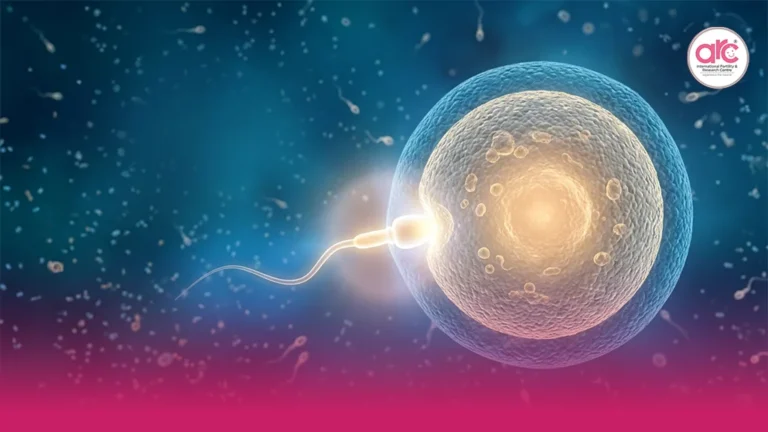
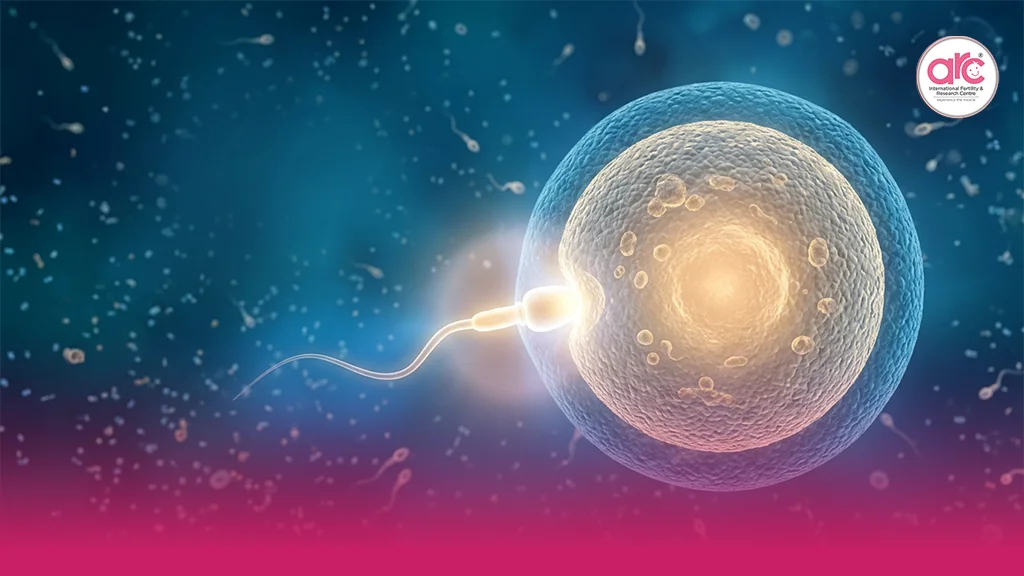
During embryo transfer, a soft catheter gently places the embryo into the uterine cavity. After the catheter is removed, the uterus does not remain open like a tube. The cervix, which is the lower opening of the uterus, naturally stays closed. The embryo is microscopic and rests within the uterine environment, supported by fluid and the uterine lining.
Think of the uterus less like an open container and more like a protected space. Everyday movements such as walking, coughing, sneezing, passing gas, urinating, or having a bowel movement do not make the embryo fall out. If these normal actions could remove an embryo, embryo transfer would require strict immobilization for days, but medical practice does not support that.
Is Bloating a Good Sign After Embryo Transfer?
Bloating after transfer can happen whether or not implantation occurs. It is not a reliable pregnancy sign on its own. Many women who become pregnant feel bloated. Many women who do not become pregnant also feel bloated because of progesterone or the recent IVF medications.
This is one reason the two-week wait can feel emotionally difficult. Symptoms overlap. Breast tenderness, mild cramps, tiredness, constipation, gas, and bloating can all be caused by progesterone support. They can also resemble early pregnancy symptoms. The only dependable way to know the result is the beta hCG blood test recommended by your fertility team.
Instead of reading each symptom as a message from the embryo, it may help to see symptoms as signs that your body is responding to medications and recent treatment. That mindset does not remove all anxiety, but it can reduce the pressure to interpret every sensation.
When Bloating Is Usually Normal
Mild to moderate bloating after embryo transfer is often expected, especially if you recently had egg retrieval. It may come with constipation, mild lower abdominal heaviness, gas, or a feeling of fullness after eating small meals. These symptoms often improve with hydration, light movement, small frequent meals, and time.
You do not need to stay in bed because of bloating. Gentle walking can help digestion and circulation. Avoid intense workouts unless your doctor has cleared them, especially if your ovaries are still enlarged. But normal daily movement is generally safe after embryo transfer and does not reduce the chance of implantation.
It is also safe to pass gas. Holding gas in may increase discomfort and anxiety. Your body is doing a normal digestive function; it is not disturbing the embryo.
When to Call Your Fertility Doctor
Although gas itself is not dangerous to the embryo, severe bloating should not be ignored. Contact your fertility clinic if bloating is rapidly worsening or if you have severe abdominal pain, vomiting, dizziness, shortness of breath, very reduced urination, sudden weight gain, or a very tight swollen abdomen.
These symptoms may suggest ovarian hyperstimulation syndrome, especially after an IVF stimulation cycle. OHSS does not mean the embryo has been pushed out, but it can require medical monitoring and care. If you want to understand this condition better, ARC Fertility Hospitals has explained why OHSS can happen after egg retrieval and why timely guidance matters.
You should also call your doctor if you have heavy bleeding, fever, severe pelvic pain, or foul-smelling discharge. Mild spotting or light cramps can occur after transfer, but any symptom that feels intense or unusual deserves medical advice.
What You Can Do to Feel More Comfortable
Small adjustments can make bloating easier to manage. Drink enough water through the day, unless your doctor has given different instructions. Eat smaller meals instead of large heavy meals. Choose foods that are gentle on digestion, such as soups, cooked vegetables, rice, curd, bananas, and protein-rich foods that suit your body.
If certain foods usually make you gassy, such as beans, carbonated drinks, fried foods, or very spicy meals, it may be sensible to reduce them for a few days. This is not because they harm the embryo, but because they may make you more uncomfortable.
Do not take over-the-counter medicines, laxatives, herbal remedies, or antacids without checking with your fertility doctor. Some may be safe, but your care team should know what you are taking after embryo transfer.
What About Straining During Bowel Movements?
Constipation is common after transfer because progesterone can slow bowel movement. Many women worry that straining in the toilet might push the embryo out. In most cases, a bowel movement will not affect embryo placement. The rectum and uterus are separate structures, and the embryo is not sitting at the cervix waiting to fall out.
Still, it is better to avoid severe straining because it can cause discomfort, piles, or pelvic pressure. Increase fluids, include fibre gradually, and ask your doctor if a stool softener is appropriate. The goal is comfort, not embryo protection from falling out.
Does Resting More Improve Implantation?
Short rest after embryo transfer may be advised by some clinics for comfort, but prolonged bed rest is usually not necessary. The embryo does not need you to remain still to stay in place. In fact, too much lying down can worsen constipation, gas, and anxious thinking.
Most patients are advised to continue calm daily activities, avoid heavy lifting or strenuous exercise, take medications on time, and follow clinic-specific instructions. Your transfer protocol matters more than self-imposed restrictions based on fear.
If This Is Not Your First IVF Worry
Many women arrive at embryo transfer after earlier disappointments: a cancelled cycle, fewer eggs than expected, fertilisation problems, or previous negative tests. If you have already faced something like failed fertilisation after egg retrieval, it is natural that every new symptom feels more threatening. Your fear has a history, and it deserves kindness.
But the current question still has a clear medical answer: gas or bloating cannot push the embryo out. Your embryo transfer outcome depends on factors such as embryo quality, uterine lining receptivity, age, genetics, hormonal support, and underlying fertility diagnosis, not on whether you passed gas or felt bloated.
The Takeaway
Can gas or bloating push an embryo out after transfer? No. Gas forms in the intestines, not the uterus. Bloating may feel uncomfortable and emotionally unsettling, but it cannot physically expel the embryo. Mild bloating, gas, constipation, and abdominal heaviness are common after IVF because of hormones, ovarian stimulation, and progesterone support.
What matters most is following your fertility specialist’s instructions, taking medications correctly, watching for severe symptoms, and waiting for the scheduled pregnancy test rather than judging the cycle by body sensations. At ARC Fertility Hospitals, patients are encouraged to ask even the questions that feel small or embarrassing, because reassurance is part of good fertility care. During the two-week wait, your body may feel noisy, but not every sensation is a warning. Sometimes, bloating is just bloating.