Can You Improve Egg Quality Before IVF?
It is one of the most common and emotionally loaded questions women ask before treatment: Can You Improve Egg Quality Before IVF? The honest answer is both reassuring and realistic. You cannot fully change the biological age or genetic makeup of an egg. But you may be able to improve the environment in which eggs grow, reduce avoidable stress on the ovaries, correct hidden health issues, and help your fertility team choose a better IVF strategy.
This distinction matters. Many women blame themselves after hearing words like “poor egg quality,” especially after a failed IVF cycle or a low embryo count. But egg quality is not a character judgment, and it is not always under personal control. It is influenced by age, ovarian reserve, hormones, inflammation, metabolism, genetics, and sometimes conditions that were never clearly diagnosed before IVF.
At ARC Fertility Hospitals, the focus is not on giving false hope, but on helping women understand what can be optimised before treatment and what needs medical planning rather than self-blame.
What Does Egg Quality Actually Mean?
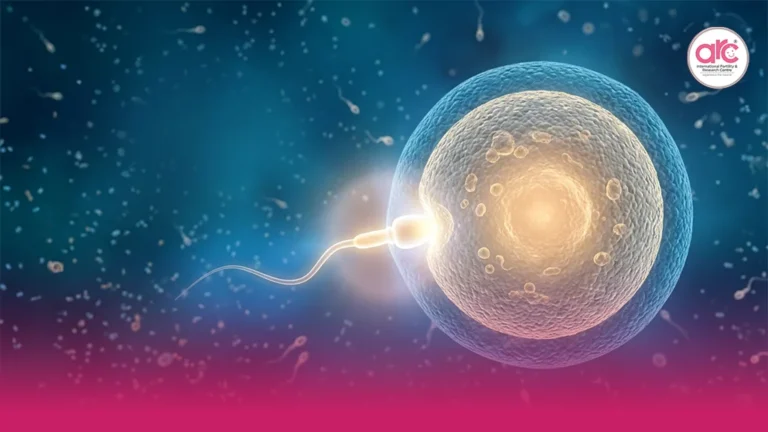
Egg quality usually refers to how capable an egg is of maturing, fertilising, dividing normally, and contributing to a healthy embryo. A good-quality egg has the right chromosome balance and enough cellular energy to support early embryo development. This is why egg quality can affect fertilisation, embryo grading, implantation chances, miscarriage risk, and overall IVF outcome.
Egg quantity and egg quality are related, but they are not the same. A woman may have many eggs but variable quality, as sometimes seen in PCOS. Another woman may have fewer eggs but still produce embryos that develop well. This is why doctors do not rely on one test alone. They look at age, AMH, antral follicle count, previous cycle response, hormone levels, medical history, and sometimes embryo development patterns.
How Long Before IVF Should You Start Preparing?
Eggs do not suddenly develop the week before retrieval. The follicles that may respond during IVF have been developing for several weeks before stimulation begins. For many women, a preparation window of about 8 to 12 weeks is useful, especially if lifestyle changes, metabolic correction, thyroid management, weight optimisation, or supplement planning is needed.
This does not mean every woman must delay IVF for three months. Age, ovarian reserve, and diagnosis matter. For example, a 30-year-old with irregular cycles may benefit from a few months of correction before IVF. A 39-year-old with low AMH may not want unnecessary delays. The right timeline should be personalised by a fertility specialist.
What Can Help Support Egg Quality Before IVF?
1. Identify and treat hidden medical issues
Before IVF, doctors often evaluate thyroid function, prolactin, blood sugar, vitamin D, ovarian reserve, uterine health, and semen parameters. Conditions such as hypothyroidism, insulin resistance, endometriosis, severe inflammation, or poorly controlled diabetes can affect the fertility environment. Treating these does not magically “upgrade” every egg, but it can remove obstacles that may reduce treatment efficiency.
2. Improve metabolic health without extreme dieting
Women are often told to lose weight before IVF, but crash dieting can backfire. The goal is not punishment; it is hormonal stability. Balanced meals with adequate protein, whole grains, healthy fats, vegetables, and micronutrients can support ovulation and energy metabolism. For women with PCOS or insulin resistance, even modest improvement in metabolic health may help cycle predictability and ovarian response.
3. Stop smoking and reduce alcohol exposure
Smoking is one of the clearest lifestyle factors linked with reduced ovarian function and poorer reproductive outcomes. Alcohol intake should also be discussed honestly with your doctor. Fertility preparation is not about perfection, but some exposures are worth reducing because they can affect egg development, hormones, and IVF response.
4. Sleep and stress matter, but not in a blaming way
Stress alone is rarely the reason IVF fails, and women should not be made to feel responsible for infertility because they are anxious. Still, sleep quality, chronic exhaustion, and constant emotional strain can influence hormone regulation and coping during treatment. Gentle routines, counselling, partner communication, and realistic planning can make IVF emotionally more manageable.
5. Use supplements only with medical guidance
Many women ask about CoQ10, folic acid, vitamin D, omega-3, antioxidants, or DHEA. Some may be useful in selected cases, but more is not always better. DHEA, for instance, is not suitable for everyone and should not be self-started. Supplements should be based on age, ovarian reserve, hormone profile, deficiency status, and medical history.
What IVF Doctors Can Adjust When Egg Quality Is a Concern
Egg quality concerns do not mean IVF has no options. Fertility specialists may adjust stimulation dose, trigger timing, medication type, lab strategy, sperm selection, fertilisation method, and embryo culture plan. In some cases, ICSI may be recommended when fertilisation risk is a concern. If you have experienced no or poor fertilisation after retrieval, understanding why fertilisation may fail after egg retrieval can help you discuss the next cycle more clearly with your doctor.
Doctors also balance egg number with safety. For women with PCOS or very high ovarian response, the concern may not be getting eggs but preventing complications. If your specialist has mentioned high response or fluid build-up, it can be helpful to understand why OHSS can happen after egg retrieval and how modern protocols reduce risk.
Age and Egg Quality: What Women Should Know
Age is the strongest predictor of egg quality because chromosome errors become more common as women get older. This does not mean pregnancy is impossible after 35 or 40, but it does mean time becomes more important. A younger woman may have room to correct lifestyle or hormonal issues first. An older woman may need a quicker, more strategic plan, sometimes including embryo freezing, genetic counselling, or discussion of donor eggs if repeated cycles show very poor embryo development.
For women trying to choose where to begin evaluation, consulting a Fertiliy hospital in Chennai can help clarify whether IVF is needed now, whether IUI is reasonable, or whether further diagnosis should come first. The goal is not to rush every woman into IVF, but to avoid losing valuable time when egg quality is already age-sensitive.
IUI or IVF: Does Egg Quality Change the Decision?
IUI may be suitable when tubes are open, sperm parameters are acceptable, ovulation is manageable, and the woman is younger. But IUI cannot show whether eggs fertilise or embryos develop normally. IVF gives doctors more information because eggs are retrieved, fertilised in the lab, and embryos are observed. When age is higher, ovarian reserve is low, endometriosis is significant, or previous IUIs have failed, IVF may offer clearer direction.
This is why treatment choice should not be based only on cost or fear of injections. IUI is less invasive and usually less expensive per cycle, but repeated unsuccessful IUIs can delay treatment. IVF costs more, but it may provide diagnostic and treatment value at the same time. A careful consultation helps weigh emotional, medical, and financial realities together.
What Not to Believe About Egg Quality
Be cautious of anyone who promises to “reverse egg age” or guarantee better embryos with one supplement, diet, detox, or injection. Egg quality is complex. Good preparation can support your chances, but no clinic or product can promise pregnancy. A trustworthy fertility plan should explain uncertainty clearly rather than hide it behind success slogans.
The most helpful approach is practical: test what can be tested, correct what can be corrected, avoid unnecessary delay, and choose a clinic that explains every step. Women looking for the Best Fertiliy hospital in Chennai should prioritise transparent counselling, personalised protocols, experienced embryology support, and emotionally respectful care.
When Should You See a Fertility Specialist?
You should consider evaluation if you are under 35 and have been trying for one year, over 35 and trying for six months, over 40 and planning pregnancy, or if you have irregular periods, endometriosis, PCOS, repeated miscarriages, low AMH, previous failed IVF, or known male factor infertility. Earlier assessment does not always mean immediate IVF. Sometimes it simply gives you better information and reduces months of uncertainty.
The Bottom Line
So, can egg quality be improved before IVF? Not in a guaranteed or absolute way. But your overall fertility environment, hormonal balance, metabolic health, treatment timing, and IVF strategy can often be improved. That can make a meaningful difference in how confidently you enter treatment.
If you are preparing for IVF, do not carry the burden alone. Ask clear questions: What is my ovarian reserve? Is my age affecting urgency? Are there correctable issues? Do I need IUI, IVF, ICSI, or another plan? A good fertility team will not promise miracles, but it will help you move forward with clarity, dignity, and care.