
How Long Does One IVF Cycle Take From Start to Pregnancy Test?
For many women, the hardest part of IVF is not only the injections, scans or procedures. It is the waiting. Once you decide to begin treatment, a very natural question comes up: how long will this take before I know whether I am pregnant?
In most cases, one IVF cycle takes about four to six weeks from the start of ovarian stimulation to the pregnancy blood test. If we include the first consultation, fertility evaluation, infection screening and treatment planning, the full journey may take six to eight weeks or sometimes longer. The exact timeline depends on your age, ovarian reserve, menstrual cycle, sperm health, whether embryos are transferred fresh or frozen, and whether additional tests are needed.
At ARC Fertility Hospitals, couples are usually guided step by step so the process feels less like a mystery and more like a structured medical plan. If you are searching for a Fertiliy hospital in Chennai, it helps to choose a team that explains not just what happens, but why each stage matters.
The IVF Timeline at a Glance
A typical IVF cycle can be understood in five main stages: initial evaluation, ovarian stimulation, egg retrieval and sperm preparation, fertilisation and embryo development, then embryo transfer followed by the pregnancy test. Each stage has its own purpose, and none should be rushed simply to finish faster.
For many women, the active treatment phase begins on day two or day three of the menstrual cycle. From there, ovarian stimulation usually continues for 8 to 12 days. Egg retrieval is performed about 34 to 36 hours after the trigger injection. Embryos are then grown in the lab for 3 to 5 days, depending on the case. After embryo transfer, the pregnancy blood test is generally done 10 to 14 days later.
Step 1: Consultation and Fertility Evaluation
Before injections begin, your fertility specialist needs to understand why pregnancy has not happened naturally. This stage may include hormone tests such as AMH, thyroid profile, prolactin, blood sugar assessment, ultrasound for antral follicle count, uterine evaluation, semen analysis and review of previous reports.
This step can take a few days to two weeks, depending on whether your tests are already available and whether any condition needs attention first. For example, a fibroid distorting the uterine cavity, uncontrolled thyroid levels, infection, severe male factor infertility or very low ovarian reserve can change the treatment plan.
Some couples feel disappointed if IVF does not start immediately. But a careful beginning often prevents confusion later. IVF is not one fixed recipe; stimulation doses, monitoring frequency and embryo transfer decisions are personalised based on your body’s response.
Step 2: Ovarian Stimulation Takes About 8 to 12 Days
During a natural menstrual cycle, usually one egg matures. In IVF, the aim is to stimulate the ovaries to develop multiple follicles so doctors can retrieve more than one egg. This improves the chance of creating healthy embryos, although more eggs do not always mean better embryos.
You will take hormonal injections for around 8 to 12 days. During this period, ultrasound scans and blood tests help the doctor check follicle growth and hormone response. Some women need fewer days of stimulation, while others need longer, especially if follicles are growing slowly.
This stage can feel emotionally intense because you are actively doing something every day. You may feel bloating, heaviness, mood changes or mild discomfort. Your doctor will also watch for over-response, especially in women with PCOS, because safety matters as much as success.
Step 3: Trigger Injection and Egg Retrieval
When the follicles reach the right size, the doctor gives a trigger injection to mature the eggs. Egg retrieval is scheduled about 34 to 36 hours later. This timing is very important. Too early, and the eggs may not be mature. Too late, and ovulation may occur before retrieval.
Egg retrieval is usually a short procedure done under sedation. Most women go home the same day. You may feel mild cramping, spotting or tiredness afterwards. The embryology team then checks how many eggs were retrieved and how many are mature.
On the same day, the male partner usually provides a semen sample. If sperm quality has been a concern, doctors may advise lifestyle corrections, supplements or timing changes in advance. Couples who want to understand the male fertility timeline can read more about how sperm quality improves over time.
Step 4: Fertilisation and Embryo Development
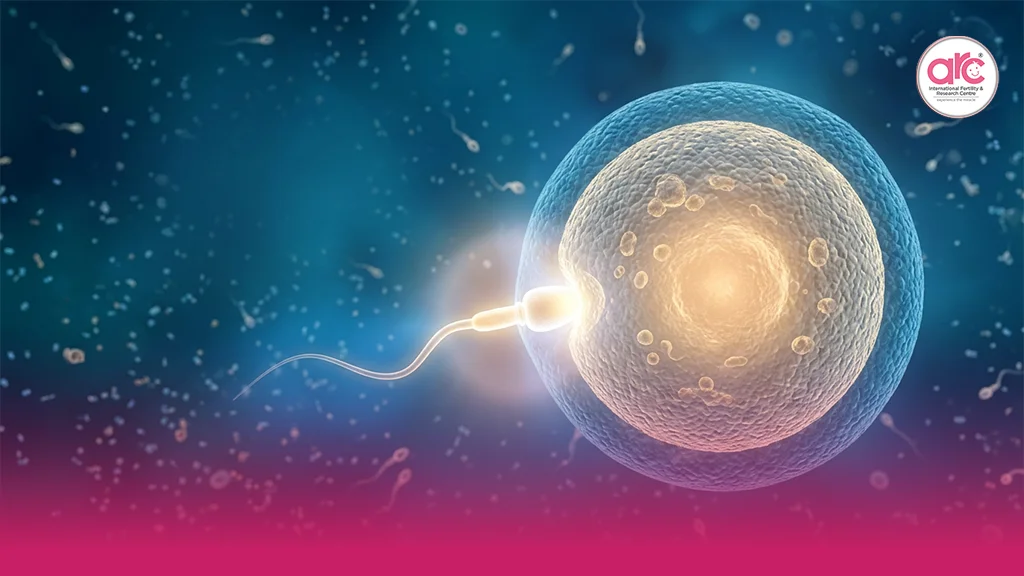
After egg retrieval, fertilisation happens in the laboratory through conventional IVF or ICSI, depending on sperm parameters and previous history. The next few days are filled with anticipation, because not every egg fertilises and not every fertilised egg becomes a good-quality embryo.
Embryos may be transferred on day 3 or day 5. A day-5 embryo is called a blastocyst. Blastocyst transfer may help doctors select embryos that have continued to develop well, but it is not suitable for every patient. If there are fewer embryos, your specialist may recommend an earlier transfer.
This is also where many couples ask about IVF success. Success depends on age, egg quality, sperm quality, embryo quality, uterine lining, medical history and sometimes genetics. No clinic can honestly promise pregnancy in one cycle. A trustworthy fertility team will explain your realistic chances and help you decide the next step without pressure.
Step 5: Fresh or Frozen Embryo Transfer
Some women have a fresh embryo transfer in the same cycle, usually 3 to 5 days after egg retrieval. Others are advised to freeze embryos and transfer them in a later cycle. A frozen embryo transfer may be suggested if hormone levels are high, the uterine lining is not ideal, there is a risk of ovarian hyperstimulation, genetic testing is planned, or the doctor believes the body needs time to settle.
A frozen transfer adds time. You may need two to six extra weeks depending on your cycle and the preparation protocol. This can feel frustrating, but it is often recommended to improve safety and create a better uterine environment.
Embryo transfer itself is usually simple and does not need anaesthesia in most cases. A thin catheter is used to place the embryo inside the uterus. After transfer, you can usually resume gentle routine activities, unless your doctor advises otherwise.
The Two-Week Wait and Pregnancy Test
After embryo transfer, the waiting period begins. The pregnancy blood test, usually beta-hCG, is done around 10 to 14 days later. Testing too early can give confusing results because hormone levels may not be high enough yet, or trigger medication may interfere in some cases.
This waiting period can feel longer than the entire treatment. Every cramp, breast tenderness or lack of symptoms may make you wonder what is happening. But symptoms are not a reliable way to confirm pregnancy after IVF. Progesterone medicines can mimic pregnancy symptoms, and some women who become pregnant feel very little.
Try to follow your medication schedule, avoid unnecessary home testing and stay in touch with your clinic if you notice severe pain, heavy bleeding, breathlessness or marked abdominal swelling.
Does IUI Take Less Time Than IVF?
Yes, IUI is usually shorter and less complex than IVF. In IUI, ovulation is tracked or mildly stimulated, semen is prepared, and sperm is placed inside the uterus around ovulation. The pregnancy test is usually done about two weeks later.
However, faster does not always mean more suitable. IUI may be considered when tubes are open, sperm parameters are reasonable, age is favourable and infertility duration is not very long. IVF may be recommended earlier in cases of blocked tubes, severe male factor infertility, advanced maternal age, low ovarian reserve, endometriosis, repeated IUI failure or when time is a major concern.
What Can Delay an IVF Cycle?
Several factors can extend the IVF timeline. A cyst seen at baseline scan, poor hormone control, infection, thin endometrial lining, unexpected low response, excessive ovarian response, need for donor gametes, genetic testing or a planned frozen transfer can all add days or weeks.
Age can also influence treatment decisions. Women above 35 may be advised not to delay evaluation, because egg number and egg quality usually decline with time. This does not mean IVF cannot work after 35, but it does mean planning becomes more time-sensitive and individualised.
How to Prepare Emotionally and Practically
Before starting IVF, it helps to plan your work schedule around scans and procedures, understand medication instructions clearly, ask about approximate costs, and discuss what happens if the first cycle does not succeed. Cost varies depending on medicines, investigations, lab procedures, embryo freezing, ICSI, genetic testing and transfer type.
Emotionally, give yourself permission to feel hopeful and scared at the same time. IVF is not just a medical timeline; it is a deeply personal experience. The right clinic should not make you feel rushed, blamed or left alone with questions. If you are comparing options and looking for the Best Fertiliy hospital in Chennai, focus on transparent counselling, ethical treatment planning, lab quality and follow-up support.
Final Takeaway
One IVF cycle usually takes four to six weeks from stimulation to pregnancy test, but the full journey may be longer when evaluation, preparation or frozen transfer is included. The best timeline is not always the fastest one. It is the one that gives your eggs, embryos and uterus the most medically appropriate chance while keeping you safe.
If you are preparing for IVF, ask your fertility specialist for a personalised calendar. Knowing what happens next can reduce anxiety and help you move through treatment with more clarity, confidence and realistic hope.
