
Can ICSI Help With Very Low Sperm Count?
Hearing that your partner has a very low sperm count can feel deeply unsettling, especially if you have already been trying to conceive for months or years. Many women immediately wonder, “Does this mean IVF is the only option?” or “Can we still have a biological child?” These are not small questions. They carry hope, fear, and sometimes quiet blame that neither partner deserves.
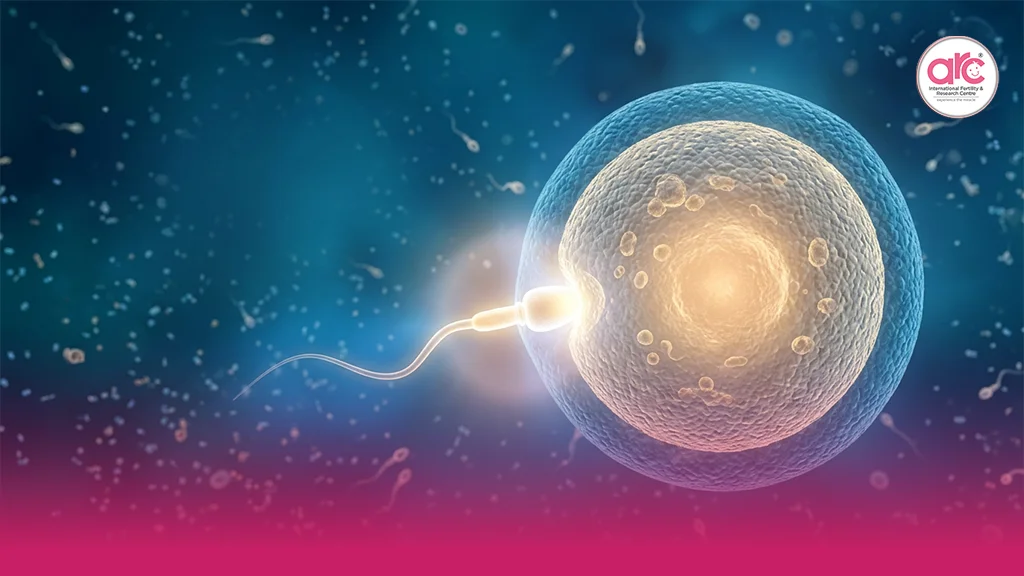
The reassuring answer is that ICSI, or intracytoplasmic sperm injection, can help many couples where sperm count is extremely low. Unlike conventional IVF, where sperm and egg are placed together in a lab dish and sperm must fertilise the egg on their own, ICSI allows an embryologist to select a suitable sperm and inject it directly into a mature egg. This bypasses one of the biggest barriers in severe male infertility: too few sperm reaching and entering the egg.
However, ICSI is not a magic shortcut. It improves the chance of fertilisation when sperm numbers are very low, but pregnancy still depends on several factors, including egg quality, embryo development, uterine health, female age, sperm DNA integrity, and the overall treatment plan.
What Counts as a Very Low Sperm Count?
A semen analysis looks at sperm concentration, motility, shape, volume, and other details. When sperm count is mildly reduced, doctors may first consider timed intercourse, ovulation tracking, lifestyle correction, or IUI depending on the female partner’s age and fertility status. But when the count is very low, especially in severe oligospermia, the number of usable sperm may be too limited for IUI or conventional IVF.
Sometimes sperm are present only in very small numbers. In other cases, sperm may not appear in the semen at all, a condition called azoospermia. Even then, some men may still produce sperm inside the testicles, and fertility specialists may discuss surgical sperm retrieval. The important point is that “very low sperm count” is not one single diagnosis. It needs careful interpretation.
Why ICSI Is Often Recommended for Severe Male Infertility
ICSI was developed for situations where sperm cannot reliably fertilise an egg without help. In very low sperm count, there may be only a few sperm available after processing the semen sample. With conventional IVF, that may not be enough. With ICSI, the lab needs one suitable sperm for each mature egg.
This is why ICSI can be especially useful when sperm count is extremely low, sperm movement is poor, previous IVF fertilisation was low, surgically retrieved sperm are used, or sperm quality is reduced after medical treatment. For a woman going through IVF, this can bring a clearer sense of direction because the treatment is designed around the actual male factor problem rather than simply hoping sperm will perform normally in the lab.
At ARC Fertility Hospitals, couples are usually guided through both male and female evaluation before deciding on ICSI. If you are looking for a Fertiliy hospital in Chennai, it is reasonable to ask how the clinic investigates male factor infertility, how semen samples are processed, and how embryology decisions are made.
What Happens During ICSI Treatment?
For the female partner, ICSI is part of an IVF cycle. The woman takes hormonal injections to help multiple eggs mature. During this period, scans and blood tests are used to monitor follicle growth. When the eggs are ready, they are collected through a minor procedure. On the same day, the male partner gives a semen sample, or previously frozen or surgically retrieved sperm may be used.
In the laboratory, eggs are assessed for maturity. A trained embryologist then selects sperm based on appearance and movement where possible and injects one sperm into each mature egg. The fertilised eggs are observed as embryos develop over the next few days. One or more suitable embryos may then be transferred into the uterus, or embryos may be frozen depending on the medical plan.
The timeline often takes around two to three weeks from stimulation to embryo transfer, though this can vary. Some couples may need a freeze-all cycle, genetic testing, further male evaluation, or medical treatment before transfer. This is why a personalised plan matters more than a standard calendar.
Can Sperm Count Improve Before ICSI?
Sometimes, yes. If low sperm count is linked to smoking, alcohol, obesity, heat exposure, untreated varicocele, hormone imbalance, infections, certain medicines, or poorly controlled diabetes, sperm parameters may improve after correction. Sperm production takes around three months, so doctors may recommend lifestyle or medical changes before repeating a semen analysis.
Stress alone is rarely the only cause of very low sperm count, but it can affect hormones, sleep, sexual timing, and overall reproductive health. If you and your partner are trying to understand the emotional and physical connection, this guide on stress and male fertility may help you see the bigger picture without blaming either partner.
Natural improvement has limits, especially when counts are severely low or sperm production is impaired. Still, improving general health may support sperm quality and treatment readiness. Couples often benefit from learning what can realistically change and what cannot; this article on ways to improve sperm count naturally explains that balance in more detail.
ICSI vs IUI: Why the Choice Matters
Many couples first ask whether IUI is enough because it feels simpler and less expensive than IVF with ICSI. IUI places processed sperm directly into the uterus around ovulation, but sperm still need to travel to the fallopian tube and fertilise the egg naturally. When sperm count is very low, there may not be enough strong moving sperm after processing to make IUI effective.
ICSI is more advanced and usually more costly, but it directly addresses the fertilisation barrier. For women above 35, or couples who have already spent years trying, repeated IUI cycles may lead to emotional and financial exhaustion if the sperm factor is severe. A good fertility consultation should explain not just what is possible, but what is sensible for your age, ovarian reserve, semen report, and timeline.
Will ICSI Guarantee Pregnancy?
No ethical fertility specialist should guarantee pregnancy with ICSI. ICSI helps sperm enter the egg, but it does not guarantee fertilisation, embryo development, implantation, or live birth. Egg quality, embryo chromosomal health, uterine receptivity, medical conditions, and age all play important roles.
This distinction is important for women because the physical part of IVF is mostly experienced by the female partner, even when the primary diagnosis is male infertility. You may be taking injections, attending scans, undergoing egg retrieval, and waiting for embryo updates. You deserve clear counselling, not exaggerated promises.
If you are comparing clinics and searching for the Best Fertiliy hospital in Chennai, look beyond advertising language. Ask about male infertility workup, embryology experience, transparency in reporting, counselling support, and whether treatment options are explained with realistic expectations.
What Tests Are Important Before ICSI?
Before recommending ICSI, doctors usually review at least two semen analyses because sperm count can fluctuate. Further tests may include hormone evaluation, ultrasound for varicocele, infection screening, genetic testing in very severe cases, and sperm DNA fragmentation testing when indicated. The female partner may undergo ovarian reserve testing, ultrasound, tubal assessment where needed, thyroid and prolactin tests, and general preconception screening.
This combined evaluation prevents a common mistake: focusing only on sperm count while missing female factors such as reduced ovarian reserve, ovulation issues, endometriosis, fibroids, or age-related egg quality decline. Fertility is shared biology, not one person’s failure.
How Should Couples Prepare Emotionally and Practically?
ICSI can feel intense because every stage brings a new wait: follicle growth, egg collection, fertilisation, embryo grading, transfer, and pregnancy testing. Couples often cope better when they understand the process before starting. Ask your doctor what outcome is expected at each stage, what may change the plan, and when frozen embryo transfer may be recommended.
Cost is another real concern. ICSI adds laboratory complexity to IVF, so expenses can vary based on medications, investigations, sperm retrieval, embryo freezing, and additional procedures. A transparent clinic should give you a clear estimate and explain what is essential versus optional.
The Takeaway
ICSI can be a powerful option for couples facing very low sperm count because it reduces the dependence on sperm numbers and natural sperm-egg penetration. For many women, it brings hope after confusing semen reports and unsuccessful attempts. But the best outcomes come from accurate diagnosis, skilled embryology, realistic counselling, and attention to both partners’ fertility health.
If you are facing this diagnosis, try not to interpret one semen report as the final story. Meet a fertility specialist, review both partners’ results, ask direct questions, and choose a treatment path that respects your body, your time, and your emotional readiness.
