Why Am I Ovulating but Not Getting Pregnant?
If your periods are regular, ovulation tests turn positive, and you can feel the familiar mid-cycle signs, it is natural to wonder: “If I am ovulating, why am I still not pregnant?” This question can feel especially frustrating because ovulation is often spoken about as the main fertility milestone. In reality, ovulation is only one part of conception.
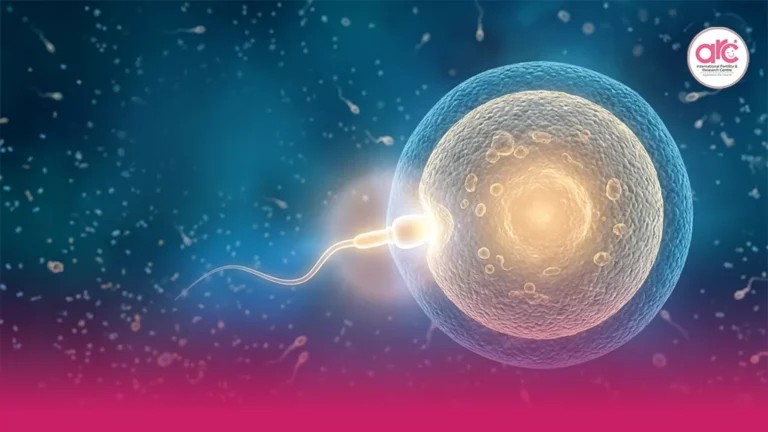
For pregnancy to happen, several steps need to work together: a healthy egg must be released, sperm must reach and fertilise it, the fallopian tube must allow movement, the embryo must reach the uterus, and the uterine lining must support implantation. A delay or difficulty at any one of these points can make conception harder, even when ovulation is happening.
At ARC Fertility Hospitals, many women arrive after months of tracking cycles, timing intercourse, and feeling emotionally exhausted. The first reassurance is this: ovulating but not conceiving does not mean you have failed, and it does not automatically mean you need IVF. It means the full fertility picture needs to be understood.
Ovulation Is Necessary, but It Is Not the Whole Story
Ovulation confirms that an egg is being released, but it does not always confirm egg quality, tubal function, sperm health, implantation readiness, or hormonal balance after ovulation. A woman may ovulate every month and still face challenges because conception depends on a sequence of events, not a single event.
Timing also matters. The fertile window usually includes the days before ovulation and the day of ovulation. Waiting until after a positive ovulation test may sometimes mean intercourse happens too late, especially because sperm need time to travel through the reproductive tract. For many couples, intercourse every 1–2 days during the fertile window is more practical than trying to pinpoint one “perfect” day.
Common Reasons You May Ovulate but Not Conceive
1. Sperm-related factors
Fertility is shared between both partners. Sperm count, motility, shape, DNA quality, infections, heat exposure, smoking, vaping, alcohol use, and certain medical conditions can affect the chance of fertilisation. This is why semen analysis is usually one of the earliest fertility tests, not a last resort. If lifestyle factors are involved, understanding whether sperm motility can improve after quitting smoking or vaping can help couples make informed changes without blame.
2. Fallopian tube blockage or damage
Even if ovulation occurs, the egg and sperm must meet inside the fallopian tube. If one or both tubes are blocked, scarred, swollen, or affected by previous infections, pelvic surgery, endometriosis, or untreated sexually transmitted infections, natural conception may be difficult. Tubal problems often have no obvious symptoms, which is why imaging tests may be recommended when pregnancy is delayed.
3. Egg quality and age-related fertility changes
Age affects fertility not only by reducing the number of eggs, but also by changing the proportion of eggs with normal chromosomal potential. A woman may continue to ovulate regularly in her mid or late 30s, yet the chance of each egg leading to a healthy pregnancy may decline. This does not mean pregnancy is impossible, but it does mean evaluation should not be delayed unnecessarily.
4. Luteal phase or progesterone concerns
After ovulation, progesterone helps prepare the uterine lining for implantation. If progesterone support is inadequate, or if the luteal phase is consistently short, implantation may be affected. Doctors do not rely only on symptoms to diagnose this. They may review cycle length, ultrasound findings, ovulation timing, and hormone tests when needed.
5. Endometriosis, fibroids, polyps, or uterine lining issues
Some women ovulate normally but have conditions that interfere with fertilisation or implantation. Endometriosis can affect the pelvic environment and tubes. Fibroids or polyps inside the uterine cavity may disturb implantation depending on their size and location. A thin or irregular endometrial lining may also need assessment, especially after recurrent failed cycles or pregnancy losses.
6. Thyroid, prolactin, insulin resistance, or other hormonal factors
Regular ovulation does not rule out other hormonal influences. Thyroid imbalance, raised prolactin, insulin resistance, and certain metabolic concerns can affect egg development, implantation, or early pregnancy support. These conditions are often treatable once identified.
When Should You See a Fertility Specialist?
A general guide is to seek fertility evaluation after 12 months of trying if you are under 35, and after 6 months if you are 35 or older. You should consider earlier consultation if you have irregular periods, severe period pain, known endometriosis, previous pelvic infection, recurrent miscarriages, ovarian surgery, or a partner with known sperm concerns.
Seeing a specialist does not mean you will be pushed into treatment. A good fertility consultation should first answer: Are you ovulating well? Are the tubes open? Is sperm health adequate? Is the uterus suitable for implantation? Is age changing the timeline? These answers help avoid guesswork.
If you are looking for a Fertiliy hospital in Chennai, choose a centre that explains testing clearly and personalises care instead of offering the same plan to every couple. ARC Fertility Hospitals focuses on diagnosis-led treatment, because the right next step depends on the reason pregnancy has not happened yet.
What Tests May Be Recommended?
Your doctor may begin with cycle history, ultrasound monitoring, and blood tests. Common investigations include ovarian reserve testing such as AMH and antral follicle count, thyroid and prolactin levels, progesterone assessment when appropriate, semen analysis, pelvic ultrasound, and tubal patency tests such as HSG or similar imaging. In selected cases, hysteroscopy or laparoscopy may be advised, especially when uterine cavity problems or endometriosis are suspected.
The goal is not to order every test for every woman. The goal is to identify the most likely limiting factor and avoid wasting precious months, especially when age or duration of infertility matters.
Does This Mean You Need IUI or IVF?
Not always. If the issue is timing, mild hormonal imbalance, or a correctable uterine factor, simpler steps may help. IUI may be considered when tubes are open and sperm parameters are reasonably suitable, particularly for unexplained infertility or mild male-factor concerns. IVF may be recommended when there is significant tubal blockage, severe sperm factor, advanced age-related concerns, low ovarian reserve, endometriosis-related infertility, or repeated unsuccessful IUI cycles.
The emotional part is just as important. Many women quietly carry guilt during the two-week wait, questioning every meal, symptom, and movement. Practical guidance on eating during the two-week wait can help reduce anxiety, but food alone cannot overcome a tubal, sperm, or implantation barrier. Supportive habits matter, but medical clarity matters too.
What About Cost, Time, and Success?
Fertility care costs vary depending on whether you need only evaluation, medicines and monitoring, IUI, IVF, ICSI, embryo freezing, or additional procedures. A transparent centre should explain what is essential, what is optional, and what may be postponed. The initial evaluation can often be planned within one menstrual cycle, while treatment timelines depend on the diagnosis and chosen approach.
No responsible fertility clinic can guarantee pregnancy. What doctors can do is improve decision-making, identify correctable factors, and recommend treatments that match your medical situation. If you are comparing care options and searching for the Best Fertiliy hospital in Chennai, look beyond promises and ask about diagnostic process, counselling, lab standards, treatment transparency, and follow-up support.
Quick Guide: Possible Reasons and Next Steps
| Possible factor | Why pregnancy may not happen | Common evaluation or next step |
|---|---|---|
| Sperm health | Sperm may not reach or fertilise the egg effectively. | Semen analysis and lifestyle or treatment planning. |
| Blocked fallopian tubes | Egg and sperm may not be able to meet. | Tubal patency test such as HSG or related imaging. |
| Age or egg quality | Ovulation may occur, but embryo potential may be lower. | AMH, antral follicle count, and timely fertility planning. |
| Uterine cavity issues | Polyps, fibroids, or lining concerns may affect implantation. | Ultrasound, saline scan, or hysteroscopy when indicated. |
| Hormonal imbalance | Thyroid, prolactin, progesterone, or metabolic issues may interfere. | Targeted blood tests and treatment if abnormal. |
| Unexplained infertility | Basic tests may look normal, but conception still does not occur. | Personalised plan, sometimes IUI or IVF depending on age and duration. |
Final Thoughts
Ovulating regularly is a positive sign, but it is not the final answer to fertility. If pregnancy has not happened despite well-timed intercourse, the next step is not more self-blame or endless tracking. It is a structured fertility evaluation that looks at both partners and every stage of conception.
With the right diagnosis, many couples gain a clearer path forward—whether that means simple correction, monitored cycles, IUI, IVF, or further investigation. The most helpful fertility care is not rushed or generic; it is honest, medically careful, and emotionally supportive.
Frequently Asked Questions
Get answers to common questions about IVF treatment at ARC Fertility
Can I ovulate every month and still be infertile?
Yes. Ovulation is important, but pregnancy also depends on sperm health, open fallopian tubes, egg quality, uterine lining, hormone balance, and implantation. If you have been trying without success, a fertility evaluation can identify where the difficulty may be occurring.
How long should I try naturally if I know I am ovulating?
If you are under 35, consider seeing a fertility specialist after 12 months of regular, unprotected intercourse. If you are 35 or older, seek evaluation after 6 months. Earlier consultation is advised if you have irregular cycles, severe period pain, endometriosis, previous pelvic infection, miscarriages, or known sperm concerns.
Does a positive ovulation test mean I released a good-quality egg?
A positive ovulation test suggests an LH surge, which usually happens before ovulation. It does not confirm egg quality, tube function, sperm health, or implantation potential. Your doctor may use ultrasound, blood tests, and ovarian reserve assessment for a clearer picture.
Should my partner be tested even if my cycles are regular?
Yes. Male-factor fertility concerns are common and may occur even when sexual function appears normal. A semen analysis is a simple early test that checks sperm count, movement, and shape, helping couples avoid months of unnecessary uncertainty.
Can stress stop pregnancy if I am ovulating?
Stress alone is rarely the only explanation for infertility, and women should not blame themselves. Severe stress may affect sleep, intercourse timing, hormones, or lifestyle habits, but medical factors such as sperm, tubes, age, and uterine health should still be evaluated if pregnancy is delayed.
Will I need IVF if I am ovulating but not conceiving?
Not necessarily. Some couples may benefit from timing guidance, treating hormonal issues, surgery for selected uterine problems, or IUI. IVF may be recommended for blocked tubes, severe sperm problems, low ovarian reserve, age-related urgency, endometriosis, or repeated unsuccessful simpler treatments.
What is the first test usually done for this problem?
Doctors usually start with a detailed history, pelvic ultrasound, ovarian reserve testing, hormone tests, and semen analysis. Depending on your age, symptoms, and duration of trying, a fallopian tube test may also be recommended early.