IVM Full Form in IVF: What Does It Mean?
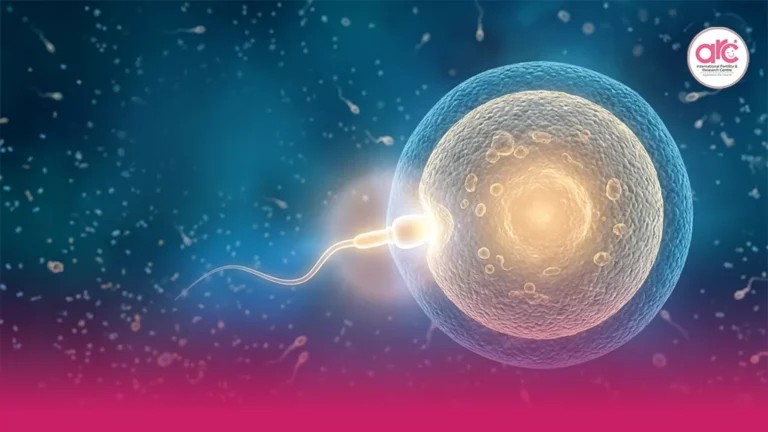
IVM full form in IVF is In Vitro Maturation. It is a fertility laboratory technique where eggs are collected from the ovaries before they are fully mature and then matured in the lab before fertilisation. For many women exploring fertility treatment, IVM can sound like a shorter or gentler version of IVF. That is partly true, but it is not simply a replacement for standard IVF.
In conventional IVF, the ovaries are stimulated with hormone injections so that multiple eggs grow and mature inside the body before egg retrieval. In IVM, the doctor retrieves immature eggs earlier, and the embryology lab completes part of the maturation process outside the body. This difference may reduce the need for high-dose ovarian stimulation in selected patients, but careful case selection is essential.
At ARC Fertility Hospitals, women are usually guided through fertility evaluation first, because the right treatment depends on age, ovarian reserve, ultrasound findings, sperm quality, previous treatment history, and medical risks. Some couples may assume treatment is needed only when a clear problem is found, but even apparently healthy couples can face unexpected conception delays; understanding why fertile couples may still struggle to conceive can help reduce self-blame and encourage timely assessment.
How IVM Works: The Basic Treatment Logic
IVM is designed around one main idea: some eggs that are not fully mature at retrieval may still be capable of completing maturation in a controlled lab environment. Once the eggs mature, they may be fertilised using IVF or ICSI techniques, depending on the semen parameters and clinical plan. If embryos develop, they may be transferred into the uterus or frozen for a later cycle.
This is why IVM is closely connected to IVF, but it is not exactly the same. IVF describes the broader process of fertilising eggs outside the body. IVM describes how the eggs are matured before fertilisation. In simple terms, IVF usually matures eggs mainly inside the ovaries before retrieval, while IVM matures eggs partly in the laboratory after retrieval.
Who May Be Considered for IVM?
IVM may be discussed for women who are at higher risk of ovarian hyperstimulation syndrome, particularly some women with polycystic ovary syndrome or very high antral follicle counts. It may also be considered in fertility preservation situations where there is limited time for ovarian stimulation, though suitability depends on the clinical context.
However, IVM is not ideal for everyone. Women with low ovarian reserve, advanced reproductive age, repeated poor egg maturity, or certain complex infertility patterns may need a different approach. A fertility specialist will usually look at hormone tests such as AMH, ultrasound follicle count, menstrual history, previous stimulation response, and partner semen analysis before recommending IVM.
If you are comparing clinics and treatment options, it is natural to search for a trusted Fertiliy hospital in Chennai. What matters most is not only whether a clinic offers a technique, but whether the team explains why it is suitable or not suitable for your body.
IVM Procedure: Step-by-Step
1. Fertility Assessment
The process begins with consultation, medical history, pelvic ultrasound, ovarian reserve testing, and semen analysis. Your doctor may also assess thyroid, prolactin, blood sugar, and other factors depending on symptoms and history.
2. Minimal or Short Stimulation
Unlike standard IVF, IVM may involve no stimulation or a shorter, milder stimulation protocol. The aim is not always to mature eggs fully inside the ovaries, but to prepare follicles enough for retrieval. Protocols differ based on patient profile and clinic practice.
3. Egg Retrieval
Egg retrieval is usually done under ultrasound guidance. Because the eggs are still immature, the timing and laboratory coordination are important. The procedure experience may feel similar to IVF egg retrieval, though the medication phase may be lighter for selected women.
4. Egg Maturation in the Lab
After retrieval, immature eggs are placed in special culture conditions to support maturation. Not every immature egg will mature, and not every mature egg will fertilise. This is one reason IVM outcomes must be discussed realistically.
5. Fertilisation and Embryo Development
Once mature, eggs may be fertilised with sperm. In many cases, ICSI may be used, especially if sperm parameters are low or if the clinical team wants to support fertilisation more directly. Embryos are then monitored in the lab.
6. Embryo Transfer or Freezing
If embryos develop appropriately and the uterine lining is ready, embryo transfer may be planned. In some cases, embryos may be frozen and transferred later, especially if hormonal conditions, endometrial thickness, or timing are not ideal. For women who have been told their lining is thin during IVF planning, learning about options such as support for thin endometrium in IVF may help them ask more informed questions.
IVM Cost: What Influences the Price?
IVM cost can vary widely because it depends on investigations, medications, egg retrieval, laboratory maturation, fertilisation method, embryo culture, freezing, and embryo transfer planning. Some women expect IVM to always be cheaper because it may use fewer hormone injections. Sometimes medication costs may be lower, but the lab component still requires expertise, equipment, and monitoring.
A useful approach is to ask for a written cost estimate that separates consultation, scans, blood tests, medicines, procedure charges, embryology charges, ICSI if needed, freezing, storage, and transfer. This helps avoid confusion later. Cost should also be understood alongside suitability. A lower medication cycle is not helpful if the expected egg maturity or embryo development is poor for your profile.
Benefits of IVM
The most discussed benefit of IVM is reduced exposure to ovarian stimulation medicines in selected women. This may be particularly meaningful for women who are at risk of excessive ovarian response. It may also reduce the anxiety some patients feel about taking several days of injections, though monitoring is still required.
Another benefit is flexibility in specific situations. For example, where full stimulation is not advisable or time is limited, IVM may be part of a fertility preservation discussion. The emotional benefit should not be ignored either. Some women feel reassured when they know there may be alternatives to conventional stimulation-heavy IVF.
Still, benefits must be balanced with limitations. IVM is more specialised, and pregnancy chances depend on egg number, egg maturity, lab quality, sperm factors, embryo development, uterine readiness, and age. No fertility treatment can guarantee pregnancy.
IVM vs IVF: Which Is Better?
There is no universal winner between IVM and IVF. Conventional IVF remains more commonly used because ovarian stimulation usually helps doctors retrieve mature eggs, which can support predictable laboratory planning. IVM may be useful when the goal is to reduce stimulation or avoid specific risks, but it needs the right patient profile and experienced lab handling.
For many women, the better question is not “Which treatment is superior?” but “Which treatment fits my ovaries, my safety profile, my timeline, and my chances?” This is where personalised fertility counselling becomes important. Patients looking for the Best Fertiliy hospital in Chennai should prioritise clear explanations, transparent cost discussion, and responsible success counselling over one-size-fits-all promises.
IVM vs IVF: Quick Comparison
| Factor | IVM | Conventional IVF |
|---|---|---|
| Full form / meaning | In Vitro Maturation; eggs mature partly in the lab | In Vitro Fertilisation; eggs usually mature in the ovaries before retrieval |
| Medication use | Often minimal or shorter stimulation in selected cases | Usually involves ovarian stimulation injections |
| Common consideration | May be discussed for women at risk of over-response, such as some PCOS profiles | Used across many infertility causes when ovarian stimulation is appropriate |
| Laboratory role | Lab maturation is a key step before fertilisation | Lab fertilisation and embryo culture are key steps after mature egg retrieval |
| Cost pattern | Medication cost may be lower, but lab and procedure costs still apply | Medication costs may be higher, along with standard IVF lab and procedure charges |
| Best decision factor | Suitability, ovarian response risk, age, egg maturity expectations | Diagnosis, ovarian reserve, sperm factors, prior treatment response |
When Should You Ask a Doctor About IVM?
You may ask about IVM if you have PCOS, a history of very high response to stimulation, concern about ovarian hyperstimulation, limited time before medical treatment, or anxiety about heavy medication protocols. But the final decision should come after proper fertility work-up. Sometimes a modified IVF protocol, freeze-all approach, antagonist cycle, or other strategy may be safer or more effective than IVM.
The most reassuring fertility care is not rushed. A good consultation should leave you understanding your diagnosis, why a treatment is being suggested, what alternatives exist, what the cost components are, what timeline to expect, and what uncertainties remain. IVM can be a valuable option for selected women, but its strength lies in careful use, not in being presented as a shortcut. If you are considering fertility treatment, bring your reports, ask direct questions, and choose a team that explains both possibilities and limitations with honesty.
Frequently Asked Questions
Get answers to common questions about IVF treatment at ARC Fertility
What is the full form of IVM in IVF treatment?
IVM stands for In Vitro Maturation. It is a technique where immature eggs are collected from the ovaries and matured in the laboratory before fertilisation. It is related to IVF but differs from conventional IVF because egg maturation happens partly outside the body.
Is IVM less painful or easier than IVF?
IVM may involve fewer or milder stimulation injections for selected women, which can feel easier for some patients. However, it still involves monitoring, egg retrieval, laboratory fertilisation, and possible embryo transfer. The physical experience varies from person to person, so your doctor should explain what to expect based on your protocol.
Who is a good candidate for IVM?
IVM may be considered for some women with PCOS or a high risk of ovarian over-response, and in certain fertility preservation situations. It is not suitable for everyone. Age, ovarian reserve, follicle count, previous treatment response, sperm quality, and overall diagnosis all influence whether IVM is appropriate.
Does IVM cost less than IVF?
IVM may reduce medication costs in some cases because stimulation can be minimal or shorter. But the total cost also includes scans, tests, egg retrieval, laboratory maturation, fertilisation, embryo culture, freezing if needed, and embryo transfer. Ask your clinic for a written estimate that separates each cost component.
Is IVM better than IVF for PCOS patients?
IVM can be useful for selected women with PCOS, especially if there is concern about excessive response to ovarian stimulation. However, many PCOS patients also do well with carefully planned conventional IVF protocols. The better option depends on your ovarian profile, safety risks, previous response, and your doctor’s assessment.
Can IVM guarantee pregnancy?
No. IVM, like IVF, cannot guarantee pregnancy. Outcomes depend on egg maturity, fertilisation, embryo quality, uterine lining, age, sperm factors, and overall reproductive health. A responsible fertility specialist will discuss expected possibilities and limitations without making promises.
How should I prepare for an IVM consultation?
Carry previous fertility reports, ultrasound scans, hormone tests, semen analysis, details of menstrual cycles, and any past IVF or IUI records. Ask your doctor why IVM is being considered, what alternatives exist, how many visits may be needed, and what the complete cost estimate includes.