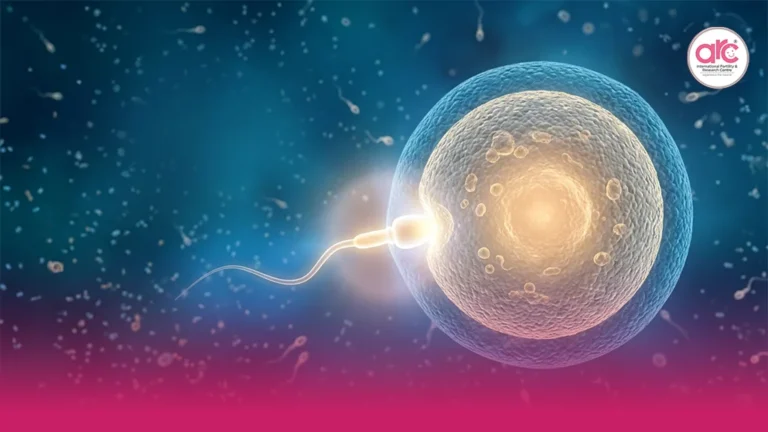
When a semen analysis shows low sperm motility, many women quietly start searching for answers. It is natural to wonder whether a supplement can improve the chances of pregnancy, whether IVF will be needed, or whether there is still time to try naturally. The honest answer is that supplements can help in selected cases, but they work best when the reason for poor motility is properly understood.
Sperm motility means how well sperm move. For pregnancy to happen naturally, sperm must swim through cervical mucus, enter the uterus, reach the fallopian tube, and meet the egg. If movement is weak, slow, or poorly coordinated, fertilisation becomes harder. This does not mean pregnancy is impossible, but it does mean the couple should look at male fertility more carefully, instead of assuming fertility is only a female factor.
What Causes Low Sperm Motility?
Low motility can happen for many reasons. Some are temporary, while others need medical treatment. Common causes include oxidative stress, smoking, alcohol use, obesity, high heat exposure, varicocele, infections, hormonal imbalance, uncontrolled diabetes, poor sleep, and certain medications. Long gaps between ejaculation, fever, and recent illness can also affect semen results for a few weeks.
For women trying to conceive, this can feel frustrating because female cycles are time-sensitive. If ovulation is regular but pregnancy is not happening, checking the male partner early can prevent months of confusion. A semen analysis is simple, non-invasive, and often gives important direction for the next step.
Best Supplements for Low Sperm Motility
The Best supplements for low sperm motility are usually those that support sperm energy production, reduce oxidative stress, and improve overall sperm function. However, supplements should not be treated like instant fertility medicine. Sperm development takes around three months, so doctors usually assess improvement after consistent use for 8 to 12 weeks.
1. Coenzyme Q10
Coenzyme Q10, often called CoQ10, is one of the most commonly discussed nutrients for sperm motility. Sperm need energy to move, and CoQ10 supports mitochondrial function, which is important for sperm movement. It may be considered when motility is mildly to moderately reduced, especially if oxidative stress or lifestyle factors are suspected.
2. L-Carnitine
L-carnitine helps in fatty acid transport and energy metabolism. Since sperm movement depends heavily on energy, this supplement is often used in male fertility support plans. It may be particularly useful when sperm count is acceptable but forward movement is poor.
3. Zinc
Zinc plays a role in testosterone production, sperm formation, and semen quality. Low zinc intake may affect sperm parameters. Food sources include nuts, seeds, eggs, seafood, and legumes. Supplementation should be guided by a doctor because excessive zinc can interfere with other minerals.
4. Selenium
Selenium supports antioxidant protection and sperm structural integrity. It is often combined with vitamin E in fertility supplements. Since antioxidants work as part of a system, selenium may be more useful when paired with other nutrients rather than taken randomly.
5. Vitamin C and Vitamin E
Vitamin C and vitamin E help reduce oxidative damage. Oxidative stress is one of the major reasons sperm movement may suffer. Men who smoke, have high stress, poor diet, obesity, or exposure to heat and pollution may have higher oxidative stress. These vitamins are not a cure, but they may support better sperm environment.
6. Omega-3 Fatty Acids
Omega-3 fatty acids support cell membrane health. Sperm membranes need flexibility for movement and fertilisation. Omega-3 may be useful when diet is low in healthy fats. Good food sources include fatty fish, walnuts, flaxseed, and chia seeds.
7. Folate and Vitamin B12
Folate and vitamin B12 are involved in DNA synthesis and cell development. They may support sperm production, especially when dietary intake is poor or deficiency is present. In some cases, fertility doctors may evaluate whether additional testing is needed if semen quality remains poor despite supplementation.
Can Supplements Alone Improve Pregnancy Chances?
Sometimes, yes, especially if low motility is mild, the female partner is younger, ovulation is regular, tubes are open, and there are no major sperm abnormalities. But if motility is severely low, if sperm count is also low, or if the couple has been trying for a long time, supplements alone may delay necessary treatment.
This is where medical judgement matters. A fertility specialist does not look at motility in isolation. They consider sperm count, morphology, semen volume, DNA fragmentation risk, the woman’s age, egg reserve, ovulation pattern, tubal status, and how long the couple has been trying. If you want to understand practical male fertility steps in more detail, ARC’s guide on how to make sperm stronger for pregnancy explains lifestyle and treatment-focused approaches clearly.
When Should Couples Not Wait Too Long?
If the female partner is below 35 and the couple has been trying for one year, fertility evaluation is reasonable. If she is 35 or older, it is better to seek help after six months of trying. If semen analysis already shows low motility, very low count, previous testicular surgery, varicocele, erectile or ejaculation difficulty, or recurrent pregnancy loss, earlier consultation is sensible.
Many women carry the emotional burden of infertility appointments, tracking ovulation, and worrying about age. But male fertility contributes to conception just as much. A supportive approach is not about blaming either partner. It is about finding the factor that can be improved and choosing the treatment that gives the couple the best realistic chance.
IUI or IVF: How Low Motility Affects Treatment Decisions
For mild motility issues, IUI may be considered if the washed sperm sample has enough moving sperm and the woman’s tubes are open. IUI places prepared sperm closer to the egg, reducing the distance sperm need to travel. However, IUI may not be useful when motility is very poor, sperm count is low, or there are additional female fertility factors.
IVF or ICSI may be advised when sperm movement is significantly impaired. In ICSI, a single selected sperm is injected into the egg. This can help overcome severe motility-related barriers, though it still does not guarantee pregnancy. The final decision depends on the couple’s full fertility profile, age, previous treatment history, and embryo development potential.
Cost, Time, and Realistic Expectations
Supplements are usually less expensive than fertility procedures, but they require time and consistency. Most doctors will not judge results in two weeks because sperm improvement follows a biological cycle. A repeat semen analysis after about three months is more meaningful.
At the same time, spending month after month on supplements without reassessment can become costly emotionally and financially. If the female partner has low ovarian reserve, irregular ovulation, endometriosis, blocked tubes, or age-related fertility concerns, waiting too long may reduce treatment options. The right plan balances sperm improvement with the woman’s reproductive timeline.
What ARC Fertility Hospitals Usually Evaluates
At ARC Fertility Hospitals, male fertility assessment may include semen analysis, medical history, lifestyle review, examination for varicocele where needed, hormonal tests in selected cases, infection screening, and advanced sperm testing when indicated. The goal is not to prescribe supplements blindly, but to identify whether motility is likely to improve naturally, medically, surgically, or through assisted reproduction.
Couples often approach a Best Fertility Hospital in Chennai when they feel stuck between trying naturally and starting treatment. Others may visit a Fertility Hospital in Chennai after repeated semen reports show poor movement or after failed cycles elsewhere. In both situations, the most useful care is calm, evidence-based, and personalised.
Practical Lifestyle Steps That Support Supplements
Supplements work better when daily habits support sperm health. Men should avoid smoking, limit alcohol, maintain a healthy weight, sleep well, manage diabetes or thyroid issues, reduce heat exposure from saunas or tight clothing, and avoid anabolic steroids. Regular moderate exercise can help, but excessive heat-heavy training or steroid use can harm sperm quality.
Diet also matters. A fertility-supportive diet includes vegetables, fruits, whole grains, pulses, nuts, seeds, eggs, lean protein, and healthy fats. Hydration and stress management are simple but often overlooked. None of these steps promises pregnancy, but together they create a better biological environment for sperm production.
The Bottom Line
Low sperm motility can be improved in some men, especially when the cause is related to oxidative stress, nutrition, lifestyle, or correctable medical conditions. CoQ10, L-carnitine, zinc, selenium, vitamins C and E, omega-3, folate, and B12 are commonly used in fertility support, but they should be chosen with medical guidance.
For couples, the key is not to panic and not to postpone evaluation endlessly. A semen report is only one part of the fertility picture. With the right testing, realistic timelines, and expert guidance, couples can decide whether supplements, IUI, IVF, ICSI, or another approach is most appropriate for their situation.