If you and your partner are trying to conceive, it’s completely natural to look closely at everyday habits that might influence your chances of pregnancy. Many women begin by tracking ovulation, improving their diet, and taking prenatal supplements. But conception is a shared journey, and male fertility plays an equally important role.
One question fertility specialists hear quite often is: Can hot baths affect male fertility?
The answer is yes—but with some important context. Regular exposure to high temperatures around the testicles can temporarily reduce sperm production and affect sperm quality. However, this doesn’t mean that enjoying one warm bath or an occasional hot shower will make a man infertile.
At ARC Fertility Hospitals, a leading fertility hospital in Chennai, we encourage couples to focus on evidence-based information rather than myths. Male fertility depends on several factors, including lifestyle, overall health, hormones, age, and medical conditions. Heat exposure is one piece of the puzzle—not the whole story.
Why Temperature Matters for Sperm Production
The male body is designed to keep the testicles slightly cooler than normal body temperature. This is why they are located outside the body within the scrotum.
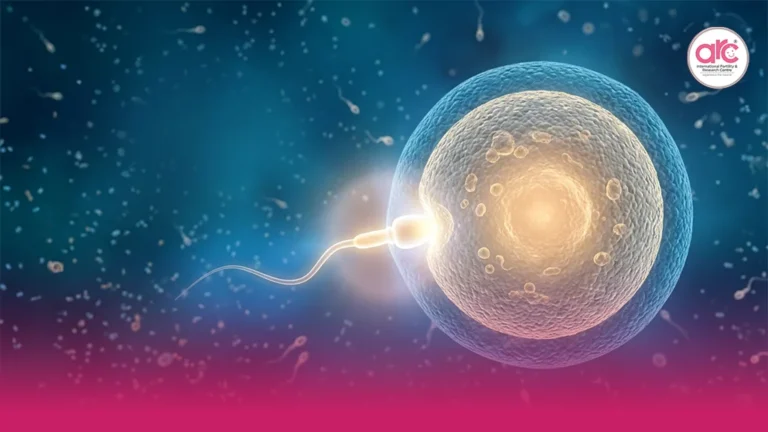
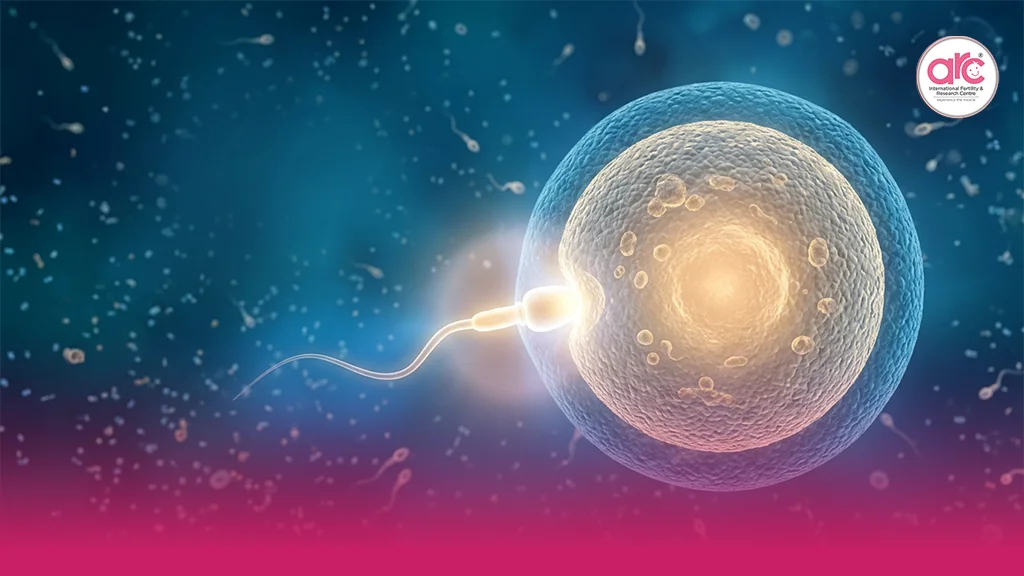
Healthy sperm production, known as spermatogenesis, works best when the temperature remains around 2–3°C below core body temperature. When the scrotum is exposed to prolonged heat, the environment needed to produce healthy sperm becomes less favourable.
Sperm production is a continuous process that takes approximately 74 days, meaning lifestyle habits today may affect sperm quality over the next two to three months.
This is why fertility specialists often ask about daily routines such as:
- Frequent hot baths
- Hot tubs or Jacuzzis
- Sauna and steam room use
- Long hours with laptops resting on the lap
- Occupations involving prolonged heat exposure
- Tight clothing worn for extended periods
These habits may not cause infertility on their own, but repeated exposure can influence sperm quality over time.
Can One Hot Bath Cause Infertility?
No.
A single hot bath or an occasional relaxing soak is very unlikely to affect fertility permanently.
The concern arises when exposure becomes frequent, prolonged, and intense.
For example, men who regularly:
- Spend long periods in hot tubs
- Take very hot baths several times each week
- Use saunas frequently
- Spend extended periods in steam rooms
may experience temporary reductions in:
- Sperm count
- Sperm motility (movement)
- Sperm morphology (shape)
Fortunately, these changes are often reversible once heat exposure is reduced.
How Long Does It Take for Sperm to Recover?
Because sperm take around two to three months to develop, improvements don’t happen overnight.
If a man stops regular hot tub use today, healthier sperm are typically produced over the following 74 to 90 days.
The exact recovery time varies depending on:
- Age
- Overall health
- Existing sperm quality
- Smoking or alcohol use
- Obesity
- Hormonal balance
- Other medical conditions
This is why fertility specialists usually recommend maintaining healthy habits consistently for several months rather than expecting immediate changes.
What Counts as Excessive Heat?
There isn’t a universal temperature or exact time limit that applies to everyone. Instead, fertility specialists look at how often, how long, and how intensely heat exposure occurs.
Examples include:
- Daily hot baths
- Regular Jacuzzi use
- Frequent sauna sessions
- Steam rooms several times each week
- Resting laptops directly on the lap for hours
- Tight underwear combined with hot climates
- Occupations involving prolonged exposure to high temperatures
- High fever due to illness
Even a severe fever can temporarily reduce sperm quality for several weeks because elevated body temperature affects developing sperm cells.
If your partner occasionally enjoys a warm bath, there’s usually no reason to worry. However, while actively trying to conceive, avoiding repeated overheating is a simple lifestyle adjustment that may support healthier sperm production.
Why Male Fertility Should Never Be Overlooked
Many women naturally assume responsibility for fertility planning. They monitor ovulation, schedule appointments, track symptoms, and often carry much of the emotional burden.
However, male factors contribute to nearly half of infertility cases, either alone or alongside female factors.
That’s why fertility assessment should always involve both partners.
A semen analysis is one of the simplest and most informative fertility tests. It evaluates:
- Sperm concentration
- Sperm motility
- Sperm morphology
- Semen volume
- Other indicators of reproductive health
If the report shows abnormal results, your doctor may recommend repeating the test because sperm quality can fluctuate due to illness, stress, medications, or temporary lifestyle factors such as heat exposure.
Simple Lifestyle Changes That May Support Male Fertility
When trying for pregnancy, small lifestyle improvements can sometimes make a meaningful difference over time.
Consider the following practical steps:
Choose warm showers instead of prolonged hot baths whenever possible.
Limit frequent sauna sessions, steam rooms, and hot tubs while actively trying to conceive.
Wear loose, breathable underwear to reduce unnecessary heat around the testicles.
Avoid placing laptops directly on the lap for extended periods. A desk or laptop stand is a better option.
Maintain a healthy weight through regular exercise and balanced nutrition.
Avoid smoking and limit alcohol intake, as both can affect sperm quality.
Get adequate sleep and manage chronic stress, which also influence reproductive health.
These habits won’t guarantee pregnancy, but they create a healthier environment for sperm production.
When Should You See a Fertility Specialist?
If pregnancy has not occurred after:
- 12 months of regular unprotected intercourse if the woman is under 35, or
- 6 months if she is 35 or older,
it’s advisable to schedule a fertility evaluation.
You should also seek earlier assessment if there are:
- Irregular menstrual cycles
- PCOS
- Endometriosis
- Previous pelvic infections
- Recurrent miscarriages
- Previous chemotherapy
- Known male fertility concerns
At ARC Fertility Hospitals, recognised by many couples as one of the best fertility hospitals in Chennai, fertility evaluation always considers both partners together rather than focusing only on the woman.
Depending on the findings, treatment may involve:
- Lifestyle modifications
- Timed intercourse
- Ovulation induction
- Intrauterine insemination (IUI)
- IVF
- ICSI
- Advanced sperm assessment
The goal is always to recommend the treatment that best fits your diagnosis—not simply move directly to IVF.
Can Avoiding Hot Baths Improve Pregnancy Chances?
It certainly can—if excessive heat is contributing to poor sperm quality.
However, it’s important to keep expectations realistic.
Avoiding hot baths alone will not solve every fertility problem. Successful conception depends on:
- Healthy sperm
- Healthy eggs
- Regular ovulation
- Open fallopian tubes
- A receptive uterus
- Hormonal balance
- Age
- Overall reproductive health
Improving sperm-friendly habits is one part of creating the best possible conditions for pregnancy.
Final Thoughts
So, can hot baths affect male fertility? Yes, frequent and prolonged exposure to high temperatures can temporarily reduce sperm production and affect sperm quality. Fortunately, these changes are often reversible once heat exposure is reduced.
If you are trying to conceive, don’t let the entire responsibility fall on one partner. Fertility is a shared journey, and both male and female reproductive health deserve equal attention.
If pregnancy is taking longer than expected, a timely fertility evaluation can provide answers that months of online searching cannot. At ARC Fertility Hospitals, couples receive evidence-based guidance, personalised care, and treatment plans designed around their individual fertility needs—helping them move forward with confidence instead of uncertainty.