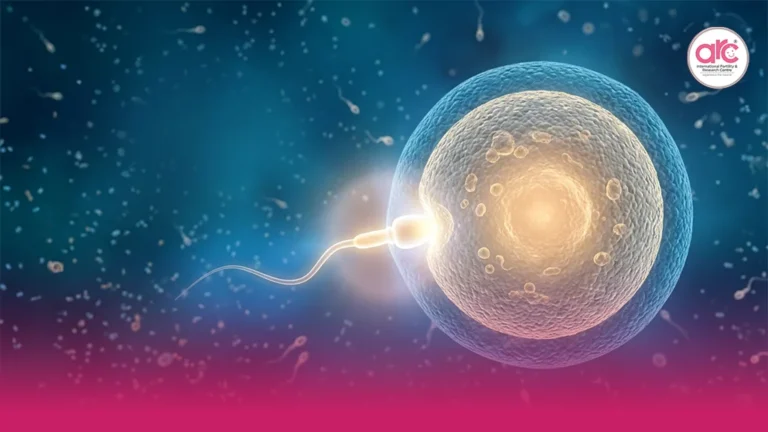
Can laughing too hard affect implantation?
If you are in the two-week wait after ovulation, IUI, or embryo transfer, even the smallest body movement can suddenly feel important. A strong laugh, a sneeze, a cough, climbing stairs, turning in bed, or even stretching may make you wonder, “Did I just affect implantation?” This worry is very common, especially when you have been trying to conceive for a long time or have invested emotionally, physically, and financially in fertility treatment.
The reassuring answer is that laughing too hard does not usually affect implantation. Normal laughter, even a deep belly laugh, cannot “shake loose” an embryo or stop it from implanting. Implantation is a microscopic biological process that depends on embryo quality, uterine lining readiness, hormone support, and the timing of communication between the embryo and endometrium. It is not controlled by ordinary movements of the abdominal muscles.
That said, your fear is not silly. The waiting period can make the body feel like a fragile place. Every cramp, twinge, or sensation gets noticed. Understanding what really happens during implantation can help you feel less anxious and more in control.
What actually happens during implantation?
Implantation usually occurs when a developing embryo reaches the uterus and begins attaching to the endometrial lining. In natural conception, this often happens around 6 to 10 days after ovulation. In IVF, implantation timing depends on the stage of embryo transfer. A blastocyst transfer, for example, may begin the implantation process sooner than a day-3 embryo transfer.
The embryo is not sitting loosely inside the uterus like a small object that can fall out with movement. The uterine cavity is more like a soft, closed space where the walls gently touch each other. The embryo interacts with the uterine lining through molecular signals, adhesion factors, hormones, and local immune responses. This is why fertility specialists focus on factors such as progesterone support, endometrial thickness, uterine cavity health, embryo development, and timing rather than asking patients to avoid laughing.
In simple words, implantation is not a mechanical balancing act. It is a biological conversation between the embryo and the lining of the uterus.
Why laughter feels worrying during the two-week wait
When you laugh hard, your abdominal muscles contract. You may feel pressure in your lower belly, especially if your ovaries are enlarged after stimulation, if you are bloated after IVF injections, or if you are already sensitive to pelvic sensations. This can make laughter feel more intense than usual.
But abdominal muscle movement is different from uterine disruption. Your uterus is well protected inside the pelvis. Normal daily actions such as laughing, sneezing, coughing, walking, using the bathroom, or gently bending are not known to prevent implantation. In fact, most fertility clinics encourage patients to return to light, normal activities after embryo transfer rather than staying in strict bed rest.
For many women, the deeper issue is not the laugh itself. It is the fear of doing something wrong. After months or years of trying, it is natural to want to control every detail. But implantation is influenced far more by medical and biological factors than by one moment of laughter.
What factors matter more for implantation?
Several factors can influence implantation, and they are usually assessed during fertility evaluation or IVF planning. Embryo quality is one of the most important. A chromosomally normal embryo has a better chance of continuing development, though no embryo transfer can guarantee pregnancy.
The uterine lining also matters. Doctors often evaluate endometrial thickness, pattern, and response to hormones. A healthy lining is usually receptive during a specific window, sometimes called the window of implantation. Hormone balance, especially adequate progesterone after ovulation or embryo transfer, supports the lining during this phase.
Uterine cavity conditions can also affect implantation. Polyps, fibroids that distort the cavity, adhesions, or chronic inflammation may interfere with embryo attachment in some women. If you have repeated implantation failure, unusual bleeding, or a history of uterine concerns, it may be helpful to understand the signs of endometrial polyps and implantation concerns and discuss whether further evaluation is needed.
Age is another important factor because egg quality changes with time. This is why fertility specialists look at the full picture: age, ovarian reserve, semen parameters, ovulation pattern, tubal health, uterine cavity, previous pregnancy history, and treatment response. A single episode of laughter is not on that list because it is not a meaningful medical cause of implantation failure.
After IVF transfer, should you avoid laughing?
No, you do not need to avoid laughing after embryo transfer. Gentle happiness, conversation, a light movie, or a genuine laugh are not harmful. Many women feel guilty after laughing hard because the two-week wait makes everything feel high stakes. But emotional ease can be valuable during this time. You do not have to stay tense to protect the embryo.
Most clinics advise avoiding strenuous exercise, heavy lifting, intense twisting, smoking, alcohol, overheating, and medicines not approved by your doctor. These precautions are different from avoiding normal life. Walking to the bathroom, sitting in a car, laughing with family, or coughing because of a mild throat irritation is not the kind of activity that usually affects implantation.
If your doctor has given you specific restrictions because of ovarian hyperstimulation risk, severe bloating, bleeding, pain, or another medical concern, follow that personalised advice. Fertility care is not one-size-fits-all.
What symptoms are normal after implantation or embryo transfer?
Mild cramping, bloating, breast tenderness, mood changes, tiredness, and light spotting can happen during the luteal phase or after fertility medication. These symptoms can occur whether pregnancy happens or not, which is why symptom tracking can become emotionally exhausting. Progesterone supplements used in IVF can also mimic early pregnancy signs.
Some women feel nothing at all and still have a positive result. Others feel many symptoms and do not conceive that cycle. This uncertainty is one reason the two-week wait is so difficult. A pregnancy test done at the time advised by your clinic is more reliable than interpreting every body sensation.
When should you call a fertility specialist?
Although laughing itself is not a concern, certain symptoms should not be ignored. Contact your fertility doctor if you have heavy bleeding, severe pelvic pain, fever, dizziness, fainting, increasing abdominal swelling, shortness of breath, or pain that does not settle. After IVF stimulation, significant bloating and discomfort may need assessment for ovarian hyperstimulation syndrome.
You should also speak with a specialist if you have had repeated failed cycles, recurrent pregnancy loss, very irregular periods, known fibroids or polyps, endometriosis, low ovarian reserve, or male factor infertility. In these situations, the focus should be on diagnosis and treatment planning, not blaming yourself for laughing, coughing, or moving.
How to manage anxiety during the waiting period
The two-week wait is not only a medical pause; it is an emotional test. You may feel hopeful one minute and fearful the next. Try to keep your routine gentle but normal. Eat regular meals, take prescribed medicines on time, sleep as well as you can, and avoid repeatedly searching for symptoms late at night. If possible, choose calm activities that make time pass without making you feel physically restricted.
It may also help to remind yourself: implantation is not something you can force through perfect behaviour. You can support your body by following medical advice, but you do not need to live in fear of every laugh, sneeze, or step.
At ARC Fertility Hospitals, patients often come with questions that sound small on the surface but carry a lot of emotional weight. “Can laughing too hard affect implantation?” is one of those questions. The compassionate answer is no, ordinary laughter is not a threat to implantation. If pregnancy does not happen in a cycle, it is far more likely related to embryo, lining, hormonal, age-related, sperm, or uterine factors than to a moment of laughter.
The takeaway
Laughing too hard is very unlikely to affect implantation. The embryo is protected within the uterus, and implantation depends on complex biological readiness rather than normal abdominal movement. After ovulation, IUI, or IVF transfer, you can continue gentle daily activities unless your doctor advises otherwise.
If you are worried because of symptoms, repeated failed cycles, or a known fertility condition, seek personalised guidance from a fertility specialist. But if your only concern is that you laughed hard during the waiting period, take a breath. You have not ruined your chances by being human.