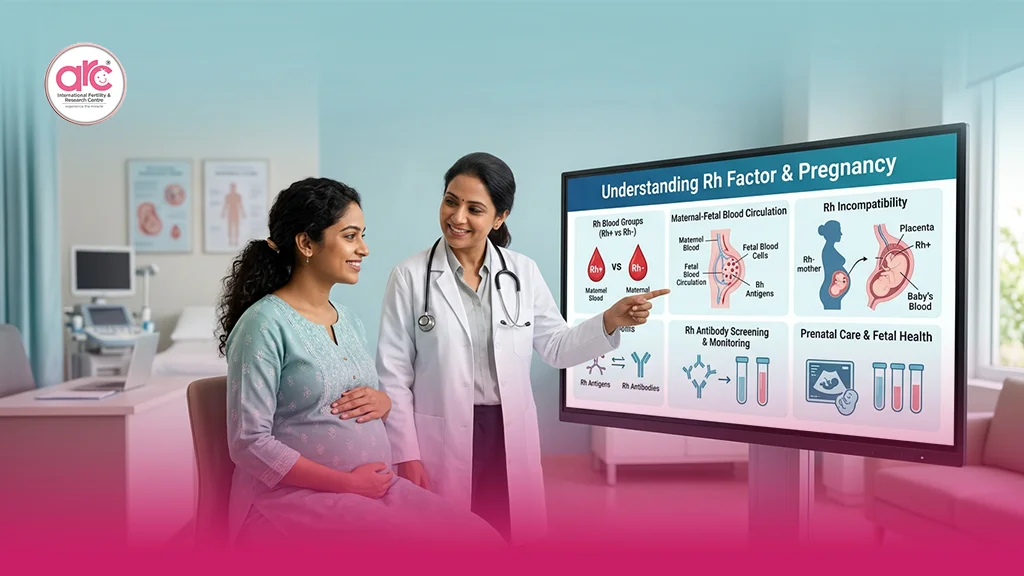
Can Rh negative cause miscarriage? This is one of the most common questions women ask after experiencing pregnancy loss or learning they have an Rh-negative blood type. Can Rh negative cause miscarriage is a concern for many expecting parents, but the reassuring answer is that Rh-negative blood alone does not usually cause miscarriage. With proper prenatal care and Anti-D treatment when required, most Rh-negative women go on to have healthy pregnancies.
Can Rh-negative cause miscarriage? The short answer is not usually.
Simply having an Rh-negative blood type does not cause a miscarriage. Most women with Rh-negative blood go on to have healthy pregnancies and healthy babies. Problems can arise only when an Rh-negative mother carries an Rh-positive baby and her immune system becomes sensitized, but modern pregnancy care has made this complication highly preventable.
Understanding what Rh-negative blood means and when it actually matters can help replace fear with clarity.
What Does It Mean to Be Rh-Negative?
Your blood type consists of two parts:
- ABO blood group (A, B, AB, or O)
- Rh factor (positive or negative)
If you have the Rh protein on your red blood cells, you’re Rh-positive. If you don’t, you’re Rh-negative.
Being Rh-negative isn’t an illness or a fertility problem. It’s simply a genetic characteristic that affects a smaller percentage of people.
For most women, discovering they’re Rh-negative has no impact on everyday health. It only becomes important during pregnancy if the developing baby inherits an Rh-positive blood type from the father.
Can Rh-Negative Cause Miscarriage?
No. Rh-negative blood itself does not cause miscarriage.
This is one of the biggest misconceptions surrounding pregnancy loss.
The majority of first-trimester miscarriages happen because of chromosomal abnormalities in the embryo. Other common causes include:
- Chromosomal abnormalities
- Hormonal imbalances
- Thyroid disorders
- Uncontrolled diabetes
- Uterine abnormalities
- Severe infections
- Lifestyle factors
- Autoimmune conditions
Being Rh-negative is not one of the common causes.
However, Rh incompatibility can create complications in future pregnancies if it is not recognized and managed appropriately.
What Is Rh Incompatibility?
Rh incompatibility happens when:
- The mother is Rh-negative
- The baby is Rh-positive
- Small amounts of the baby’s blood enter the mother’s bloodstream
- The mother’s immune system develops antibodies against Rh-positive blood
This process is known as Rh sensitization.
Once sensitization occurs, those antibodies may attack the red blood cells of an Rh-positive baby in a future pregnancy.
This condition is very different from miscarriage caused by genetic abnormalities. Instead, it may lead to complications such as:
- Fetal anaemia
- Jaundice
- Hydrops fetalis
- Severe fetal illness if untreated
Fortunately, these complications are now uncommon because Rh incompatibility is routinely screened and managed during pregnancy.
Does Rh Incompatibility Affect the First Pregnancy?
In most cases, no.
The mother’s immune system usually develops antibodies only after exposure to Rh-positive blood, which often occurs.
- During childbirth
- After miscarriage
- Following ectopic pregnancy
- During certain invasive prenatal procedures
- After abdominal trauma during pregnancy
Because sensitization usually occurs after this exposure, the first Rh-positive pregnancy is often unaffected.
The concern is protecting future pregnancies from antibody formation.
When Is the Anti-D Injection Needed?
One of the biggest advances in obstetric care has been the introduction of the Anti-D immunoglobulin injection.
This injection prevents the mother’s immune system from producing harmful antibodies against Rh-positive blood cells.
Your doctor may recommend anti-D after:
- Miscarriage
- Ectopic pregnancy
- Medical or surgical abortion
- Chorionic villus sampling (CVS)
- Amniocentesis
- Bleeding during pregnancy
- Abdominal injury
- Delivery of an Rh-positive baby
Receiving Anti-D at the appropriate time dramatically reduces the risk of Rh sensitization and helps protect future pregnancies.
Can You Have a Healthy Pregnancy if You’re Rh-Negative?
Absolutely.
Most Rh-negative women have completely healthy pregnancies because modern antenatal care includes the following:
- Blood group testing early in pregnancy
- Antibody screening
- Routine monitoring
- Anti-D prophylaxis when indicated
With appropriate care, Rh-negative blood rarely becomes a major pregnancy problem.
When Should You See a Fertility Specialist?
A single miscarriage does not necessarily indicate an underlying fertility issue.
However, you should consider a fertility evaluation if you have:
- Two or more consecutive miscarriages
- Difficulty conceiving
- Age above 35 years
- Known thyroid disease
- PCOS
- Endometriosis
- Previous fertility treatment
- Family history of recurrent pregnancy loss
A fertility specialist will assess multiple factors, including:
- Hormonal health
- Ovarian reserve
- Uterine anatomy
- Fallopian tube health
- Sperm quality
- Genetic factors
- Blood investigations where appropriate
This comprehensive approach helps identify treatable causes rather than focusing on one possible explanation.
Pregnancy After a Miscarriage
Many women worry that one miscarriage means another is inevitable.
Fortunately, that is rarely the case.
Even after a miscarriage, many couples go on to have healthy pregnancies naturally or with appropriate fertility support.
If you’re planning another pregnancy, your doctor may recommend:
- Preconception counselling
- Folic acid supplementation
- Blood group confirmation
- Antibody screening (for Rh-negative women)
- Management of thyroid or diabetes if present
- Lifestyle optimisation
- Early pregnancy monitoring
These steps help improve pregnancy outcomes and provide reassurance during the next pregnancy.
Does Rh-Negative Blood Affect Fertility?
No.
Rh-negative blood does not reduce fertility, affect ovulation, lower egg quality, or make it harder to conceive.
Women with Rh-negative blood have the same chance of becoming pregnant as women with Rh-positive blood.
The Rh factor only becomes relevant if there is an Rh incompatibility between mother and baby, and even then, effective preventive treatment is available.
How ARC Fertility Hospitals Supports Couples After Pregnancy Loss
At ARC Fertility Hospitals, every miscarriage is approached with compassion and evidence-based care. Rather than assuming a single cause, fertility specialists perform a personalized evaluation based on your medical history, previous pregnancies, age, hormonal profile, and reproductive health.
Couples looking for a fertility hospital in Chennai often seek clear answers after pregnancy loss. A thorough assessment can help determine whether further testing is needed or whether it is safe to begin trying again.
If recurrent pregnancy loss or infertility is present, choosing the best fertility hospital in Chennai means receiving transparent counseling, appropriate investigations, and treatment plans tailored to your individual needs rather than unnecessary interventions.
Final Takeaway
Can Rh-negative cause miscarriage? In most cases, no.
Simply having an Rh-negative blood type does not increase your risk of miscarriage. The real concern is Rh incompatibility, which can affect future pregnancies if Rh sensitization occurs. Fortunately, routine blood testing and timely anti-D injections have made serious Rh-related complications much less common.
If you’ve experienced a miscarriage or have concerns about your Rh status, don’t rely on online information alone. A complete fertility and pregnancy evaluation can help identify the true cause and guide you toward the safest path for a future pregnancy.
Frequently Asked Questions
Can Rh-negative blood cause miscarriage?
No. Rh-negative blood alone does not cause miscarriage. Most early miscarriages are related to chromosomal abnormalities or other medical factors.
Can Rh-negative women have healthy pregnancies?
Yes. With routine antenatal care and anti-D injections when needed, most Rh-negative women have healthy pregnancies and healthy babies.
When should an Rh-negative woman receive an anti-D injection?
Anti-D may be recommended after miscarriage, ectopic pregnancy, invasive prenatal procedures, abdominal trauma, bleeding during pregnancy, or after delivering an Rh-positive baby.
Does Rh-negative blood affect fertility?
No. Rh-negative blood does not affect ovulation, egg quality, or your ability to conceive.
Should I see a fertility specialist after a miscarriage?
If you’ve had recurrent miscarriages, difficulty conceiving, or other fertility concerns, a fertility specialist can help identify possible causes and discuss appropriate treatment options