Can Sleeping on Your Stomach After Embryo Transfer Harm the Embryo?
After an embryo transfer, even ordinary things can suddenly feel risky. You may lie down at night and wonder, Can sleeping on your stomach after embryo transfer harm the embryo? If you wake up on your belly, it is easy to panic and imagine that pressure, movement, or the wrong posture might disturb implantation.
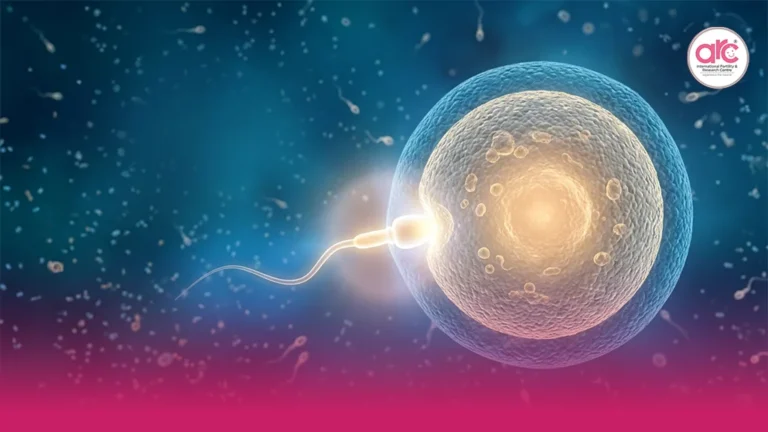
The reassuring answer is that sleeping on your stomach does not usually harm the embryo or push it out of the uterus. The embryo is microscopic, placed gently inside the uterine cavity, and protected within the body. It is not sitting loosely in a space where turning over in bed can dislodge it. Still, comfort and your doctor’s specific advice matter, especially if your ovaries are enlarged, your abdomen feels bloated, or you have symptoms after ovarian stimulation.
Why Your Sleeping Position Usually Does Not Affect the Embryo
During embryo transfer, the fertility specialist places the embryo into the uterus using a thin, soft catheter. Once inside, the embryo remains within the uterine environment. The uterus is a muscular organ located deep in the pelvis, protected by surrounding tissues. Normal sleeping positions, gentle walking, sitting, or turning in bed do not create enough force to remove or damage the embryo.
Many women imagine the embryo as something that may fall out if they stand, sneeze, cough, or sleep the wrong way. That fear is understandable, but it does not reflect how implantation works. Implantation depends more on embryo quality, endometrial receptivity, hormone support, uterine health, and timing than on whether you sleep on your back, side, or stomach.
At ARC Fertility Hospitals, patients are often reminded that the two-week wait should not become a period of complete physical fear. Rest is helpful when it improves comfort and reduces stress, but strict bed rest is not usually required unless your doctor has given a specific reason.
When Stomach Sleeping May Feel Uncomfortable
Although stomach sleeping is not expected to harm the embryo, it may not feel good for everyone after IVF. Some women have bloating, pelvic heaviness, breast tenderness, constipation, or mild cramps after stimulation and progesterone support. In such cases, lying on the stomach can create abdominal pressure and make discomfort worse.
This is especially relevant if your ovaries are still enlarged after egg retrieval. Enlarged ovaries may feel tender, and sudden twisting movements or pressure may be uncomfortable. If you had a high ovarian response, fluid retention, nausea, or significant abdominal bloating, you should follow your clinic’s advice carefully. You may also find it useful to understand why OHSS can happen after egg retrieval, because ovarian hyperstimulation symptoms can influence how comfortable different resting positions feel.
If lying on your stomach causes pain, tightness, dizziness, breathlessness, or worsening bloating, change position and contact your fertility team. The concern in such situations is usually your comfort and ovarian recovery, not direct harm to the embryo.
Best Sleeping Positions After Embryo Transfer
There is no single medically proven sleeping position that guarantees implantation. The best position is usually the one that allows you to sleep well without pain. Sleep itself supports general wellbeing, hormone balance, and emotional resilience during the waiting period.
Side sleeping
Many women find side sleeping most comfortable after embryo transfer, especially with a pillow between the knees. It reduces abdominal pressure and can feel calming if you have bloating or lower back discomfort.
Back sleeping
Sleeping on your back is also fine for most patients. You can place a pillow under your knees to ease pelvic or lower back tension. If you are used to back sleeping, there is no need to change it out of fear.
Stomach sleeping
If you naturally sleep on your stomach and feel no discomfort, accidentally doing so should not cause panic. However, if your abdomen feels sore after egg retrieval or you are at risk of OHSS, it may be wiser to avoid prolonged stomach sleeping until your doctor confirms recovery.
What Actually Matters More Than Sleep Position?
Patients often focus on posture because it feels controllable. But implantation is influenced by deeper biological factors. Your fertility doctor looks at embryo development, uterine lining thickness and pattern, hormone levels, medical history, and the transfer process itself.
For example, before reaching embryo transfer, couples may already have faced uncertainty around egg quality, sperm quality, fertilisation, or embryo growth. If you have ever worried about outcomes at earlier IVF stages, learning about failed fertilisation after egg retrieval can help you understand that IVF success depends on several carefully assessed steps, not one isolated action after transfer.
After transfer, the most important practical steps are usually simple: take your prescribed medicines on time, avoid smoking and alcohol, do not stop progesterone unless instructed, avoid heavy lifting or high-impact workouts, stay hydrated, and attend your scheduled pregnancy test. If your doctor has advised avoiding intercourse, swimming, long travel, or strenuous activity, follow that guidance because it is based on your individual treatment plan.
What If You Woke Up on Your Stomach?
If you woke up lying on your stomach after embryo transfer, take a breath. This alone is not a reason to assume the cycle has failed. Many women move during sleep without knowing it. The uterus does not work like an open container, and the embryo cannot simply be squeezed out by normal sleeping pressure.
Instead of replaying the moment in fear, gently shift into a comfortable position and continue your routine. The emotional burden of IVF can make small events feel enormous. A kinder approach is to ask, Did I have severe pain, bleeding, faintness, or significant swelling? If the answer is no, it is usually not an emergency. If the answer is yes, call your clinic.
Symptoms You Should Not Ignore After Embryo Transfer
Mild cramping, tiredness, breast tenderness, and light bloating can happen after transfer, often due to progesterone or the IVF process itself. These symptoms do not confirm pregnancy and do not confirm failure. However, some symptoms need medical attention.
Contact your fertility doctor if you have heavy bleeding, severe abdominal pain, persistent vomiting, shortness of breath, rapid weight gain, reduced urination, fever, or marked abdominal swelling. These symptoms may need evaluation, especially after ovarian stimulation.
How to Sleep Better During the Two-Week Wait
The two-week wait can be emotionally intense. Many women sleep poorly because they are scanning their body for signs. A practical bedtime routine can help. Keep your medicines near your bedside if doses are scheduled at night. Avoid late-night searching about every symptom. Use pillows to support your abdomen, knees, or lower back. Choose loose clothing, keep the room cool, and practise slow breathing if anxiety rises.
Most importantly, remind yourself that rest does not mean freezing your body in one position. Your body is designed to move, breathe, turn, and sleep. Fertility treatment asks a lot from you; it should not make you afraid of your own bed.
Final Takeaway
So, can sleeping on your stomach after embryo transfer harm the embryo? In most cases, no. Normal stomach sleeping does not damage the embryo, prevent implantation, or cause it to fall out. If it feels comfortable and your doctor has not advised otherwise, an occasional stomach-sleeping position is unlikely to be a problem.
However, if you have pain, enlarged ovaries, bloating, OHSS risk, or specific post-retrieval concerns, choose side or back sleeping for comfort and safety. When in doubt, speak to your fertility team at ARC Fertility Hospitals. Personalised guidance is always better than fear-based rules, especially during such a sensitive stage of IVF.