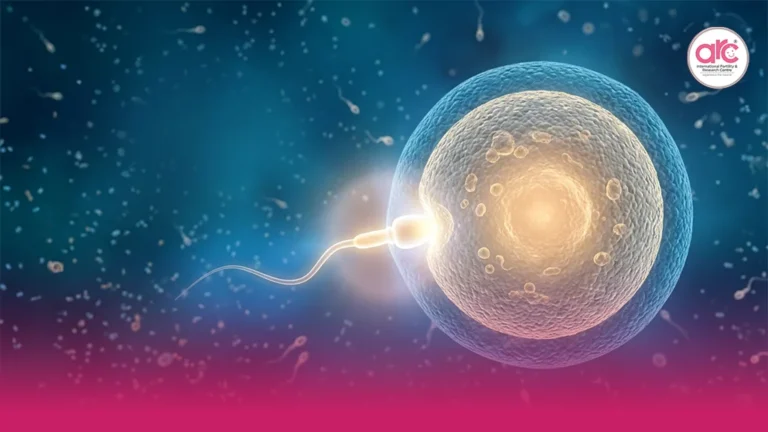
When a couple is trying to conceive, lifestyle questions often land first on the woman’s side: diet, ovulation, periods, weight, stress, sleep. But fertility is shared. A man’s hormones, sperm count, sperm movement, and sperm DNA quality all influence the chances of pregnancy.
So, can excessive exercise reduce a man’s testosterone and sperm count? In some men, yes. Exercise is usually good for reproductive health, but very intense training without enough rest, nutrition, or recovery can disturb the hormonal balance needed for healthy sperm production. This does not mean every gym routine is harmful. The concern is usually extreme or endurance-heavy exercise, especially when the body is under chronic physical stress.
For women seeking fertility information, this can be an important and sometimes sensitive conversation. If your partner is training hard while you are tracking cycles, planning intercourse, or considering fertility treatment, understanding the male side of fertility can help both of you make calmer, more informed decisions.
How exercise usually supports male fertility
Moderate, regular exercise is generally helpful for men. It can support healthy body weight, improve insulin sensitivity, reduce inflammation, improve blood flow, and help with mood and sleep. These changes can indirectly support testosterone production and sperm health.
Men who are inactive, overweight, or under high metabolic stress may benefit from a consistent routine that includes walking, strength training, cycling in moderation, swimming, or other balanced activity. In these situations, exercise is not the problem; it is often part of the solution.
The issue begins when training becomes excessive for that individual body. Fertility is not affected only by the number of hours spent exercising. It depends on intensity, recovery, calorie intake, body fat percentage, heat exposure, sleep, supplements, steroid use, and overall stress load.
Can excessive exercise reduce testosterone?
Testosterone is a key male hormone involved in sperm production, libido, muscle strength, mood, and energy. Very high training loads can sometimes reduce testosterone, particularly when the body feels it is in a state of long-term strain.
This may happen through several pathways. First, intense exercise without adequate calories can create an energy deficit. The body may begin prioritising survival and recovery over reproduction. Second, chronic overtraining can increase stress hormones such as cortisol, which may interfere with the hormone signals between the brain, pituitary gland, and testes. Third, poor sleep and insufficient rest days can blunt hormonal recovery.
Not every man with low testosterone will have obvious symptoms. Some may notice reduced sexual desire, fatigue, irritability, poor workout recovery, or reduced morning erections. Others may feel completely normal but show abnormalities on fertility testing.
How excessive training can affect sperm count
Sperm production takes time. A new sperm cycle usually takes around two to three months, which means lifestyle stress today may show up in semen parameters weeks later. This is why fertility doctors often look at recent illness, fever, training changes, heat exposure, medications, and lifestyle patterns when reviewing semen analysis results.
Excessive exercise may affect sperm count and quality by influencing:
- Hormonal signalling: Lower testosterone or disrupted reproductive hormones can reduce sperm production.
- Oxidative stress: Very intense exercise can increase free radical activity if recovery and antioxidants are inadequate.
- Body fat extremes: Very low body fat can affect hormone balance, while obesity can also impair fertility.
- Heat exposure: Tight athletic wear, long cycling sessions, saunas, hot baths, or prolonged heat around the testes may affect sperm production.
- Recovery debt: Chronic fatigue, poor sleep, and inadequate protein or micronutrient intake can weaken reproductive function.
Sperm count is only one part of the picture. Motility, morphology, semen volume, and sperm DNA integrity also matter. If a couple has been trying for some time, it can be useful to understand the difference between basic semen testing and deeper sperm quality assessment through resources such as semen analysis and sperm DNA fragmentation testing.
Which types of exercise may be more concerning?
Most men do not need to stop exercising while trying for a baby. But certain patterns deserve attention if fertility is delayed:
High-volume endurance training
Long-distance running, marathon training, triathlon preparation, or daily endurance sessions can become stressful when done at high volume without enough calories and rest. Some endurance athletes may develop lower testosterone levels or altered semen parameters, especially during intense training phases.
Excessive cycling
Cycling in moderation is not automatically harmful. But long hours on a narrow saddle, heat build-up, tight clothing, and pressure around the pelvic area may contribute to discomfort, increased scrotal temperature, or erectile and semen concerns in some men. Adjusting saddle fit, taking breaks, using padded shorts appropriately, and balancing cycling with other exercise may help.
Overtraining with poor nutrition
A man lifting heavy weights or doing daily high-intensity workouts while cutting calories aggressively may place his body under reproductive stress. Protein, healthy fats, zinc, selenium, folate, vitamin D, and overall energy intake matter for sperm production.
Anabolic steroid use
This is one of the most important issues to discuss honestly. Anabolic steroids and some testosterone supplements can significantly suppress natural sperm production. Many men assume testosterone treatment will improve fertility because it raises testosterone levels, but external testosterone can reduce the brain’s signal to the testes and may severely lower sperm count. Men trying to conceive should not take testosterone or bodybuilding hormones without medical guidance.
What signs suggest exercise may be affecting fertility?
There is no single symptom that proves exercise is lowering sperm count. However, couples should consider evaluation if the male partner has:
- Very intense training most days of the week with little recovery
- Persistent fatigue, poor sleep, or declining performance
- Low libido or erection concerns
- Recent rapid weight loss or very low body fat
- Frequent heat exposure from saunas, hot baths, or tight gear
- Use of testosterone injections, anabolic steroids, or unregulated supplements
- A history of abnormal semen analysis
- No pregnancy after 12 months of trying, or after 6 months if the woman is 35 or older
For many women, this stage can feel emotionally unfair. You may already be monitoring ovulation, timing intercourse, and carrying much of the mental load. It helps to frame male fertility testing not as blame, but as clarity. A semen analysis is usually simple, non-invasive, and often one of the earliest investigations recommended for couples.
How fertility doctors evaluate male fertility
At ARC Fertility Hospitals, male fertility assessment is approached with both medical detail and sensitivity. Doctors may begin with a history of trying duration, sexual function, lifestyle, exercise routine, medications, previous infections, surgeries, heat exposure, and supplement use.
A semen analysis usually checks sperm concentration, total count, motility, morphology, volume, and other semen features. If results are abnormal, the test may be repeated because sperm parameters can fluctuate. Depending on the case, doctors may advise hormone testing, physical examination, ultrasound, genetic testing, or sperm DNA fragmentation testing.
The goal is not to tell men to stop being active. It is to identify whether the current training pattern is helping or harming the couple’s fertility plan. In some cases, small changes over two to three months can improve semen parameters. In others, medical treatment, lifestyle correction, IUI, IVF, or ICSI may be discussed based on the complete fertility picture.
What changes may help sperm recovery?
If excessive exercise is suspected, the first step is balance rather than fear. Sperm health often responds better to steady correction than sudden extremes.
- Reduce training intensity temporarily: Replace some high-intensity sessions with moderate exercise, walking, mobility work, or rest.
- Prioritise recovery: Aim for adequate sleep and at least one or two rest or low-load days weekly.
- Eat enough: Avoid aggressive dieting while trying to conceive. Healthy fats and micronutrients are important for hormone production.
- Avoid heat around the testes: Limit hot tubs, saunas, laptop heat on the lap, and very tight clothing.
- Review supplements: Stop unregulated muscle-building products and speak to a fertility specialist about anything hormonal.
- Give it time: Because sperm production takes roughly three months, improvements are usually assessed after a reasonable interval.
Women should also know that intense exercise can affect female reproductive patterns in some cases. If you are wondering about your own cycle, missed periods, or ovulation changes, ARC’s guide on whether too much exercise can stop ovulation may help you look at both partners’ health together.
When should a couple seek fertility advice?
You do not need to wait until exercise becomes a clear problem. Fertility evaluation is reasonable if you have been trying for 12 months and the woman is under 35, or after 6 months if she is 35 or older. Earlier consultation is sensible if there are irregular periods, known PCOS, endometriosis, previous pelvic infection, recurrent miscarriage, male sexual health concerns, testicular surgery, steroid use, or a previous abnormal semen test.
A consultation can also reduce unnecessary anxiety. Sometimes semen results are reassuring. Sometimes they reveal an issue that can be corrected. And sometimes they help the doctor choose the right treatment path sooner, instead of letting the woman go through repeated cycles of uncertainty alone.
The balanced answer
So, can excessive exercise reduce a man’s testosterone and sperm count? Yes, it can in some men, especially when intense training is combined with low calorie intake, poor sleep, overtraining, heat exposure, or hormone misuse. But exercise itself is not the enemy. Moderate, sustainable activity is usually good for male fertility.
If you and your partner are trying to conceive, the most helpful approach is not blame or panic. It is shared evaluation. Male fertility testing can provide important answers, and small lifestyle changes may support better sperm production over time. ARC Fertility Hospitals can help couples understand both female and male factors with clarity, privacy, and evidence-based care, so decisions feel less confusing and more guided.