Can You Get Pregnant Without Ovulating Every Month?
If your periods are irregular or you have been told that you may not ovulate every month, it is natural to wonder what this means for pregnancy. The simple answer is: you cannot get pregnant in a cycle where ovulation does not happen, because pregnancy needs an egg to be released. But the more human answer is a little more hopeful and more practical. If you ovulate only sometimes, pregnancy may still be possible in the months when an egg is released, especially because ovulation can be unpredictable.
Many women assume that a monthly period always means monthly ovulation. That is not always true. Some cycles may involve bleeding without the release of an egg. Other times, ovulation may happen later than expected, making it difficult to identify the fertile window. This is why women with irregular cycles may feel confused: one month may feel normal, the next may be delayed, and fertility signs may not be easy to read.
Why Ovulation Matters for Pregnancy
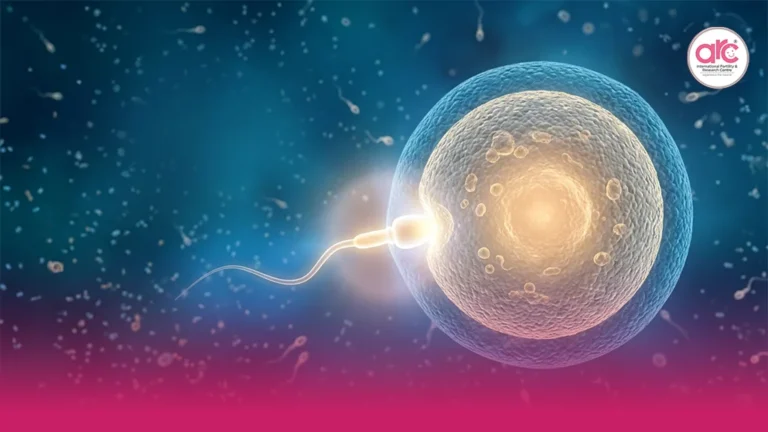
Ovulation is the process where the ovary releases a mature egg. This egg is available for fertilisation for about 12 to 24 hours. Sperm, however, can survive inside the reproductive tract for up to five days. That means intercourse before ovulation can still lead to pregnancy if sperm are present when the egg is released.
When ovulation does not occur, there is no egg for sperm to fertilise. So, pregnancy cannot begin in that particular cycle. However, if you do not ovulate every month but still ovulate occasionally, pregnancy can happen during one of those ovulatory cycles. This is why women with irregular ovulation may conceive naturally, but it may take longer and feel less predictable.
What Does It Mean If You Do Not Ovulate Every Month?
Not ovulating every month is called irregular ovulation or anovulation, depending on how often it occurs. A one-off missed ovulation can happen because of stress, illness, sudden weight changes, intense exercise, or travel. But if cycles are frequently irregular, very long, very short, or absent, it may point to an underlying hormonal issue.
Common causes include polycystic ovary syndrome, thyroid imbalance, high prolactin levels, low body weight, obesity, perimenopause, diminished ovarian reserve, or premature ovarian insufficiency. Sometimes the issue is not the ovary itself but the hormonal signals from the brain that tell the ovary when to mature and release an egg.
This is why fertility specialists do not look only at period dates. They try to understand the complete hormonal pattern, ovarian reserve, ultrasound findings, lifestyle factors, and how long you have been trying to conceive.
Signs You May Not Be Ovulating Regularly
Some women notice obvious signs, while others do not. Possible signs include cycles longer than 35 days, periods that come unpredictably, skipped periods, very light or unusually heavy bleeding, difficulty identifying cervical mucus changes, consistently negative ovulation predictor kits, or no rise in basal body temperature after the expected fertile window.
Still, home tracking has limits. Ovulation kits detect a hormone surge, but they do not always confirm that the egg was actually released. This can happen in conditions like PCOS, where luteinising hormone may be persistently high or surge-like patterns may occur without regular ovulation. If you are trying to conceive, repeated uncertainty can become emotionally exhausting. That is often the point where medical evaluation becomes helpful, not because something is necessarily wrong, but because you deserve clarity.
Can You Still Get Pregnant Naturally?
Yes, if you ovulate sometimes, natural pregnancy can still happen. The challenge is timing. In a regular 28-day cycle, ovulation may happen around the middle of the cycle, though even that varies. In irregular cycles, ovulation may happen much later, or not at all. This makes it harder to know when intercourse is most likely to be effective.
If you are under 35 and have been trying for 12 months, or over 35 and trying for six months, a fertility consultation is usually recommended. You should consider seeing a doctor earlier if your periods are absent, very irregular, painful, associated with acne or excess hair growth, or if you have a known condition such as PCOS, thyroid disease, endometriosis, or previous ovarian surgery.
How Doctors Check Whether You Are Ovulating
A fertility evaluation is usually step-by-step. Your doctor may ask about cycle length, bleeding pattern, weight changes, medications, acne, hair growth, stress, and past pregnancies. Blood tests may include thyroid function, prolactin, AMH, FSH, LH, estradiol, progesterone, and sometimes androgen levels. A pelvic ultrasound can assess the ovaries, follicle development, uterine lining, and features suggestive of PCOS.
One commonly used method is a mid-luteal progesterone blood test. In a typical cycle, this is checked about seven days after ovulation, not necessarily day 21 for everyone. If your cycles are irregular, the timing may need to be adjusted. Ultrasound follicular monitoring can also show whether a follicle is growing and whether ovulation is likely to occur.
Treatment Options If You Do Not Ovulate Every Month
Treatment depends on the cause. If thyroid or prolactin levels are abnormal, correcting those may restore ovulation. If PCOS is involved, treatment may include weight optimisation where needed, metabolic assessment, and ovulation induction medicines. Letrozole is commonly used for ovulation induction in many women with PCOS, while clomiphene may be considered in selected cases. These medicines should be taken under medical supervision because response can vary and monitoring helps reduce risks.
In some cases, timed intercourse with follicle monitoring is enough. In others, intrauterine insemination may be advised, especially if timing is difficult or semen parameters are mildly affected. IVF may be recommended when there are additional factors such as blocked fallopian tubes, severe male factor infertility, advanced age, low ovarian reserve, endometriosis, or repeated unsuccessful simpler treatments.
IVF is not the first answer for every woman with irregular ovulation, but it can be the right option in selected situations. It also brings its own questions, such as egg maturity, fertilisation, embryo development, and ovarian response. For example, some couples want to understand fertilisation problems after egg retrieval, while others may worry about stimulation-related risks and ask why OHSS can happen after egg retrieval. A good fertility team should explain these possibilities clearly without creating fear.
Does Irregular Ovulation Affect Miscarriage Risk?
Irregular ovulation itself does not automatically mean miscarriage will happen. However, the conditions linked to irregular ovulation may influence pregnancy health. For example, thyroid imbalance, uncontrolled diabetes, obesity, or certain hormonal problems can affect conception and early pregnancy. This is why preconception evaluation matters. The goal is not only to help an egg release, but also to support a healthier environment for implantation and pregnancy.
When Should You Seek Help?
You do not need to wait until you feel desperate. If your cycles are consistently irregular, if you get fewer than eight periods a year, or if you are unsure whether ovulation is happening, it is reasonable to speak with a fertility specialist. Early evaluation can often prevent months of guesswork.
At ARC Fertility Hospitals, the approach is to first understand why ovulation is irregular, then choose the least invasive effective option where possible. For one woman, that may mean correcting hormones and tracking ovulation. For another, it may mean ovulation induction. For someone else, IVF may offer a clearer path. The right treatment is not based on anxiety or assumptions; it is based on age, diagnosis, ovarian reserve, sperm health, fallopian tube status, and how long conception has been delayed.
The Bottom Line
So, can you get pregnant without ovulating every month? You cannot get pregnant in a cycle without ovulation, but you may still conceive if you ovulate occasionally. The key issue is not just whether you have periods, but whether an egg is being released and whether timing, hormones, tubes, sperm, and the uterus are working together.
If your cycle feels unpredictable, do not blame yourself and do not rely only on apps to give answers. Irregular ovulation is common, treatable in many cases, and worth evaluating with care. With the right diagnosis and a personalised plan, many women move from uncertainty to a clearer, more confident fertility journey.