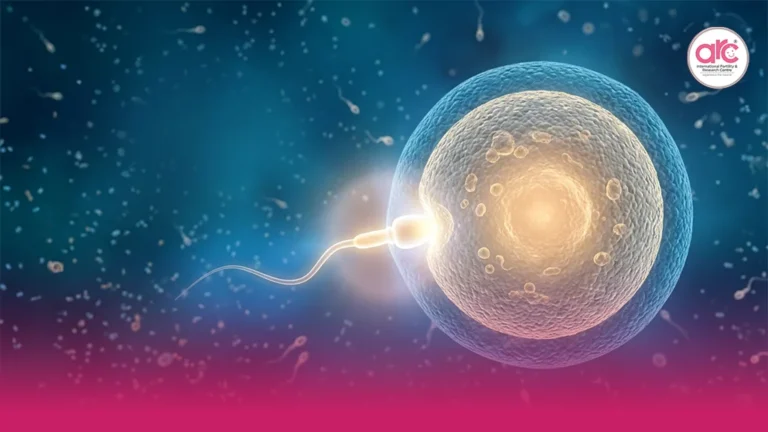
It is a question many women ask when their body seems to give mixed signals: Can you ovulate twice in one menstrual cycle? Maybe you noticed egg-white cervical mucus twice, had ovulation pain on two different days, or received more than one positive ovulation test. When you are trying to conceive, every sign feels important, and it is natural to wonder whether your body is giving you two chances in the same month.
The short answer is: you usually do not ovulate twice at two separate times in one menstrual cycle. However, you can release more than one egg during the same ovulation window. This is different from ovulating once, then ovulating again several days later. Understanding this difference can reduce confusion and help you time intercourse or fertility treatment more confidently.
What Actually Happens During Ovulation?
In a typical menstrual cycle, several follicles begin growing in the ovaries. Usually, one follicle becomes dominant and releases one mature egg. This release is called ovulation. The egg then survives for about 12 to 24 hours, while sperm can live in the female reproductive tract for up to several days. That is why the fertile window begins before ovulation, not just on the day of ovulation.
Once ovulation happens, the body produces more progesterone. Progesterone helps prepare the uterine lining and also signals the brain and ovaries not to trigger another ovulation in the same cycle. This hormone shift is one reason a second separate ovulation days later is unlikely in a natural cycle.
Can Two Eggs Be Released in One Cycle?
Yes. Sometimes two or more eggs may be released within the same ovulation window, usually close together in time. This can happen naturally, and it is the reason fraternal twins may occur. In this situation, the body has not ovulated twice on two different weeks. Instead, more than one follicle has released an egg during the same hormonal event.
This distinction matters. If you are tracking ovulation and see symptoms over a few days, it may feel like two separate ovulations. But clinically, doctors usually view it as one ovulatory phase unless there is clear evidence otherwise through ultrasound monitoring.
Why Does It Feel Like Ovulation Is Happening Twice?
Many ovulation signs are useful, but they are not perfect. Cervical mucus, mild pelvic pain, breast tenderness, bloating, and libido changes can appear before, during, or even after ovulation. Stress, travel, illness, sleep disruption, thyroid imbalance, PCOS, and hormonal fluctuations can also change the pattern of symptoms.
Ovulation predictor kits can add to the confusion. These tests detect LH, the hormone that rises before ovulation. Some women may have more than one LH rise in a cycle, especially if the body prepares to ovulate but does not release an egg immediately. A later LH surge may then occur before actual ovulation. In PCOS, LH levels may also be persistently high, which can make ovulation tests look positive more often than expected.
If hydration, lifestyle habits, and cervical mucus tracking are part of your conception routine, it may also help to understand practical basics such as how hydration supports trying to conceive. Small habits do not replace medical evaluation, but they can support overall reproductive health.
Does Bleeding Mean a Second Ovulation?
Not necessarily. Some women notice light spotting around ovulation because of temporary hormonal changes. Others may confuse mid-cycle bleeding with a period, especially if their cycles are irregular. If bleeding occurs and then fertile mucus appears again, it can seem like a new cycle has started or that ovulation is repeating.
However, spotting, breakthrough bleeding, implantation bleeding, cervical irritation, fibroids, polyps, thyroid issues, and hormonal imbalance can all cause bleeding at unexpected times. If bleeding is heavy, painful, recurrent, or occurs after a positive pregnancy test, it should be medically assessed.
How Doctors Confirm Whether You Ovulated
Home tracking is helpful, but it cannot always confirm ovulation with certainty. Fertility specialists may use ultrasound follicular monitoring to see follicle growth and rupture. They may also check progesterone levels about seven days after suspected ovulation. In some cases, hormone tests for AMH, FSH, LH, thyroid function, prolactin, and blood sugar may be advised, especially if cycles are irregular.
This is where expert interpretation becomes important. A woman with regular 28-day cycles, a clear LH surge, and predictable periods may need simple timing advice. A woman with irregular cycles, repeated positive ovulation tests, or months of trying without pregnancy may need a deeper evaluation. If you are comparing care options and looking for the Best Fertility Hospital in Chennai, the goal should be to choose a team that explains the reason behind each test, not just the test itself.
Does Releasing Two Eggs Improve Pregnancy Chances?
Releasing more than one egg may increase the possibility of conception in some situations, but it also increases the chance of multiple pregnancy. Twins may sound exciting, but multiple pregnancies carry higher risks, including preterm birth, gestational diabetes, high blood pressure, and neonatal complications. In fertility care, the aim is not simply to produce more eggs; it is to create the safest possible chance of a healthy pregnancy.
This is especially relevant in ovulation induction, IUI, and IVF. Medications may stimulate the ovaries to develop more than one follicle. Doctors monitor follicle number and size carefully because too many mature follicles can increase risk. Sometimes a cycle may be cancelled or converted depending on safety and clinical judgement.
IUI, IVF, and the Question of Timing
Many women ask about double ovulation because they are trying to decide whether timed intercourse, IUI, or IVF is right for them. If ovulation is happening regularly and tubes are open, timed intercourse or IUI may be considered depending on age, semen parameters, duration of infertility, and previous pregnancy history. If there are blocked tubes, severe male factor infertility, low ovarian reserve, advanced reproductive age, or repeated IUI failure, IVF may be more appropriate.
IVF is different because eggs are collected directly from stimulated follicles before natural ovulation occurs. The cycle is carefully timed with injections, scans, hormone monitoring, trigger medication, egg retrieval, fertilisation, and embryo transfer. Success depends on many factors, including age, egg quality, sperm quality, embryo development, uterine health, and underlying diagnosis. No ethical clinic can guarantee pregnancy, but a well-planned evaluation can improve decision-making.
At a Fertility Hospital in Chennai, patients often come in with one concern, such as confusing ovulation symptoms, and discover that the real question is broader: Are eggs being released regularly? Is sperm health adequate? Are the fallopian tubes open? Is the uterine lining receptive? Fertility care becomes clearer when these pieces are studied together.
Age and Ovulation: Why It Matters
Age does not usually make a woman ovulate twice, but it does affect egg number and egg quality. As ovarian reserve declines, cycles may become shorter or more variable. Some women in their late 30s or early 40s notice changes in flow, cycle length, or premenstrual symptoms. These changes do not always mean infertility, but they are worth discussing if pregnancy is the goal.
If you are over 35 and have been trying for six months, or under 35 and trying for one year, a fertility consultation is usually recommended. Earlier evaluation is advised if cycles are very irregular, periods are absent, there is known endometriosis, PCOS, previous pelvic infection, miscarriage history, or male factor concerns.
Cost Concerns: When Is Testing Worth It?
Many couples delay consultation because they worry that seeing a fertility specialist automatically means IVF and high cost. In reality, the first step is often basic evaluation. Sometimes the answer is ovulation tracking, lifestyle correction, thyroid treatment, semen analysis, or timed intercourse guidance. Sometimes IUI is enough. Sometimes IVF is the most logical path, especially when waiting may reduce the chance of success.
A good fertility plan should explain why a test is needed, what decision it will help make, and whether simpler options are reasonable before advanced treatment. Cost should be discussed transparently, including medicines, scans, procedures, lab charges, and possible repeat cycles.
When Should You See a Fertility Doctor?
You should consider medical advice if your cycles are shorter than 21 days, longer than 35 days, frequently unpredictable, or absent. Also seek help if ovulation tests are repeatedly positive, never positive, or difficult to interpret. Painful periods, heavy bleeding, bleeding between periods, known PCOS, endometriosis, or difficulty conceiving should not be ignored.
The reassuring truth is that confusing ovulation signs are common. Your body may not be failing; it may simply need clearer interpretation. With ultrasound monitoring, hormone testing, and a personalised fertility plan, you can move from guessing to understanding. And when you understand your cycle, you make calmer, better-timed decisions.
Final Takeaway
So, can you ovulate twice in one menstrual cycle? In most natural cycles, you do not ovulate twice at two separate times. But you may release more than one egg within the same ovulation window. Symptoms, LH surges, spotting, and irregular hormones can make it feel as if ovulation is happening twice.
If you are trying to conceive, do not rely only on symptoms or app predictions. Track your cycle, observe patterns, and seek evaluation when things feel unclear. Fertility care is not about creating fear; it is about replacing uncertainty with evidence, timing, and the right next step for your body.