Does drinking coffee affect your chances of implantation?
Does coffee affect implantation? This is one of the most common questions women ask when trying to conceive naturally or through IVF. It becomes a question. You may find yourself holding a cup and wondering whether this small daily comfort could affect ovulation, egg quality, embryo implantation, or an IVF cycle. The honest answer is reassuring but not careless: moderate coffee intake is unlikely to be the single reason implantation succeeds or fails, but high caffeine intake may not be ideal when your body is preparing for pregnancy.
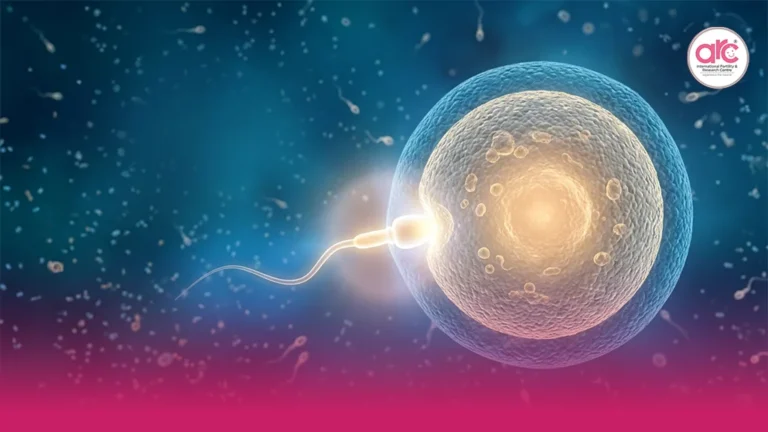
Implantation is a delicate biological process. A fertilised egg, or embryo in an IVF cycle, must reach the uterus, attach to a receptive uterine lining, and continue developing with the right hormonal support. Coffee does not directly enter the uterus and prevent implantation. But caffeine can influence the body in indirect ways, such as sleep quality, stress response, blood pressure, acidity, and sometimes hormonal balance. That is why fertility doctors usually focus less on one cup of coffee and more on your total daily caffeine pattern.
How caffeine may matter during conception
Caffeine is a stimulant. It can make you feel alert, but it can also increase heart rate, worsen anxiety, disturb sleep, and cause dehydration-like symptoms if it replaces water. When you are trying to conceive, these effects may matter because the reproductive system does not work separately from the rest of the body. Poor sleep can affect hormones. High stress can make the waiting period feel unbearable. Excess caffeine may also worsen gastric discomfort, which is common during fertility medications or early pregnancy.
Most fertility specialists advise women who are trying naturally, undergoing IUI, or preparing for IVF to keep caffeine intake modest. A practical benchmark often used is around 200 mg of caffeine per day or less. This is roughly one regular brewed coffee, though the exact amount varies widely depending on cup size, brewing method, brand, and strength. Tea, green tea, cola, energy drinks, chocolate, and some headache medicines can also add to the total.
The problem is not usually one small coffee. It is the combination of large mugs, repeated refills, energy drinks, poor sleep, and anxiety. If coffee is being used to compensate for exhaustion, your body may be asking for a broader reset rather than only a caffeine calculation.
Does coffee affect IVF implantation differently?
During IVF, many women become extremely cautious because every step feels precious. This is understandable. After injections, scans, egg retrieval, fertilisation updates, embryo transfer, and the two-week wait, it is natural to want control over every detail. However, implantation after IVF depends on multiple factors: embryo quality, uterine lining receptivity, progesterone support, age, ovarian reserve, sperm quality, medical conditions, and previous treatment history.
Coffee alone is rarely the deciding factor. Still, because IVF is emotionally and financially significant, doctors may recommend reducing caffeine before stimulation and continuing moderation after embryo transfer. This is not because one sip is dangerous. It is because a consistent, low-risk lifestyle helps remove avoidable stressors during a sensitive phase.
If you are unsure what matters before treatment, understanding the tests done before IVF can be more useful than blaming one food or drink. Blood tests, ultrasound assessment, semen analysis, uterine evaluation, and medical history often reveal more about implantation chances than diet alone.
What about coffee during the two-week wait?
The two-week wait can make even ordinary choices feel risky. Many women ask whether they should stop coffee completely after ovulation, IUI, or embryo transfer. If you already drink several cups daily, suddenly stopping may cause headaches, irritability, and fatigue. A gentler approach is usually better: reduce gradually before treatment or before ovulation, switch to a smaller cup, choose half-caffeinated options, or replace one cup with milk, herbal drinks approved by your doctor, or warm water.
After embryo transfer, the goal is not perfection. The goal is steadiness. Take prescribed medicines on time, avoid smoking and alcohol, keep caffeine modest, eat balanced meals, stay hydrated, and do not over-test too early. Implantation cannot be forced by bed rest, and it is not usually ruined by walking, laughing, climbing stairs, or drinking one small coffee.
When caffeine may be more concerning
Caffeine reduction becomes more important if you are drinking large amounts every day, relying on energy drinks, sleeping poorly, experiencing palpitations, having uncontrolled thyroid issues, high blood pressure, severe anxiety, recurrent pregnancy loss, or repeated implantation failure. In such situations, doctors may look at the bigger picture and suggest a more personalised plan.
Age also matters. For women above 35, implantation concerns are often more closely linked to egg quality and embryo chromosomal health than to coffee. For women with PCOS, endometriosis, fibroids, thin endometrium, or irregular ovulation, the main priority is diagnosis and treatment planning. Coffee may be adjusted, but it should not distract from medical evaluation.
At ARC Fertility Hospitals, many women arrive after months of searching for answers and comparing treatment options. Some come after looking for the Best Fertility Hospital in Chennai, while others simply want someone to explain whether their daily habits are helping or hurting. A good consultation should not frighten you about coffee; it should help you understand your actual fertility picture.
IUI, IVF, and the coffee question
If you are trying naturally and have regular cycles, mild caffeine intake is usually discussed as part of general preconception care. If you are undergoing IUI, timing, ovulation quality, tube health, and sperm parameters often matter more. If IVF is recommended, embryo development, stimulation response, uterine lining, and transfer planning become central. You can learn more about how IVF treatment works if you are trying to understand why doctors move from tablets or IUI to IVF in certain cases.
This is also where cost concerns enter the conversation. Many couples worry that one wrong lifestyle choice could waste a cycle. That fear is emotionally heavy. But IVF outcomes are not decided by one cup of coffee. The better approach is to ask your fertility team what you can realistically control: medication timing, follow-up scans, semen sample instructions, progesterone use, lifestyle habits, and when to test.
How much coffee is reasonable when trying to conceive?
A simple, patient-friendly plan is to limit coffee to one small or regular cup a day, avoid very strong brews, skip energy drinks, and count other caffeine sources. If you are used to three or four cups, reduce step by step over one to two weeks. This prevents withdrawal and makes the change easier to maintain. If you do not drink coffee, there is no fertility reason to start. If coffee worsens anxiety during the two-week wait, it may be kinder to your mind to reduce it further.
Also pay attention to what comes with coffee. Too much sugar, skipping breakfast, drinking coffee instead of water, or using caffeine to push through poor sleep may affect your wellbeing more than the coffee itself. Fertility care is not about punishing yourself. It is about creating a body environment that supports treatment while keeping you emotionally stable.
When should you speak to a fertility specialist?
If you are under 35 and have been trying for 12 months, or over 35 and trying for 6 months, it is sensible to seek evaluation. You should consult earlier if you have irregular periods, known PCOS, endometriosis, fibroids, previous pelvic infection, recurrent miscarriage, low AMH, or a male factor concern. In these cases, asking only about coffee may delay answers that proper testing can provide.
A consultation at a Fertility Hospital in Chennai can help you separate everyday worries from medically important issues. Coffee may be part of the discussion, but it should sit alongside ovulation tracking, hormone testing, ultrasound findings, semen analysis, uterine health, treatment duration, and realistic success expectations.
The bottom line
So, does coffee affect implantation? Current evidence suggests that moderate coffee consumption is unlikely to prevent implantation, but excessive caffeine intake may not support fertility goals.
Drinking coffee in moderation is unlikely to completely stop implantation. But high caffeine intake, poor sleep, and stress-driven habits may not support your fertility journey well. If you are trying to conceive or preparing for IVF, aim for a modest daily caffeine limit, reduce gradually if needed, and discuss your personal situation with your fertility doctor. Most importantly, do not blame yourself for every small choice. Implantation is complex, and good fertility care should give you clarity, not guilt.