Waiting for a missed period can feel much longer than it sounds, especially when you are actively trying to conceive. Many women notice every small body change during this time—slight cramping, breast tenderness, tiredness, or a change in discharge—and wonder whether it means pregnancy or just premenstrual symptoms.
The truth is that the earliest symptoms of pregnancy before a missed period can be real, but they are often subtle and easy to confuse with PMS. Some women feel clear changes within days of implantation, while others feel nothing at all until after their period is late. Both experiences can be normal.
At ARC Fertility Hospitals, doctors often remind couples that early symptoms can give clues, but they cannot confirm pregnancy on their own. Understanding why these symptoms happen can help you respond calmly instead of feeling trapped between hope and anxiety.
Why Pregnancy Symptoms Can Appear Before a Missed Period
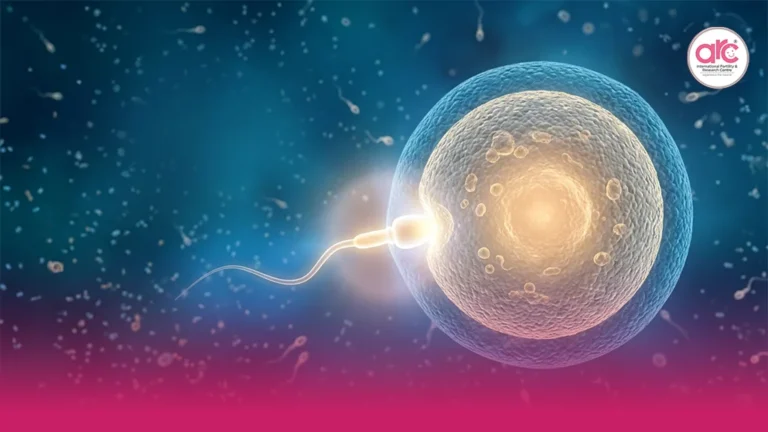
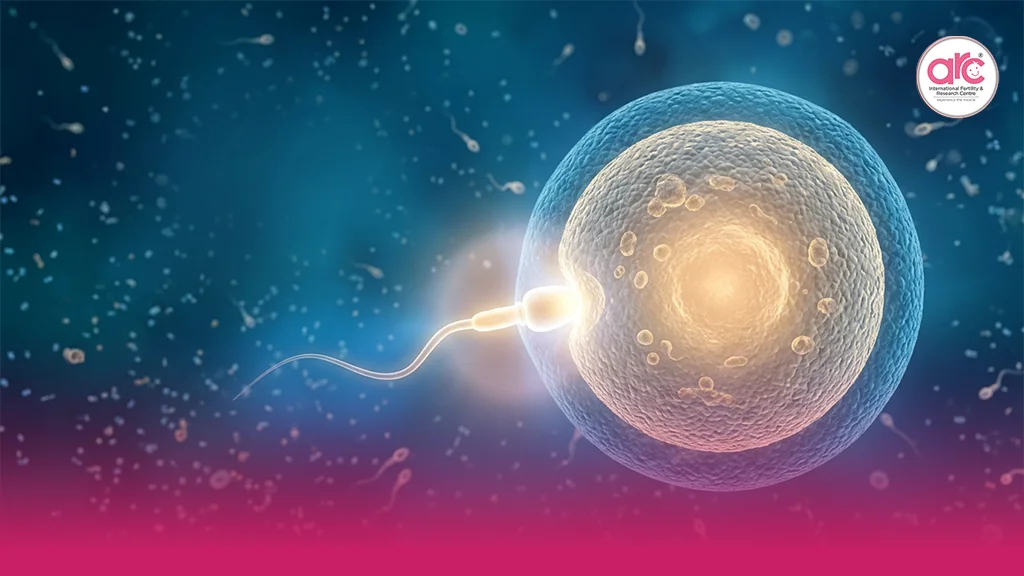
After ovulation, if sperm fertilises the egg, the embryo travels through the fallopian tube and reaches the uterus. Implantation usually happens about 6 to 10 days after ovulation. Once implantation begins, the body starts producing human chorionic gonadotropin, commonly called hCG, the hormone detected by pregnancy tests.
Before hCG rises enough to show clearly on a home test, progesterone is already high. Progesterone supports the uterine lining, but it can also cause symptoms such as bloating, sleepiness, breast soreness, and mood changes. This is why early pregnancy and PMS can feel almost identical.
For women undergoing fertility treatment, this “two-week wait” can feel even more emotionally loaded. Medications used in ovulation induction, IUI, or IVF may also mimic pregnancy-like symptoms. So, while body awareness is useful, testing at the right time is still important.
Common Early Pregnancy Symptoms Before a Missed Period
1. Breast Tenderness or Heaviness
One of the earliest signs some women notice is breast soreness, fullness, or sensitivity around the nipples. This happens because progesterone and estrogen begin preparing breast tissue for pregnancy. However, breast tenderness is also common before periods, so it is not a definite sign by itself.
2. Mild Cramping or Pulling Sensation
Some women describe mild lower abdominal cramps, pulling, or a dull ache around implantation time. Implantation-related cramping is usually lighter than menstrual cramps and does not keep worsening. If pain is severe, one-sided, or associated with heavy bleeding, it needs medical attention.
3. Light Spotting
Light pink or brown spotting may happen when the embryo attaches to the uterine lining. This is often called implantation bleeding. It is usually lighter and shorter than a normal period. Still, spotting can have many causes, including hormonal changes, cervical irritation, or an early period. If you are unsure, especially after fertility treatment, speaking to your doctor is safer than guessing. You may also find it helpful to understand when early pregnancy bleeding may be normal or concerning.
4. Unusual Tiredness
Feeling unusually sleepy or drained can happen early because progesterone has a calming, sedative-like effect on the body. Some women feel tired even before a missed period, despite sleeping normally. But tiredness can also come from stress, poor sleep, thyroid imbalance, anemia, or fertility medications.
5. Nausea or Food Sensitivity
Classic morning sickness usually appears a little later, often around 5 to 6 weeks of pregnancy. But some women notice early food aversions, a metallic taste, increased smell sensitivity, or mild nausea before their period is due. This symptom is more suggestive when it feels unusual for your normal cycle.
6. Frequent Urination
In early pregnancy, hormonal changes and increased blood flow to the pelvic region may make some women urinate more often. Before a missed period, this symptom is usually mild. Burning, pain, fever, or urgency may point to a urinary infection and should be checked.
7. Bloating and Constipation
Progesterone slows digestion, which can lead to bloating, gas, or constipation. This is also a very common PMS symptom, so it is best interpreted along with other signs and test timing.
8. Mood Changes
Feeling emotional, irritable, tearful, or unusually sensitive can happen due to hormone shifts. But when you are trying to conceive, emotions are not only hormonal. The waiting, previous disappointments, family pressure, and fear of another negative test can all intensify how the body feels.
Symptoms That Are Often Mistaken for Pregnancy
Many women worry when symptoms disappear suddenly or when they feel nothing at all. But the absence of symptoms before a missed period does not mean you are not pregnant. Similarly, strong symptoms do not guarantee pregnancy.
PMS, stress, irregular ovulation, thyroid problems, PCOS, luteal phase hormonal changes, and fertility medicines can all create pregnancy-like signs. This is why doctors avoid diagnosing pregnancy based only on symptoms. A urine or blood test gives clearer information.
When Should You Take a Pregnancy Test?
A home pregnancy test is usually more reliable from the first day of a missed period. Testing too early may show a negative result even if pregnancy has occurred because hCG may still be low.
If you are tracking ovulation, testing around 12 to 14 days after ovulation gives a better chance of accuracy. If you had IUI or IVF, follow the test date given by your fertility specialist. Testing early after trigger injections can sometimes give confusing results because the injection may contain hCG.
A blood beta-hCG test is more sensitive than a urine test and is commonly used in fertility clinics. If the first value is positive, doctors may repeat it after 48 hours to see whether it is rising appropriately. This pattern is often more useful than a single number.
What If You Have Symptoms but the Test Is Negative?
If your test is negative before your missed period, wait two to three days and test again if your period has not started. Early testing is one of the most common reasons for false-negative results.
If your periods are irregular, you may have ovulated later than expected. In that case, your “missed period” may not truly be late yet. Women with PCOS or variable cycles often need more careful ovulation tracking to avoid confusion.
If your period is delayed repeatedly, or if you have been trying to conceive for 12 months under age 35, or 6 months if you are 35 or older, a fertility evaluation is sensible. It does not mean IVF is the next step for everyone. Often, doctors begin with ovulation assessment, hormone tests, ultrasound, semen analysis, and tubal evaluation before recommending treatment.
IUI, IVF, and Early Symptoms: Why the Wait Feels Different
After IUI or IVF, many women look for signs of success very early. But progesterone support, ovarian stimulation, and the emotional intensity of treatment can cause breast soreness, bloating, cramps, and fatigue. These symptoms may happen whether or not implantation has occurred.
That is why fertility specialists usually advise patients not to change medicines or stop support based on symptoms. Continue medicines as prescribed and test only on the advised date. If you are confused about treatment options or whether your symptoms need medical review, consulting a centre such as Best Fertility Hospital in Chennai can help you receive personalised guidance instead of relying on guesswork.
When Should Early Symptoms Be Checked Immediately?
Most early symptoms are mild. But certain signs should not be ignored. Seek medical care if you have heavy bleeding, severe abdominal pain, shoulder-tip pain, dizziness, fainting, fever, or one-sided pelvic pain. These symptoms need evaluation, especially if pregnancy is possible.
Also speak to a doctor if you have a history of ectopic pregnancy, recurrent miscarriage, fertility treatment cycles, or known tubal disease. Early monitoring can make a meaningful difference in safety and clarity.
How to Stay Calm During the Two-Week Wait
The days before a missed period can be emotionally difficult. Try to avoid repeated testing from very early days, as it often increases anxiety. Keep your routine steady, eat normally, stay hydrated, and avoid making major conclusions from every sensation.
If you are actively trying to conceive, it can help to track cycles, ovulation dates, intercourse timing, and symptoms without becoming obsessive. If you are planning pregnancy, simple habits like adequate fluids, balanced meals, sleep, and folic acid supplementation may support general reproductive health. For women wondering about daily hydration while trying, ARC has also explained how much water may be helpful when trying to conceive.
Final Thoughts
The earliest symptoms of pregnancy before a missed period may include breast tenderness, mild cramping, spotting, fatigue, nausea, bloating, mood changes, and frequent urination. But these signs are not proof of pregnancy. The most reliable next step is testing at the right time and seeking medical advice when symptoms are unusual or cycles are irregular.
If you are trying to conceive and feel unsure about your symptoms, timelines, or fertility options, ARC Fertility Hospitals offers evaluation and treatment planning based on your age, cycle history, ovarian reserve, sperm health, and previous pregnancy journey. A trusted Fertility Hospital in Chennai can help you move from anxious waiting to informed decision-making, without unnecessary pressure or false promises.
Earliest Symptoms of Pregnancy Before a Missed Period
Waiting for a missed period can feel much longer than it sounds, especially when you are actively trying to conceive. Many women notice every small body change during this time—slight cramping, breast tenderness, tiredness, or a change in discharge—and wonder whether it means pregnancy or just premenstrual symptoms.
The truth is that the earliest symptoms of pregnancy before a missed period can be real, but they are often subtle and easy to confuse with PMS. Some women feel clear changes within days of implantation, while others feel nothing at all until after their period is late. Both experiences can be normal.
At ARC Fertility Hospitals, doctors often remind couples that early symptoms can give clues, but they cannot confirm pregnancy on their own. Understanding why these symptoms happen can help you respond calmly instead of feeling trapped between hope and anxiety.
Why Pregnancy Symptoms Can Appear Before a Missed Period
After ovulation, if sperm fertilises the egg, the embryo travels through the fallopian tube and reaches the uterus. Implantation usually happens about 6 to 10 days after ovulation. Once implantation begins, the body starts producing human chorionic gonadotropin, commonly called hCG, the hormone detected by pregnancy tests.
Before hCG rises enough to show clearly on a home test, progesterone is already high. Progesterone supports the uterine lining, but it can also cause symptoms such as bloating, sleepiness, breast soreness, and mood changes. This is why early pregnancy and PMS can feel almost identical.
For women undergoing fertility treatment, this “two-week wait” can feel even more emotionally loaded. Medications used in ovulation induction, IUI, or IVF may also mimic pregnancy-like symptoms. So, while body awareness is useful, testing at the right time is still important.
Common Early Pregnancy Symptoms Before a Missed Period
1. Breast Tenderness or Heaviness
One of the earliest signs some women notice is breast soreness, fullness, or sensitivity around the nipples. This happens because progesterone and estrogen begin preparing breast tissue for pregnancy. However, breast tenderness is also common before periods, so it is not a definite sign by itself.
2. Mild Cramping or Pulling Sensation
Some women describe mild lower abdominal cramps, pulling, or a dull ache around implantation time. Implantation-related cramping is usually lighter than menstrual cramps and does not keep worsening. If pain is severe, one-sided, or associated with heavy bleeding, it needs medical attention.
3. Light Spotting
Light pink or brown spotting may happen when the embryo attaches to the uterine lining. This is often called implantation bleeding. It is usually lighter and shorter than a normal period. Still, spotting can have many causes, including hormonal changes, cervical irritation, or an early period. If you are unsure, especially after fertility treatment, speaking to your doctor is safer than guessing. You may also find it helpful to understand when early pregnancy bleeding may be normal or concerning.
4. Unusual Tiredness
Feeling unusually sleepy or drained can happen early because progesterone has a calming, sedative-like effect on the body. Some women feel tired even before a missed period, despite sleeping normally. But tiredness can also come from stress, poor sleep, thyroid imbalance, anemia, or fertility medications.
5. Nausea or Food Sensitivity
Classic morning sickness usually appears a little later, often around 5 to 6 weeks of pregnancy. But some women notice early food aversions, a metallic taste, increased smell sensitivity, or mild nausea before their period is due. This symptom is more suggestive when it feels unusual for your normal cycle.
6. Frequent Urination
In early pregnancy, hormonal changes and increased blood flow to the pelvic region may make some women urinate more often. Before a missed period, this symptom is usually mild. Burning, pain, fever, or urgency may point to a urinary infection and should be checked.
7. Bloating and Constipation
Progesterone slows digestion, which can lead to bloating, gas, or constipation. This is also a very common PMS symptom, so it is best interpreted along with other signs and test timing.
8. Mood Changes
Feeling emotional, irritable, tearful, or unusually sensitive can happen due to hormone shifts. But when you are trying to conceive, emotions are not only hormonal. The waiting, previous disappointments, family pressure, and fear of another negative test can all intensify how the body feels.
Symptoms That Are Often Mistaken for Pregnancy
Many women worry when symptoms disappear suddenly or when they feel nothing at all. But the absence of symptoms before a missed period does not mean you are not pregnant. Similarly, strong symptoms do not guarantee pregnancy.
PMS, stress, irregular ovulation, thyroid problems, PCOS, luteal phase hormonal changes, and fertility medicines can all create pregnancy-like signs. This is why doctors avoid diagnosing pregnancy based only on symptoms. A urine or blood test gives clearer information.
When Should You Take a Pregnancy Test?
A home pregnancy test is usually more reliable from the first day of a missed period. Testing too early may show a negative result even if pregnancy has occurred because hCG may still be low.
If you are tracking ovulation, testing around 12 to 14 days after ovulation gives a better chance of accuracy. If you had IUI or IVF, follow the test date given by your fertility specialist. Testing early after trigger injections can sometimes give confusing results because the injection may contain hCG.
A blood beta-hCG test is more sensitive than a urine test and is commonly used in fertility clinics. If the first value is positive, doctors may repeat it after 48 hours to see whether it is rising appropriately. This pattern is often more useful than a single number.
What If You Have Symptoms but the Test Is Negative?
If your test is negative before your missed period, wait two to three days and test again if your period has not started. Early testing is one of the most common reasons for false-negative results.
If your periods are irregular, you may have ovulated later than expected. In that case, your “missed period” may not truly be late yet. Women with PCOS or variable cycles often need more careful ovulation tracking to avoid confusion.
If your period is delayed repeatedly, or if you have been trying to conceive for 12 months under age 35, or 6 months if you are 35 or older, a fertility evaluation is sensible. It does not mean IVF is the next step for everyone. Often, doctors begin with ovulation assessment, hormone tests, ultrasound, semen analysis, and tubal evaluation before recommending treatment.
IUI, IVF, and Early Symptoms: Why the Wait Feels Different
After IUI or IVF, many women look for signs of success very early. But progesterone support, ovarian stimulation, and the emotional intensity of treatment can cause breast soreness, bloating, cramps, and fatigue. These symptoms may happen whether or not implantation has occurred.
That is why fertility specialists usually advise patients not to change medicines or stop support based on symptoms. Continue medicines as prescribed and test only on the advised date. If you are confused about treatment options or whether your symptoms need medical review, consulting a centre such as Best Fertility Hospital in Chennai can help you receive personalised guidance instead of relying on guesswork.
When Should Early Symptoms Be Checked Immediately?
Most early symptoms are mild. But certain signs should not be ignored. Seek medical care if you have heavy bleeding, severe abdominal pain, shoulder-tip pain, dizziness, fainting, fever, or one-sided pelvic pain. These symptoms need evaluation, especially if pregnancy is possible.
Also speak to a doctor if you have a history of ectopic pregnancy, recurrent miscarriage, fertility treatment cycles, or known tubal disease. Early monitoring can make a meaningful difference in safety and clarity.
How to Stay Calm During the Two-Week Wait
The days before a missed period can be emotionally difficult. Try to avoid repeated testing from very early days, as it often increases anxiety. Keep your routine steady, eat normally, stay hydrated, and avoid making major conclusions from every sensation.
If you are actively trying to conceive, it can help to track cycles, ovulation dates, intercourse timing, and symptoms without becoming obsessive. If you are planning pregnancy, simple habits like adequate fluids, balanced meals, sleep, and folic acid supplementation may support general reproductive health. For women wondering about daily hydration while trying, ARC has also explained how much water may be helpful when trying to conceive.
Final Thoughts
The earliest symptoms of pregnancy before a missed period may include breast tenderness, mild cramping, spotting, fatigue, nausea, bloating, mood changes, and frequent urination. But these signs are not proof of pregnancy. The most reliable next step is testing at the right time and seeking medical advice when symptoms are unusual or cycles are irregular.
If you are trying to conceive and feel unsure about your symptoms, timelines, or fertility options, ARC Fertility Hospitals offers evaluation and treatment planning based on your age, cycle history, ovarian reserve, sperm health, and previous pregnancy journey. A trusted Fertility Hospital in Chennai can help you move from anxious waiting to informed decision-making, without unnecessary pressure or false promises.
Earliest Symptoms of Pregnancy Before a Missed Period
Waiting for a missed period can feel much longer than it sounds, especially when you are actively trying to conceive. Many women notice every small body change during this time—slight cramping, breast tenderness, tiredness, or a change in discharge—and wonder whether it means pregnancy or just premenstrual symptoms.
The truth is that the earliest symptoms of pregnancy before a missed period can be real, but they are often subtle and easy to confuse with PMS. Some women feel clear changes within days of implantation, while others feel nothing at all until after their period is late. Both experiences can be normal.
At ARC Fertility Hospitals, doctors often remind couples that early symptoms can give clues, but they cannot confirm pregnancy on their own. Understanding why these symptoms happen can help you respond calmly instead of feeling trapped between hope and anxiety.
Why Pregnancy Symptoms Can Appear Before a Missed Period
After ovulation, if sperm fertilises the egg, the embryo travels through the fallopian tube and reaches the uterus. Implantation usually happens about 6 to 10 days after ovulation. Once implantation begins, the body starts producing human chorionic gonadotropin, commonly called hCG, the hormone detected by pregnancy tests.
Before hCG rises enough to show clearly on a home test, progesterone is already high. Progesterone supports the uterine lining, but it can also cause symptoms such as bloating, sleepiness, breast soreness, and mood changes. This is why early pregnancy and PMS can feel almost identical.
For women undergoing fertility treatment, this “two-week wait” can feel even more emotionally loaded. Medications used in ovulation induction, IUI, or IVF may also mimic pregnancy-like symptoms. So, while body awareness is useful, testing at the right time is still important.
Common Early Pregnancy Symptoms Before a Missed Period
1. Breast Tenderness or Heaviness
One of the earliest signs some women notice is breast soreness, fullness, or sensitivity around the nipples. This happens because progesterone and estrogen begin preparing breast tissue for pregnancy. However, breast tenderness is also common before periods, so it is not a definite sign by itself.
2. Mild Cramping or Pulling Sensation
Some women describe mild lower abdominal cramps, pulling, or a dull ache around implantation time. Implantation-related cramping is usually lighter than menstrual cramps and does not keep worsening. If pain is severe, one-sided, or associated with heavy bleeding, it needs medical attention.
3. Light Spotting
Light pink or brown spotting may happen when the embryo attaches to the uterine lining. This is often called implantation bleeding. It is usually lighter and shorter than a normal period. Still, spotting can have many causes, including hormonal changes, cervical irritation, or an early period. If you are unsure, especially after fertility treatment, speaking to your doctor is safer than guessing. You may also find it helpful to understand when early pregnancy bleeding may be normal or concerning.
4. Unusual Tiredness
Feeling unusually sleepy or drained can happen early because progesterone has a calming, sedative-like effect on the body. Some women feel tired even before a missed period, despite sleeping normally. But tiredness can also come from stress, poor sleep, thyroid imbalance, anemia, or fertility medications.
5. Nausea or Food Sensitivity
Classic morning sickness usually appears a little later, often around 5 to 6 weeks of pregnancy. But some women notice early food aversions, a metallic taste, increased smell sensitivity, or mild nausea before their period is due. This symptom is more suggestive when it feels unusual for your normal cycle.
6. Frequent Urination
In early pregnancy, hormonal changes and increased blood flow to the pelvic region may make some women urinate more often. Before a missed period, this symptom is usually mild. Burning, pain, fever, or urgency may point to a urinary infection and should be checked.
7. Bloating and Constipation
Progesterone slows digestion, which can lead to bloating, gas, or constipation. This is also a very common PMS symptom, so it is best interpreted along with other signs and test timing.
8. Mood Changes
Feeling emotional, irritable, tearful, or unusually sensitive can happen due to hormone shifts. But when you are trying to conceive, emotions are not only hormonal. The waiting, previous disappointments, family pressure, and fear of another negative test can all intensify how the body feels.
Symptoms That Are Often Mistaken for Pregnancy
Many women worry when symptoms disappear suddenly or when they feel nothing at all. But the absence of symptoms before a missed period does not mean you are not pregnant. Similarly, strong symptoms do not guarantee pregnancy.
PMS, stress, irregular ovulation, thyroid problems, PCOS, luteal phase hormonal changes, and fertility medicines can all create pregnancy-like signs. This is why doctors avoid diagnosing pregnancy based only on symptoms. A urine or blood test gives clearer information.
When Should You Take a Pregnancy Test?
A home pregnancy test is usually more reliable from the first day of a missed period. Testing too early may show a negative result even if pregnancy has occurred because hCG may still be low.
If you are tracking ovulation, testing around 12 to 14 days after ovulation gives a better chance of accuracy. If you had IUI or IVF, follow the test date given by your fertility specialist. Testing early after trigger injections can sometimes give confusing results because the injection may contain hCG.
A blood beta-hCG test is more sensitive than a urine test and is commonly used in fertility clinics. If the first value is positive, doctors may repeat it after 48 hours to see whether it is rising appropriately. This pattern is often more useful than a single number.
What If You Have Symptoms but the Test Is Negative?
If your test is negative before your missed period, wait two to three days and test again if your period has not started. Early testing is one of the most common reasons for false-negative results.
If your periods are irregular, you may have ovulated later than expected. In that case, your “missed period” may not truly be late yet. Women with PCOS or variable cycles often need more careful ovulation tracking to avoid confusion.
If your period is delayed repeatedly, or if you have been trying to conceive for 12 months under age 35, or 6 months if you are 35 or older, a fertility evaluation is sensible. It does not mean IVF is the next step for everyone. Often, doctors begin with ovulation assessment, hormone tests, ultrasound, semen analysis, and tubal evaluation before recommending treatment.
IUI, IVF, and Early Symptoms: Why the Wait Feels Different
After IUI or IVF, many women look for signs of success very early. But progesterone support, ovarian stimulation, and the emotional intensity of treatment can cause breast soreness, bloating, cramps, and fatigue. These symptoms may happen whether or not implantation has occurred.
That is why fertility specialists usually advise patients not to change medicines or stop support based on symptoms. Continue medicines as prescribed and test only on the advised date. If you are confused about treatment options or whether your symptoms need medical review, consulting a centre such as Best Fertility Hospital in Chennai can help you receive personalised guidance instead of relying on guesswork.
When Should Early Symptoms Be Checked Immediately?
Most early symptoms are mild. But certain signs should not be ignored. Seek medical care if you have heavy bleeding, severe abdominal pain, shoulder-tip pain, dizziness, fainting, fever, or one-sided pelvic pain. These symptoms need evaluation, especially if pregnancy is possible.
Also speak to a doctor if you have a history of ectopic pregnancy, recurrent miscarriage, fertility treatment cycles, or known tubal disease. Early monitoring can make a meaningful difference in safety and clarity.
How to Stay Calm During the Two-Week Wait
The days before a missed period can be emotionally difficult. Try to avoid repeated testing from very early days, as it often increases anxiety. Keep your routine steady, eat normally, stay hydrated, and avoid making major conclusions from every sensation.
If you are actively trying to conceive, it can help to track cycles, ovulation dates, intercourse timing, and symptoms without becoming obsessive. If you are planning pregnancy, simple habits like adequate fluids, balanced meals, sleep, and folic acid supplementation may support general reproductive health. For women wondering about daily hydration while trying, ARC has also explained how much water may be helpful when trying to conceive.
Final Thoughts
The earliest symptoms of pregnancy before a missed period may include breast tenderness, mild cramping, spotting, fatigue, nausea, bloating, mood changes, and frequent urination. But these signs are not proof of pregnancy. The most reliable next step is testing at the right time and seeking medical advice when symptoms are unusual or cycles are irregular.
If you are trying to conceive and feel unsure about your symptoms, timelines, or fertility options, ARC Fertility Hospitals offers evaluation and treatment planning based on your age, cycle history, ovarian reserve, sperm health, and previous pregnancy journey. A trusted Fertility Hospital in Chennai can help you move from anxious waiting to informed decision-making, without unnecessary pressure or false promises.