So you’re considering Frozen Embryo Transfer in Chennai after an IVF cycle – fair question to have, because it’s not quite the same process as a fresh transfer, and the lead-up looks different too. Basically, it means placing an embryo that was frozen earlier into the uterus during a cycle that’s been prepped with hormones to get the lining just right. That timing control is a big part of why doctors like this route. It also gives the body a real break from the stimulation drugs used in the original IVF round. Below: what actually happens, how to get ready, and what tends to move success rates one way or the other in 2026.
What Is Frozen Embryo Transfer in Chennai and How Does It Work?
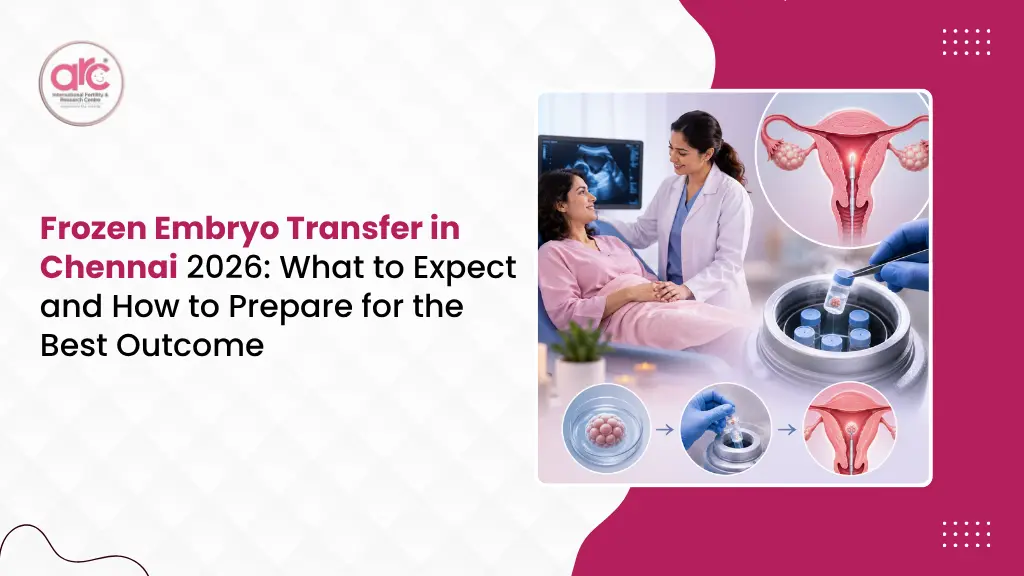
Strip it down and it’s really just this: an embryo that was frozen during a previous IVF cycle gets thawed, then placed into the uterus during a cycle prepared specifically for that purpose.
Before the transfer date is even set, though, there’s a stretch – usually two to three weeks – where doctors track the uterine lining through scans and blood work. It’s arguably the part of the whole treatment that gets watched most closely.
A few things happen during this window:
- Hormone medications thicken the uterine lining
- Regular scans track lining thickness and pattern
- Blood tests confirm hormone levels are on track
- The embryo is thawed close to the scheduled transfer date
Why Do Doctors Often Recommend Frozen Embryo Transfer in Chennai Over a Fresh Transfer?
Mostly it’s about recovery time. A fresh transfer happens right after egg retrieval, when hormone levels are still all over the place from stimulation. Wait out a full cycle instead, and things settle – which a lot of clinics link to a lining that’s more likely to support implantation.
For some patients that gap makes a genuine difference. For others, honestly, it’s more about scheduling flexibility and the option to test embryos first.
| Factor | Frozen Embryo Transfer | Fresh Embryo Transfer |
| Timing | After a full recovery cycle | Immediately after retrieval |
| Hormone Levels | Normalized before transfer | Still elevated from stimulation |
| Scheduling Flexibility | Higher, cycle can be planned | Limited to retrieval timing |
| Embryo Testing Option | Allows genetic testing first | Less time for testing |
| Suitability | Wider range of patients | Depends on response to stimulation |
How Should You Prepare Before Frozen Embryo Transfer in Chennai?
Preparation is mostly about discipline with medication – take the hormone schedule your doctor gives you seriously, down to the timing. An IVF Fertility Doctor in Tambaram will also advise you to follow every dose exactly as prescribed. Skip a dose or take it late a couple of times and you might see the lining development slip, which can push the whole transfer date back.
A few everyday habits help too, and none of them are complicated:
- Maintain a balanced diet with adequate protein and hydration
- Avoid smoking and alcohol during the preparation phase
- Keep stress levels manageable through light activity or rest
- Attend every scheduled scan and blood test appointment
What Happens on the Day of Frozen Embryo Transfer in Chennai?
Not much drama here, honestly. Frozen Embryo Transfer in Chennai is an outpatient procedure, done in minutes, no anesthesia in most cases. You rest for a bit afterward, then go home.
Right before, the embryologist thaws the embryo. During IVF treatment in Perambur, the doctor then guides it into the uterus with a thin catheter, watching on ultrasound the whole time. Most people who’ve been through it compare it to a routine gynecological exam – nothing worse.
What Affects the Success Rate of Frozen Embryo Transfer in Chennai the Most?
A few things carry more weight than others: how good the embryo quality was to begin with, at a West Tambaram fertility centre, how thick the uterine lining is on transfer day, and the patient’s age back when the eggs were retrieved.
Clinics around the city tend to report better numbers when the embryo was well-graded and the lining hit a healthy thickness before the transfer happened.
- Embryo grade and developmental stage at freezing
- Endometrial thickness and pattern on the transfer day
- Age of the patient when eggs were originally retrieved
- Underlying health conditions affecting implantation
How Do You Choose the Right Clinic for Frozen Embryo Transfer in Chennai?
Three things usually decide it: how solid the embryology lab is, how experienced the doctor is, and whether the clinic is straight with you about its actual success numbers.
Patients around Chennai – West Tambaram included – tend to compare places on lab technology, fertility centre in Pammal, how much counseling support they offer, and how seriously they handle care after the transfer, before picking one.
ARC Fertility in West Tambaram is one example of a center running structured IVF and Frozen Embryo Transfer in Chennai programs with monitoring at every stage of the cycle.
What Should You Expect After Frozen Embryo Transfer in Chennai?
A short rest, then back to normal activity within a day or two – that’s the general pattern most clinics recommend. Strict bed rest usually isn’t part of it.
Somewhere between ten and fourteen days later, a blood test checks for pregnancy, once hormone levels are high enough to read reliably.
Discover how to prepare for a successful frozen embryo transfer in Chennai and follow us on YouTube & Instagram for the latest IVF care tips.
Frequently Asked Questions
What is Frozen Embryo Transfer in Chennai, and how is it different from IVF?
It’s the transfer step using an embryo frozen during an earlier IVF cycle – done later, in its own prepared cycle.
How long does the preparation cycle take before transfer?
Two to three weeks, roughly, though it shifts a bit depending on how the lining responds to medication.
Is Frozen Embryo Transfer in Chennai painful?
Not really. Most people say it feels about like a routine gynecological exam, and anesthesia isn’t usually needed.
When should a pregnancy test be done after transfer?
Somewhere between ten and fourteen days after the transfer, once hormone levels are measurable.
What factors improve success rates the most?
Embryo quality, lining thickness, and age at egg retrieval – those three matter most for how Frozen Embryo Transfer in Chennai turns out.