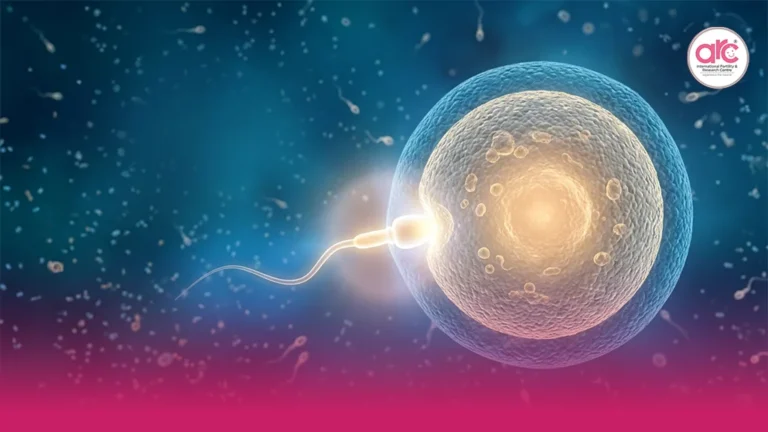
When a couple is trying for a baby, most of the attention often falls on ovulation, periods, egg quality, and the woman’s age. But conception depends on both partners. Many women quietly wonder whether their partner should ejaculate daily, every alternate day, or save sperm for the “right” day. The simple answer is: for most couples, intercourse every 2 to 3 days throughout the cycle, and daily or every alternate day during the fertile window, gives a healthy balance between sperm availability and sperm quality.
This does not mean pregnancy will happen immediately, and it does not mean every couple needs the same schedule. Male fertility, sperm count, semen volume, sperm motility, lifestyle, age, medical history, and the woman’s ovulation pattern all influence the best timing. At ARC Fertility Hospitals, couples are usually encouraged to look at ejaculation frequency as one part of the bigger fertility picture, not as a pressure-filled rulebook.
Why Ejaculation Frequency Matters for Pregnancy
For conception, sperm must be present in the female reproductive tract close to ovulation. An egg usually survives for about 12 to 24 hours after ovulation, while sperm can survive for several days in fertile cervical mucus. This is why timing intercourse only on the exact day of ovulation may sometimes be too narrow. Having sperm already waiting before ovulation often improves the chance of natural conception.
Ejaculation frequency also affects semen parameters. If a man abstains for too long, semen volume and sperm count may rise, but sperm motility and DNA quality may not always improve. In some men, longer gaps can lead to a higher proportion of older, less active sperm. On the other hand, ejaculating many times a day may temporarily reduce sperm concentration because the body has less time to replenish sperm in the ejaculate. The goal is not maximum abstinence or excessive frequency. The goal is consistency.
The Practical Fertility Window: What Usually Works
For most couples trying naturally, intercourse every alternate day during the fertile window is a good starting point. The fertile window is usually the five days before ovulation and the day of ovulation. If cycles are regular, ovulation often happens around 14 days before the next period. For example, in a 28-day cycle, ovulation may occur around day 14, so intercourse from day 10 to day 15 can be useful.
If tracking ovulation feels stressful, a simpler approach is intercourse every 2 to 3 days from the end of the period until the expected period. This avoids the anxiety of “perfect timing” and keeps sperm available when ovulation happens. For couples who use ovulation predictor kits, intercourse on the day of the positive test and the following day is reasonable, with intercourse every other day in the days leading up to it.
Should a Man Ejaculate Daily While Trying to Conceive?
Daily ejaculation is usually not harmful for men with normal sperm parameters. In fact, during the fertile window, daily intercourse can be suitable if both partners are comfortable and there is no emotional pressure. Some studies and clinical observations suggest that shorter abstinence intervals may help reduce sperm DNA fragmentation in certain men, although this depends on the individual.
However, daily intercourse should not become a source of fatigue, resentment, or performance anxiety. Many couples start with affection and hope, but after a few months of trying, sex can begin to feel scheduled and stressful. If daily intercourse creates pressure, every alternate day is often enough. Fertility care should protect emotional closeness, not turn intimacy into a medical task.
Is It Better to Save Sperm Before Ovulation?
This is one of the most common myths. Some couples avoid intercourse for a week or more before ovulation, thinking it will “save up” stronger sperm. In reality, long abstinence may increase semen volume but does not always improve fertility potential. Older sperm may have poorer motility or more oxidative stress in some men.
Most fertility specialists advise avoiding very long gaps when trying to conceive. A gap of 2 to 3 days is often ideal for routine fertility timing. If a semen analysis or fertility treatment is planned, the doctor may advise a specific abstinence period, commonly 2 to 5 days, depending on the test or procedure.
What If the Male Partner Has Low Sperm Count?
If semen analysis shows low sperm count, low motility, abnormal morphology, or high DNA fragmentation, ejaculation timing may need to be adjusted. Some men with low count may benefit from intercourse every alternate day rather than multiple times daily, so that each ejaculate has a reasonable sperm concentration. Others with high DNA fragmentation may be advised shorter abstinence intervals. This is why personalised evaluation matters.
Male fertility is not only about frequency. Smoking, alcohol, obesity, poor sleep, heat exposure, untreated varicocele, diabetes, infections, certain medications, and stress can affect sperm quality. If you are trying to understand what can realistically improve sperm health, ARC’s guide on how to make sperm stronger for pregnancy explains practical steps without overpromising results.
When Should Couples Seek Fertility Evaluation?
If the woman is under 35 and pregnancy has not happened after 12 months of regular unprotected intercourse, both partners should consider fertility evaluation. If the woman is 35 or older, it is better to seek help after 6 months. Earlier evaluation is also sensible if periods are irregular, there is known PCOS, endometriosis, previous pelvic infection, recurrent miscarriage, erectile or ejaculation problems, previous testicular surgery, or a history of very low sperm count.
Many women delay evaluation because they assume the problem must be with their body. In reality, male factors contribute to a significant number of infertility cases, either alone or along with female factors. A semen analysis is simple, non-invasive, and often gives important direction. Couples who are unsure about timing can also learn more about when to move from trying naturally to medical guidance through ARC’s article on how many months to try before fertility treatment.
What About IUI or IVF Timing?
If treatment such as IUI or IVF is being planned, ejaculation frequency becomes more structured. For IUI, doctors often recommend abstinence for a short period before the semen sample, but not an excessively long gap. For IVF or ICSI, the male partner is usually asked to provide a semen sample on the day of egg retrieval, with a recommended abstinence period based on the clinic’s protocol and his semen history.
Couples sometimes worry that one “wrong” ejaculation will ruin the cycle. Usually, fertility teams guide the timing clearly. What matters more is following the clinic’s instructions, informing the doctor about any difficulty in sample collection, and discussing previous semen abnormalities in advance. Treatment decisions such as IUI versus IVF depend on the woman’s age, tube status, ovulation, ovarian reserve, duration of infertility, semen parameters, and previous treatment response.
How ARC Fertility Hospitals Supports Couples
For couples in Chennai and across India, choosing a fertility team is not only about technology. It is also about being heard without judgement. A woman may come in worried about delayed periods, while the hidden concern may be her partner’s semen report. A man may feel embarrassed to discuss ejaculation, erection, or low sperm count. Good fertility care creates room for both partners to speak honestly.
ARC Fertility Hospitals offers fertility evaluation, semen analysis, ovulation assessment, IUI, IVF, ICSI, fertility preservation, and personalised counselling based on each couple’s history. If you are looking for the Best Fertility Hospital in Chennai, the focus should be on clear diagnosis, ethical treatment planning, and realistic guidance. A trusted Fertility Hospital in Chennai should help couples understand when natural trying is enough and when medical support may improve the path forward.
Final Takeaway
So, how often should a man ejaculate when trying to conceive? For most couples, every 2 to 3 days across the cycle and daily or every alternate day during the fertile window is a sensible, evidence-aware approach. Avoid very long abstinence, avoid turning intimacy into pressure, and remember that sperm quality is influenced by health, habits, and medical factors—not timing alone.
If pregnancy is taking longer than expected, it is better to evaluate both partners rather than keep guessing. The right fertility guidance can reduce confusion, protect emotional wellbeing, and help couples choose the next step with clarity.