Why This Question Feels So Confusing
If you are trying to conceive, every small sensation in the lower abdomen can feel important. A mild pull, a dull ache, or a few hours of cramping may make you wonder: is this implantation, or is my period about to start? The difficult part is that implantation cramps and period cramps can feel similar, especially during the two-week wait.
Understanding how to tell the difference between implantation cramps and period cramps is less about one single symptom and more about the full pattern: timing, intensity, bleeding, duration, and what usually happens in your own cycle. No symptom can confirm pregnancy on its own, but knowing what to look for can reduce anxiety and help you decide when to test or speak with a fertility specialist.
What Are Implantation Cramps?
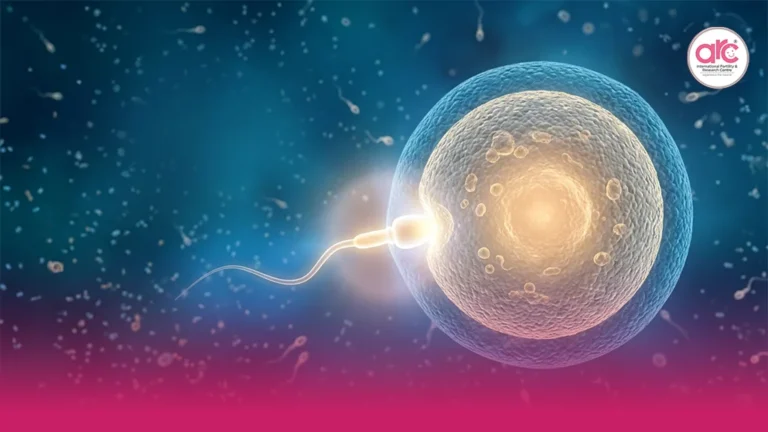
Implantation may happen when a fertilized egg attaches to the lining of the uterus. This usually occurs around 6 to 12 days after ovulation, though the exact timing varies from person to person. Some women notice no symptoms at all. Others describe mild cramping, light pulling, or a brief twinge in the lower abdomen.
Implantation cramps are usually mild because the process itself is microscopic. The embryo is very small, and the uterine lining is responding hormonally. If cramping is linked to implantation, it is generally not severe, not long-lasting, and not associated with heavy bleeding.
What Are Period Cramps?
Period cramps happen because the uterus contracts to shed its lining when pregnancy has not occurred. These contractions are influenced by hormone-like substances called prostaglandins. Higher prostaglandin levels can make cramps stronger, more wave-like, and sometimes associated with nausea, loose stools, backache, or fatigue.
For many women, period cramps begin a day or two before bleeding starts or on the first day of the period. The pain may be more intense than implantation cramps and often becomes more obvious as menstrual flow increases.
How to Tell the Difference Between Implantation Cramps and Period Cramps
1. Look at the timing in your cycle
Timing is one of the most useful clues. Implantation-type cramping is more likely to happen about a week after ovulation and before your expected period. If you track ovulation, cramps around 7 to 10 days past ovulation may make you think of implantation.
Period cramps, on the other hand, usually appear very close to when your period is due. If cramps begin on the day you normally start bleeding, or if your usual premenstrual symptoms are present, period-related cramping may be more likely.
2. Notice the intensity of pain
Implantation cramps are usually mild. Women often describe them as a light pulling, prickling, pinching, or dull ache. They should not feel disabling. You should not need strong pain relief for suspected implantation cramps.
Period cramps can be mild too, but they are often stronger and more rhythmic. They may come in waves, spread to the lower back or thighs, and become uncomfortable enough to interrupt daily activities. If your cramps feel exactly like your usual period cramps, it may simply be your period approaching, though early pregnancy can sometimes mimic premenstrual symptoms.
3. Compare the bleeding or spotting
Implantation spotting, when it happens, is usually very light. It may appear as a few spots of pink, light red, or brown discharge. It typically does not become a steady flow and should not contain large clots.
Period bleeding usually progresses. It may begin as spotting, then become redder, heavier, and more consistent over the next several hours or days. If you are soaking pads, passing clots, or bleeding like your regular period, implantation is less likely.
4. Check how long the cramps last
Implantation cramps are usually short-lived. They may last a few minutes, come and go over several hours, or occasionally be felt lightly for a day or two.
Period cramps often last longer, especially during the first one to three days of menstruation. They may reduce as bleeding becomes lighter. If cramps continue or worsen over several days, it is worth paying attention to the overall pattern and seeking medical advice if the pain is unusual.
5. Consider accompanying symptoms carefully
Breast tenderness, bloating, mood changes, tiredness, and food cravings can happen before a period and in early pregnancy. That is why symptoms alone can be misleading. A missed period followed by a positive pregnancy test is much more reliable than trying to interpret every sensation.
Some women also adjust lifestyle habits during the trying-to-conceive phase. If you are exploring natural practices, it is important to check safety first, including questions such as castor oil packs while trying to conceive. Similarly, nutrition matters, but it should be approached realistically rather than fearfully; understanding how sugar intake may affect conception can help you make balanced choices without unnecessary guilt.
When Should You Take a Pregnancy Test?
The most practical time to take a home pregnancy test is after your missed period. Testing too early can give a false negative because pregnancy hormone levels may not be high enough yet. If you know your ovulation date, testing around 12 to 14 days after ovulation is usually more reliable than testing very early.
If you test negative but your period still does not come, repeat the test after 48 hours. Pregnancy hormone levels usually rise over time in early pregnancy. If your cycles are irregular, or you are undergoing fertility treatment, your doctor may advise a blood beta-hCG test for clearer information.
When Cramping Needs Medical Attention
Mild cramping before a period or during very early pregnancy can be normal. But certain symptoms should not be ignored. Contact a doctor urgently if you have severe one-sided pain, heavy bleeding, dizziness, shoulder tip pain, fainting, fever, or pain that feels different from your usual cycle. These symptoms can have causes that need prompt evaluation, including ectopic pregnancy, infection, ovarian cyst issues, or other gynecological conditions.
If you are already pregnant after IVF, IUI, ovulation induction, or natural conception, do not panic over mild cramps, but do keep your fertility team informed. In fertility care, doctors interpret cramps along with hormone reports, scan findings, treatment dates, and embryo transfer timing, not symptoms alone.
What If You Are Trying to Conceive Month After Month?
The two-week wait can become emotionally exhausting. Many women replay every symptom, compare it with previous cycles, and search for certainty. But implantation cramps are not a requirement for pregnancy. Not feeling cramps does not mean you are not pregnant. Feeling cramps does not prove that you are.
If you have been trying to conceive for 12 months and are under 35, or for 6 months and are 35 or older, it is reasonable to consider a fertility evaluation. You may also seek help earlier if you have irregular periods, endometriosis, PCOS, known male factor concerns, repeated miscarriages, or a history of pelvic infection or surgery.
At ARC Fertility Hospitals, fertility specialists look beyond symptoms. Evaluation may include ovulation assessment, ultrasound, ovarian reserve testing, semen analysis, tubal evaluation, and review of cycle history. The goal is not to rush every couple into IVF, but to understand what may be affecting conception and choose the right next step, whether that is timed intercourse, ovulation support, IUI, IVF, or another tailored approach.
A Simple Way to Think About It
Implantation cramps are usually earlier, lighter, shorter, and may come with very minimal spotting. Period cramps are usually closer to your expected period, stronger, longer, and often followed by a heavier flow. Still, there is overlap. The body does not always follow textbook rules.
If you are unsure, try not to judge your chances based only on cramps. Track the date, note the bleeding pattern, wait until the right testing window, and reach out for medical guidance if symptoms are severe or your cycles are repeatedly confusing. In fertility, clarity often comes from good timing, careful evaluation, and compassionate care rather than symptom-guessing alone.