Is it normal to have light cramping during ovulation?
Yes, for many women, light cramping during ovulation can be normal. It is often called mittelschmerz, a German word that means middle pain, because it usually happens around the middle of the menstrual cycle. Some women feel it as a mild pinch on one side of the lower abdomen. Others describe it as a dull ache, a pulling sensation, or brief discomfort that comes and goes.
Still, it is understandable to feel concerned when your body sends a new signal, especially if you are trying to conceive. Many women begin noticing ovulation symptoms more closely when they are tracking fertile days, planning intercourse, or preparing for fertility treatment. The key question is not only whether cramping happens, but how it feels, how long it lasts, and whether it comes with other symptoms.
At ARC Fertility Hospitals, doctors often remind patients that ovulation symptoms are clues, not a complete diagnosis. Light cramping may be a normal part of the ovulation process, but persistent, severe, or unusual pain deserves medical attention.
Why does ovulation cramping happen?
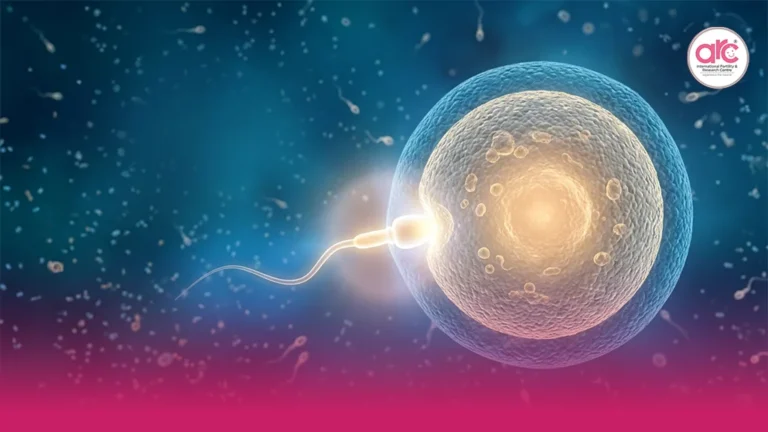
Ovulation is the point in the cycle when a mature egg is released from the ovary. In a typical cycle, this happens about 12 to 16 days before the next period, though timing can vary from woman to woman.
Several normal changes may cause mild cramping around this time. As the follicle grows, it stretches the surface of the ovary. When the egg is released, a small amount of follicular fluid or blood may irritate the lining of the pelvis. This irritation can create a short-lived cramp or ache. Because ovulation usually occurs from one ovary at a time, the pain is often felt on one side.
This does not mean something is wrong with the ovary. In many cases, it simply reflects the body doing what it is designed to do. However, pain alone cannot confirm that ovulation has definitely occurred. Some women ovulate without any cramps, while others may feel pelvic discomfort for reasons unrelated to egg release.
What does normal ovulation cramping feel like?
Normal ovulation cramping is usually mild and temporary. It may last a few minutes, several hours, or occasionally up to one or two days. It often appears around the fertile window and may alternate sides in different cycles, depending on which ovary releases the egg.
Many women also notice other ovulation-related signs, such as clear stretchy cervical mucus, a slight rise in basal body temperature after ovulation, breast sensitivity, bloating, or increased sexual desire. These signs can help you understand your cycle better, but they are not perfect predictors.
If the cramping is light, does not interfere with daily activity, and settles on its own, it is usually not alarming. Simple comfort measures such as rest, hydration, a warm compress, or gentle movement may help. If you are trying to conceive, avoid taking frequent pain medicines without medical advice, especially around ovulation, because some medicines may not be suitable for everyone.
When is ovulation cramping not normal?
Cramping should not be ignored if it is severe, sudden, worsening, or different from your usual pattern. You should speak to a doctor if the pain lasts more than two days, occurs with fever, vomiting, dizziness, heavy bleeding, foul-smelling discharge, pain during intercourse, or pain while passing urine or stool.
There are also fertility-related conditions that may mimic ovulation cramps. Endometriosis can cause pelvic pain around ovulation or periods. Ovarian cysts may create one-sided pain. Pelvic inflammatory disease can cause pelvic discomfort with discharge or fever. Fibroids, adenomyosis, or adhesions may also contribute to cyclical pain. In rare cases, severe one-sided pain may signal ovarian torsion or an ectopic pregnancy, both of which need urgent medical care.
The important point is this: light cramping can be normal, but pain that affects your life or feels unusual should be evaluated rather than repeatedly dismissed as ovulation pain.
Does ovulation cramping mean you are fertile?
Ovulation cramping may suggest that your body is in the fertile part of the cycle, but it does not guarantee fertility. Fertility depends on several connected factors: regular ovulation, egg quality, fallopian tube health, sperm quality, hormone balance, uterine health, age, and timing of intercourse.
For example, a woman may feel mid-cycle pain but still have irregular ovulation, blocked tubes, low ovarian reserve, or a partner with sperm-related concerns. On the other hand, many women who never feel ovulation pain conceive naturally. This is why fertility specialists look at the full picture instead of relying on symptoms alone.
If you are trying for pregnancy, ovulation cramps can help you become more aware of your fertile window. But for better timing, doctors may recommend ovulation predictor kits, cycle tracking, ultrasound follicle monitoring, or hormonal tests, depending on your age and history.
How does this matter when you are trying to conceive?
If your cycles are regular and you have light cramps around mid-cycle, intercourse during the fertile window may be helpful. The fertile window usually includes the five days before ovulation and the day of ovulation. Since sperm can survive in the reproductive tract for several days, waiting only for cramping may sometimes be too late. A practical approach is to have intercourse every one to two days during the fertile window, if possible and comfortable.
If cycles are irregular, cramping may be harder to interpret. Some women with polycystic ovary syndrome, thyroid imbalance, high prolactin, stress-related hormonal disruption, or significant weight changes may not ovulate consistently. Lifestyle factors can also play a role. For instance, very intense workouts may affect menstrual hormones in some women, which is why understanding the link between excessive exercise and ovulation can be helpful if your cycles have become irregular.
Trying to conceive can make every sensation feel important. That emotional pressure is real. But it is also important not to turn every cramp into a worry. A balanced approach is to track patterns over two to three cycles and seek medical guidance if something seems inconsistent or concerning.
When should you meet a fertility specialist?
Consider meeting a fertility specialist if you are under 35 and have been trying to conceive for 12 months, or if you are 35 or older and have been trying for 6 months. You should seek help earlier if you have irregular periods, very painful periods, known endometriosis, previous pelvic infection, recurrent miscarriage, PCOS, thyroid disease, ovarian surgery, or a male partner with known sperm concerns.
A fertility evaluation does not always mean IVF. This is a common fear. Many couples delay consultation because they worry they will immediately be pushed toward advanced treatment. In reality, the first step is usually diagnosis. Doctors may suggest blood tests, ultrasound, ovulation assessment, semen analysis, and sometimes tubal testing. Based on the findings, options may include timed intercourse, ovulation induction, IUI, IVF, or treatment for an underlying condition.
This is also where cost concerns become easier to understand. Without diagnosis, couples may spend months on guesswork, supplements, apps, and repeated cycles of anxiety. A structured evaluation can clarify whether simple monitoring is enough or whether treatment is needed. It helps avoid both under-treatment and unnecessary treatment.
How ARC Fertility Hospitals approach ovulation-related concerns
At ARC Fertility Hospitals, ovulation-related symptoms are assessed with both medical precision and patient sensitivity. A doctor may ask about the timing of pain, cycle length, flow pattern, previous infections, surgeries, pain during intercourse, bowel symptoms, and how long you have been trying to conceive. This conversation matters because pelvic pain is not just a physical symptom; it often carries fear, frustration, and uncertainty.
If needed, ultrasound can check follicle development, ovarian cysts, uterine findings, and signs that ovulation may be approaching or has occurred. Hormonal tests may help identify thyroid issues, PCOS patterns, ovarian reserve concerns, or luteal phase problems. If infertility has been ongoing, semen analysis and fallopian tube assessment may be included.
The goal is not to label every cramp as a problem. The goal is to separate normal cycle awareness from symptoms that need care. For some women, reassurance is enough. For others, early diagnosis can shorten the journey to the right treatment.
Practical ways to track ovulation cramps safely
Keep a simple cycle diary. Note the first day of your period, the day cramping occurs, which side hurts, how intense it feels, how long it lasts, and whether there is spotting, discharge, fever, or pain during intercourse. Also note ovulation test results if you use them.
Patterns are often more useful than a single episode. A mild one-sided ache around day 14 in a 28-day cycle may fit ovulation. Pain that appears at random times, worsens each month, or comes with abnormal bleeding needs review.
Most importantly, do not blame yourself if your body feels confusing. Fertility is not always obvious from symptoms. Light ovulation cramping can be normal, but if you are worried or trying to conceive without success, a timely consultation can offer clarity and peace of mind.
The takeaway
So, is it normal to have light cramping during ovulation? In many cases, yes. Mild, short-lived, one-sided cramping around the middle of the cycle is commonly linked to ovulation. But severe pain, prolonged pain, abnormal bleeding, fever, or repeated discomfort should be checked by a doctor.
Ovulation cramps can help you understand your body, but they are only one part of fertility. If pregnancy is taking longer than expected, or if your cycles feel unpredictable, ARC Fertility Hospitals can help you move from guessing to knowing with a thoughtful fertility evaluation and a treatment plan suited to your needs.