When a woman is trying to conceive, the phrase “egg quality” can feel both important and confusing. Many women ask a very natural question: can I tell if my egg quality is poor? The honest answer is that poor egg quality usually does not create obvious day-to-day symptoms. You may have regular periods, feel healthy, and still have difficulty conceiving because egg quality is mainly about the genetic and developmental potential of the egg.
That said, there are patterns that may make doctors look more closely at egg quality. These signs do not confirm a diagnosis by themselves, but they are useful signals. At ARC Fertility Hospitals, fertility specialists often explain egg quality through a simple lens: the goal is not to blame the body, but to understand what may be affecting conception and choose the right next step.
What Does Egg Quality Really Mean?
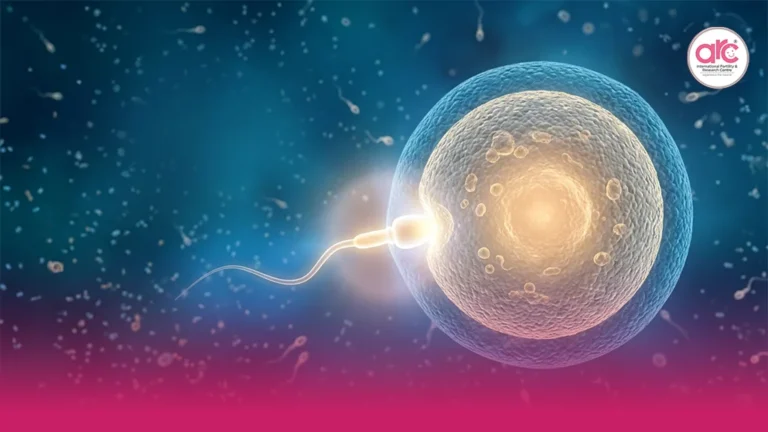
Egg quality refers to an egg’s ability to fertilize, develop into a healthy embryo, implant in the uterus, and support an ongoing pregnancy. A good-quality egg usually has the correct number of chromosomes and enough cellular energy to complete early embryo development. Poor egg quality may lead to failed fertilization, slow embryo growth, implantation failure, or miscarriage.
Unlike egg count, which can be estimated through AMH, antral follicle count, and hormone tests, egg quality is harder to measure directly. Doctors often understand it through age, treatment response, embryo development, and pregnancy history. This is why a proper fertility evaluation matters more than guessing based on symptoms alone.
1. Difficulty Conceiving for Several Months
One of the most common signs of poor egg quality to look out for is repeated difficulty conceiving despite regular intercourse during the fertile window. If you are under 35 and have been trying for one year, or over 35 and have been trying for six months, it is sensible to seek fertility guidance.
This does not mean poor egg quality is definitely the reason. Male factor infertility, ovulation problems, blocked tubes, endometriosis, thyroid issues, and uterine factors can also delay pregnancy. But if initial tests do not show a clear cause, egg quality becomes part of the discussion, especially with increasing age.
2. Age Above 35 with Delayed Pregnancy
Age is one of the strongest factors affecting egg quality. Women are born with their lifetime supply of eggs, and both egg number and egg quality decline over time. After 35, this decline becomes more noticeable for many women, and after 40, the chance of chromosomal abnormalities in eggs increases further.
This can be emotionally difficult because age-related fertility decline is not about how young or healthy someone feels. A woman may exercise, eat well, and have regular cycles, but ovarian biology may still be changing quietly. If you are in your mid-30s or older and planning pregnancy, early evaluation can prevent months or years of uncertainty.
3. Repeated Miscarriages
Miscarriage can happen for many reasons, and one loss does not automatically mean poor egg quality. However, repeated pregnancy loss may raise concern about embryo chromosomal abnormalities, which can be linked to egg quality, especially with age.
Doctors may recommend blood tests, uterine evaluation, genetic testing of the couple in selected cases, and sometimes embryo testing during IVF. The aim is not to promise that every loss can be prevented but to identify whether there is a treatable factor or a better treatment pathway.
4. Poor Embryo Development During IVF
For women undergoing IVF, egg quality is often assessed indirectly by how the eggs behave in the laboratory. Some warning signs include a low number of mature eggs, poor fertilization rates, embryos that stop growing early, or few embryos reaching the blastocyst stage.
This can feel disappointing, especially when injections and egg retrieval have already required time, money, and emotional strength. But one IVF cycle does not always tell the whole story. Doctors may adjust stimulation medicines, change trigger timing, consider sperm-related factors, or discuss advanced options depending on the couple’s history.
If age-related ovarian changes are part of the concern, some patients also ask about newer approaches such as ovarian PRP for fertility aging. Such options need careful specialist discussion because suitability varies from person to person.
5. Low AMH or Low Antral Follicle Count
Low AMH or a low antral follicle count mainly suggests reduced ovarian reserve, meaning fewer eggs may be available. It does not always mean every egg is poor quality. A younger woman with low AMH may still have good-quality eggs, while an older woman with normal AMH may still face age-related quality concerns.
This distinction is important because many women panic after seeing a low AMH report. AMH helps doctors plan treatment dosage and urgency, but it should not be read in isolation. A fertility specialist will usually combine AMH, ultrasound findings, age, cycle history, and partner semen analysis before recommending IUI, IVF, or other options.
6. Irregular or Short Menstrual Cycles
Irregular periods do not directly prove poor egg quality, but they may point to ovulation problems or changing ovarian function. Very short cycles, for example, may sometimes happen when the follicular phase becomes shorter due to reduced ovarian reserve. Long or unpredictable cycles may suggest PCOS, thyroid imbalance, high prolactin, stress-related hormonal disruption, or other causes.
If your cycle pattern has changed noticeably, it is worth getting evaluated. Many women wait because they assume periods are “just irregular,” but cycle changes can offer useful clues about ovulation and hormone balance.
7. Previous Failed IUI or IVF Cycles
When multiple IUI cycles fail, couples often wonder whether they should continue or move to IVF. IUI may work well when tubes are open, sperm parameters are reasonable, ovulation is predictable, and the woman is younger. But if age is higher, ovarian reserve is low, or there are repeated failures, IVF may offer more information because doctors can observe egg maturity, fertilization, and embryo growth.
IVF is not a guaranteed solution, and it can be financially and emotionally demanding. Still, it may reduce guesswork in some cases. A good clinic should discuss expected costs, number of visits, injections, egg retrieval, embryo transfer, freezing options, and realistic success possibilities before treatment begins.
Can Lifestyle Improve Egg Quality?
Lifestyle cannot reverse age, but it can support the environment in which eggs develop. Eggs take several months to mature, so doctors may advise improving sleep, correcting vitamin deficiencies, managing thyroid or insulin resistance, stopping smoking, limiting alcohol, and maintaining a healthy weight. Hydration and balanced nutrition also matter during conception planning; many women find practical guidance helpful, such as understanding how much water to drink while trying to conceive.
Supplements such as CoQ10, vitamin D, folate, or antioxidants may be suggested in selected cases, but they should be taken under medical guidance. More supplements do not always mean better results, and treatment should be personalized.
When Should You See a Fertility Specialist?
You should consider a fertility consultation if you are over 35 and trying for six months; under 35 and trying for one year; have irregular cycles; have had repeated miscarriages; have known endometriosis, low AMH, previous ovarian surgery, or failed fertility treatments. A consultation does not mean you must start IVF immediately. Often, it simply gives clarity.
At ARC Fertility Hospitals, the evaluation may include hormone tests, ultrasound, ovulation tracking, semen analysis for the male partner, and review of previous reports. For women comparing clinics and feeling unsure where to begin, choosing the best fertility hospital in Chennai may mean looking for transparent counseling, ethical treatment planning, and realistic explanations rather than big promises.
How Doctors Decide the Right Treatment
If egg quality is suspected, treatment depends on age, ovarian reserve, sperm health, duration of infertility, miscarriage history, and previous treatment response. Some women may be advised timed intercourse or ovulation induction. Some may benefit from IUI. Others may be guided toward IVF, especially when time is important or previous simpler treatments have failed.
In IVF, doctors may adjust stimulation protocols to improve the number of mature eggs retrieved. Embryologists observe fertilization and embryo growth carefully. In selected cases, preimplantation genetic testing may be discussed, particularly when there is advanced maternal age or recurrent pregnancy loss. The purpose is to improve decision-making, not to create unrealistic expectations.
A Gentle Reminder: Poor Egg Quality Is Not Your Fault
Many women silently blame themselves when they hear the words “poor egg quality.” But egg quality is influenced by age, genetics, ovarian biology, medical conditions, and sometimes factors beyond anyone’s control. Feeling upset, impatient, or afraid is completely understandable.
The most useful step is not self-diagnosis. It is timely evaluation with a team that explains findings clearly and treats you with respect. If you are searching for a fertility hospital in Chennai, look for care that balances science with emotional steadiness. Fertility treatment is not only about reports and procedures; it is also about helping you make decisions without fear or confusion.
Final Thoughts
The signs of poor egg quality to look out for include delayed conception, age above 35, repeated miscarriages, poor embryo development in IVF, low ovarian reserve markers, irregular cycles, and repeated treatment failures. None of these signs should be used to panic or assume the worst. They are reasons to seek clarity.
With the right evaluation, many women discover that there are still meaningful options. The best next step is a calm, evidence-based consultation where your age, test results, treatment history, and personal goals are considered together.