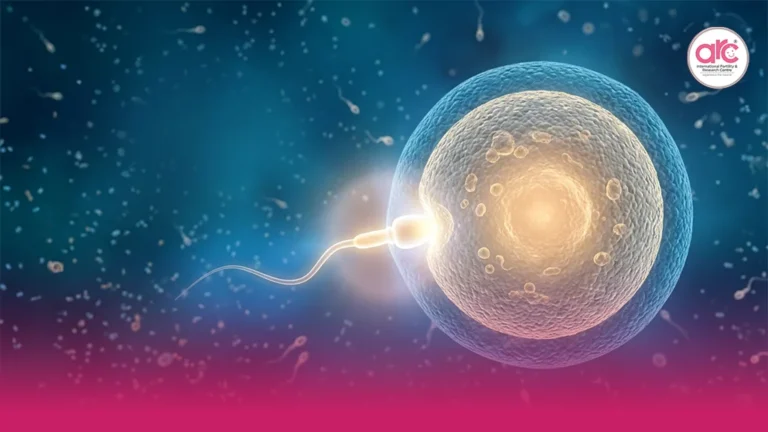
After an embryo transfer, even ordinary movements can suddenly feel risky. Many women find themselves asking: Can going up and down stairs after embryo transfer cause failure? If you have just gone through IVF, this fear is completely understandable. You have invested time, hope, medication, emotional energy, and often a significant financial commitment. It is natural to want to protect the embryo in every possible way.
The reassuring answer is: climbing stairs normally after embryo transfer does not usually cause IVF failure. A gentle walk to your bedroom, using stairs at home, or stepping up a few floors slowly is not known to dislodge an embryo or stop implantation. The uterus is not like an open container where the embryo can “fall out.” Implantation is a biological process influenced by embryo quality, uterine receptivity, hormones, age, medical conditions, and timing—not by ordinary, careful movement.
That said, your body may feel tender after IVF medications, egg retrieval, or the transfer procedure. So while stairs are generally safe, how you use them matters. The goal is not complete bed rest. The goal is sensible activity, comfort, and following your fertility specialist’s personalised instructions.
What Actually Happens After Embryo Transfer?
During embryo transfer, the fertility doctor places the embryo inside the uterus using a thin, soft catheter. The procedure is usually quick and does not involve surgery. Once the embryo is placed, it remains within the uterine cavity, surrounded by the natural environment needed for implantation.
Implantation does not happen because a woman lies completely still. It happens when a healthy embryo and a receptive uterine lining communicate successfully at the right time. This is why fertility teams focus so carefully on embryo development, endometrial thickness, progesterone support, and transfer timing.
Many patients imagine the embryo as something fragile that can shift with every step. In reality, the embryo is microscopic, and the uterine walls are naturally close together. Normal movements such as standing, walking to the washroom, sitting in a car, or climbing stairs gently do not create enough force to affect its position.
Can Going Up and Down Stairs After Embryo Transfer Cause Failure?
No, using stairs in a normal and careful way after embryo transfer is not considered a cause of IVF failure. If you live in a home with stairs, you do not need to panic or avoid moving between floors entirely. Fertility specialists generally advise avoiding extremes rather than avoiding all movement.
For example, climbing one or two flights slowly is very different from repeatedly running up and down stairs, carrying heavy bags, or doing intense stair workouts. The first is routine movement. The second is physical strain. After embryo transfer, you should keep activity light and comfortable, especially during the first few days.
If you feel dizzy, bloated, crampy, or unusually tired, take support from the railing and move slowly. If your doctor has advised additional rest because of ovarian hyperstimulation risk, bleeding, severe pain, or another medical concern, follow that advice rather than general online guidance.
Why Do IVF Cycles Fail If Not Because of Stairs?
This is an important question because many women blame themselves after a failed cycle. They replay every detail: “Did I climb too many stairs?” “Did I bend?” “Did I laugh too hard?” “Did I sleep on the wrong side?” In most cases, these everyday actions are not the reason an IVF cycle fails.
IVF outcome depends on several medical factors, including embryo chromosomal health, egg and sperm quality, uterine lining receptivity, hormonal balance, inflammation, fibroids, polyps, endometriosis, age, and underlying fertility diagnosis. Sometimes, even when everything appears ideal, implantation may not occur. This does not mean the patient did something wrong.
It is also helpful to understand that IVF has multiple stages, and challenges can happen before transfer as well. For example, some couples face concerns around failed fertilisation after egg retrieval, while others may reach embryo transfer but still need support in understanding implantation and luteal phase care. Each stage has its own medical logic, and your fertility team evaluates it step by step.
Is Bed Rest Needed After Embryo Transfer?
Strict bed rest is usually not recommended after embryo transfer unless your doctor gives you a specific medical reason. In fact, prolonged bed rest can sometimes increase discomfort, anxiety, constipation, and muscle stiffness. Many fertility clinics advise a short period of rest immediately after the procedure, followed by light daily activity.
Gentle movement supports circulation and helps many women feel more emotionally balanced during the waiting period. You can usually walk around the house, eat normally, use the bathroom, sit at a desk, and climb stairs carefully. What matters is avoiding unnecessary strain.
At ARC Fertility Hospitals, post-transfer advice is usually personalised because every patient’s situation is different. A woman with mild bloating after egg retrieval may need different guidance from someone who had a frozen embryo transfer in a natural or hormone-prepared cycle. Always prioritise the instructions given by your own fertility specialist.
How to Use Stairs Safely After Embryo Transfer
If you need to use stairs after embryo transfer, keep it simple and gentle. Do not rush. Hold the railing. Take one step at a time. Avoid carrying heavy buckets, suitcases, grocery bags, or laundry loads. If you live on a higher floor without a lift, plan your movement so you do not need to climb repeatedly throughout the day.
You may also want to keep water, medicines, snacks, and essentials on the same floor where you plan to rest. This is not because stairs are dangerous, but because reducing unnecessary effort can make the two-week wait feel calmer and more manageable.
If you have cramping, pelvic heaviness, or bloating, move more slowly. Mild cramps can happen after transfer or due to progesterone medicines, but severe pain should not be ignored. Similarly, if you feel breathless, faint, or have significant abdominal swelling, contact your fertility team.
Activities to Avoid After Embryo Transfer
While normal stairs are usually fine, some activities are best avoided during the post-transfer period. These include heavy lifting, high-intensity workouts, running, jumping, abdominal exercises, hot tubs, saunas, smoking, alcohol, and taking medicines without medical approval.
Sexual intercourse may also be restricted for a period depending on your clinic’s protocol and your individual case. Some women are advised pelvic rest, especially if there has been bleeding, difficult transfer, ovarian enlargement, or discomfort. Your doctor’s advice should guide you here.
If you recently had an egg retrieval and are feeling bloated, your doctor may also monitor for ovarian hyperstimulation syndrome. Understanding why OHSS happens after egg retrieval can help you recognise symptoms early and know when to seek care. This is separate from embryo implantation, but it can affect how active or rested you should be after IVF.
What Symptoms Are Normal After Embryo Transfer?
Many women notice mild cramps, breast tenderness, bloating, mood changes, fatigue, or light spotting after embryo transfer. These symptoms can be related to progesterone support, the transfer procedure, or the body’s hormonal state. They do not reliably confirm success or failure.
Some women feel many symptoms and are not pregnant. Others feel almost nothing and still have a positive pregnancy test. This uncertainty is one of the hardest parts of IVF. Try not to read too much into every sensation, even though that is easier said than done.
Call your fertility clinic if you experience heavy bleeding, severe abdominal pain, fever, persistent vomiting, fainting, sudden shortness of breath, or rapidly increasing abdominal swelling. These symptoms need medical attention and should not be dismissed as normal post-transfer discomfort.
The Emotional Side of the Two-Week Wait
The days after embryo transfer can feel unusually long. Many women become hyper-aware of their body and worry that one wrong move could change the result. If you climbed stairs and are now scared, pause and remind yourself: normal movement is not a known cause of embryo transfer failure.
It may help to create a gentle routine. Take medicines on time, eat balanced meals, stay hydrated, sleep well, reduce unnecessary stress where possible, and stay connected with people who make you feel supported. Avoid repeatedly searching for symptoms online if it increases anxiety.
IVF requires medical care, but it also requires emotional steadiness. You do not have to be perfectly calm all the time. You only need to be kind to yourself while your body and your doctors do their work.
When Should You Ask Your Doctor About Stairs?
Ask your fertility specialist for specific advice if you had a difficult transfer, significant bleeding, severe pain, ovarian enlargement, OHSS risk, recurrent implantation failure, a history of miscarriage, or another medical condition. Also ask if your home setup requires frequent stair climbing every day.
In most uncomplicated cases, your doctor will reassure you that gentle stair use is acceptable. But personalised guidance is always better than general advice, especially in fertility treatment where every cycle has its own details.
Final Takeaway
Can going up and down stairs after embryo transfer cause failure? In ordinary circumstances, no. Gentle stair climbing does not usually affect implantation or cause IVF failure. The embryo is safely placed inside the uterus, and implantation depends on deeper biological and medical factors, not routine daily movement.
Use stairs slowly, avoid strain, listen to your body, and follow your fertility doctor’s instructions. If you are unsure, ARC Fertility Hospitals can guide you with personalised post-transfer care so that you feel informed, supported, and less alone during the waiting period.