Overview
Most couples walk into their first IUI cycle with quiet optimism.
It feels like a small step.
Not as intense as IVF.
Not as complicated.
Somewhere in their mind, there’s a hope.
Maybe this will work the first time.
But fertility doesn’t move on hope alone. It moves on biology, timing, and probability.
So let’s talk about the real question.
What is the actual success rate of IUI in India?
Not the comforting version.
The honest one.
1. The Real Numbers: What Data Actually Shows
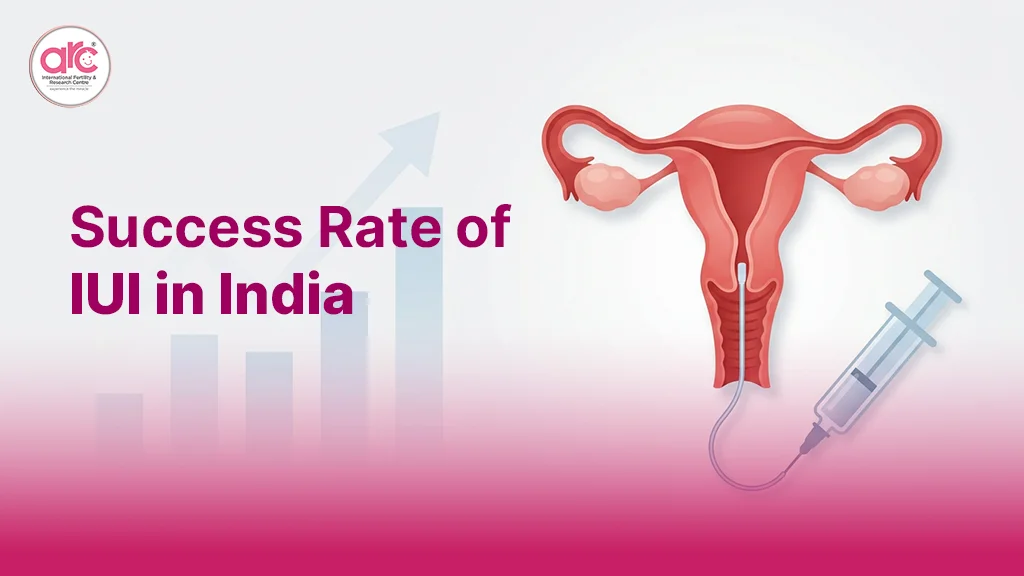
Across India, the average success rate of IUI per cycle falls between:
10% to 20% per attempt
That number surprises many couples.
Because IUI is a treatment, people expect higher certainty.
But here’s the truth.
IUI doesn’t create fertilization.
It improves the chance of it happening naturally inside the body.
That’s why its success rate is close to natural conception probabilities, just slightly optimized.
At a fertility hospital in chennai, doctors often explain this early to avoid emotional burnout after the first attempt.
Because expectation shapes experience.
2. Age: The Single Biggest Factor
No factor influences IUI success more than age.
Here’s how it typically breaks down in India:
• Under 30 → 15% to 20%
• 30–35 → 12% to 18%
• 35–38 → 8% to 12%
• Above 40 → 5% or lower
This is not about effort.
It’s about egg quality.
As age increases, chromosomal abnormalities increase. Even if fertilization happens, implantation may fail.
IUI cannot fix egg quality.
That’s why doctors don’t recommend too many IUI cycles beyond a certain age.
3. Diagnosis: Who IUI Works Best For
IUI is not for everyone.
It works best when the problem is mild or unexplained.
Good candidates for IUI:
• Mild male factor infertility
• Unexplained infertility
• Ovulation issues (with medication support)
• Cervical factor issues
Poor candidates:
• Blocked fallopian tubes
• Severe sperm count problems
• Advanced endometriosis
• Very low ovarian reserve
This is where many cycles fail.
Not because IUI doesn’t work.
But because it was used in the wrong situation.
The best fertility hospital in chennai focuses heavily on patient selection before recommending IUI.
Because the right treatment matters more than the treatment itself.
4. First Cycle vs Multiple Cycles
Here’s something most people don’t hear upfront.
IUI is rarely a one-cycle solution.
Success builds over multiple attempts.
• 1 cycle → 10–20%
• 3 cycles → 30–40% cumulative
• 4–6 cycles → plateau begins
Doctors usually recommend 3 to 4 cycles before moving to IVF.
If you want a deeper breakdown, read success rate of iui in first attempt.
That perspective helps you set expectations correctly from day one.
5. Natural vs Stimulated IUI Cycles
There are two types of IUI approaches.
Natural Cycle IUI
Done without medication.
Lower cost, but lower success.
Stimulated IUI
Uses medications to produce 1–3 eggs.
Higher success rates, but slightly increased chance of twins.
Stimulated cycles generally push success closer to the upper range, around 15–20% in younger women.
But again, biology sets the ceiling.
6. The Role of Timing (This Is Where Many Go Wrong)
IUI success depends heavily on timing.
Sperm must be present before ovulation, not after.
Doctors use:
• Ultrasound follicle tracking
• Trigger injections
• LH surge detection
Even a small timing error can reduce chances.
This is why medically guided cycles perform better than home tracking alone.
7. Sperm Quality Still Matters (A Lot)
IUI involves washing and concentrating sperm.
But it cannot fix severe sperm problems.
After processing, doctors look at:
• Total motile sperm count
• Movement quality
• Morphology
If post-wash sperm count is too low, success drops sharply.
This is often where couples are advised to move toward IVF or ICSI.
8. Endometrial Lining: The Silent Factor
Even with perfect timing and sperm, implantation depends on the uterus.
Doctors assess:
• Lining thickness (ideally 7–10 mm)
• Blood flow
• Hormonal response
A thin or poorly responsive lining can reduce success, even when everything else looks good.
This is one reason some cycles fail without a clear explanation.
9. Why Success Rates in India Are Comparable Globally
There’s a misconception that outcomes vary drastically by country.
In reality, IUI success rates in India are comparable to global standards when done in well-equipped centers.
The difference comes down to:
• Doctor experience
• Monitoring quality
• Lab support
• Patient selection
India’s advantage is not necessarily higher success rates.
It is accessible, cost-effective treatment with strong clinical expertise.
10. The Most Important Truth Couples Need to Hear
IUI is not a guarantee.
It is a probability enhancer.
Some couples conceive in the first cycle.
Others take three or four.
Some need to move to IVF.
None of these outcomes mean failure.
They mean your body is responding in a specific way, and treatment needs to adapt.
A Grounded Ending (What Actually Matters)
IUI is often the first step in fertility treatment because it is simple, less invasive, and more affordable.
But its success depends on choosing the right patients, timing it correctly, and managing expectations honestly.
If you walk into IUI expecting certainty, disappointment follows quickly.
If you walk in understanding probability, you move through the process with clarity.
And in fertility treatment, clarity is what protects both your decisions and your peace of mind.