Twin Pregnancy in IVF: What Patients Really Need to Know
For many women and couples going through IVF, the thought of twins can feel emotionally complicated. Some imagine twins as a joyful “double blessing,” especially after months or years of waiting. Others feel worried about whether carrying two babies is safe. Both reactions are understandable. IVF can increase the chance of twin pregnancy depending on how many embryos are transferred, but the decision is not simply about increasing pregnancy chances. It is about balancing hope with safety.
At ARC Fertility Hospitals, counselling around embryo transfer is usually approached with one central question: what gives the best chance of a healthy baby while protecting the mother’s health? That is why a twin pregnancy in IVF is discussed carefully before transfer, not after a positive pregnancy test. If you are comparing options, speaking to a Fertiliy hospital in Chennai can help you understand what is medically suitable for your age, embryo quality, uterine health, and previous treatment history.
How Does Twin Pregnancy Happen in IVF?
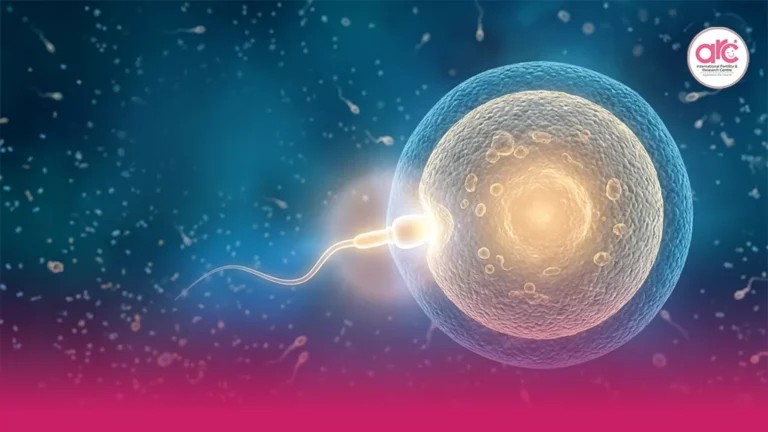
In IVF, embryos are created in the laboratory and transferred into the uterus. A twin pregnancy may happen in two main ways. The first is when two embryos are transferred and both implant. This results in fraternal twins, meaning each baby develops from a different embryo. The second is less common: one embryo is transferred, but it splits after implantation, creating identical twins.
This is why single embryo transfer greatly reduces the chance of twins but does not make it zero. Many patients are surprised by this. They assume “one embryo means one baby,” which is usually true, but biology can still behave unexpectedly. Your fertility specialist will explain this clearly because knowing the difference helps you make a calmer, informed decision.
One Embryo vs Two Embryos: How the Chances Change
Transferring one embryo is generally preferred when the embryo is good quality and the patient has a favourable prognosis. This approach aims to reduce multiple pregnancy risk while still giving a strong chance of pregnancy. It is especially considered in younger women, women with good-quality embryos, and cases where a blastocyst-stage embryo is available.
Transferring two embryos can increase the chance that at least one embryo implants, but it also increases the chance of twins. That may sound appealing at first, but twins are medically considered a higher-risk pregnancy compared with a singleton pregnancy. The goal of IVF is not just a positive test; it is a healthy pregnancy, safe delivery, and healthy baby.
The right decision depends on age, embryo grade, previous IVF attempts, the cause of infertility, uterine factors, and whether embryos have been genetically tested. For example, a woman with repeated failed transfers may have a different discussion from a woman doing her first IVF cycle with strong embryos. This is why embryo transfer planning should never feel like a one-size-fits-all instruction.
Why Some Couples Still Ask for Two Embryos
Couples often ask for two embryos because IVF is emotionally and financially demanding. After injections, scans, procedures, waiting periods, and cost concerns, it is natural to want to “maximise the chance” in one attempt. Some may also feel that twins would complete their family at once.
But fertility doctors look at the bigger picture. A twin pregnancy may require more monitoring, more rest, possible hospital visits, and sometimes earlier delivery. The emotional relief of conceiving twins can quickly become anxiety if complications appear. A good fertility team will not dismiss your wish; they will help you understand the trade-off between implantation possibility and pregnancy safety.
Risks of Twin Pregnancy After IVF
Most twin pregnancies are managed successfully with careful monitoring, but they do carry higher risks than singleton pregnancies. The mother may have a higher chance of high blood pressure, gestational diabetes, anaemia, excessive nausea, and preterm labour. The babies may have a higher chance of low birth weight, growth differences, NICU care, and early delivery.
These risks do not mean twins are unsafe for everyone. They mean that a twin pregnancy needs structured antenatal care from early pregnancy. Doctors may recommend more frequent scans to assess growth, placenta function, cervical length, and fluid levels. If the twins share a placenta, monitoring becomes even more important because certain complications are specific to that type of twin pregnancy.
Some patients also ask whether medicines such as aspirin or blood thinners increase twin chances. They do not create twins. These medicines may be considered only for specific medical reasons, such as clotting concerns or selected implantation-related factors. If this has been suggested in your case, it is worth reading more about low-dose aspirin and Lovenox before embryo transfer and discussing whether it applies to your diagnosis.
Does Twin Pregnancy Mean IVF Has Been More Successful?
Not necessarily. IVF success should be measured by healthy live birth, not by the number of babies conceived. A twin pregnancy may feel like a stronger result emotionally, but medically it requires more caution. Many fertility specialists now support elective single embryo transfer in appropriate patients because it reduces avoidable risk without compromising the larger goal of having a healthy child.
This can be difficult to accept when you are tired of waiting. Still, it is important to remember that the safest outcome is often one healthy baby at a time. A Best Fertiliy hospital in Chennai should guide patients with honesty, not pressure, especially when decisions involve both pregnancy chances and maternal safety.
Safe Pregnancy and Delivery Tips for IVF Twins
If you are pregnant with twins after IVF, early and consistent antenatal care matters. Confirming whether the twins have separate placentas and sacs is one of the first important steps. This helps doctors decide the scan schedule and level of monitoring needed.
Nutrition also becomes more important, but “eating for three” is not the right approach. Your doctor may focus on balanced protein intake, iron, calcium, folic acid, vitamin D, and weight gain appropriate for your body. Do not start supplements, blood thinners, or bed rest on your own. Twin pregnancy care should be personalised.
Pay attention to warning signs such as bleeding, leaking fluid, severe headache, swelling with high blood pressure symptoms, reduced fetal movements later in pregnancy, or regular tightening before the expected time. These symptoms do not always mean something is wrong, but they deserve prompt medical review.
Delivery planning should begin early. Some twin pregnancies can have vaginal birth if the first baby is head-down and other conditions are favourable. In other cases, a caesarean section may be safer. The decision depends on the babies’ positions, gestational age, placenta location, maternal health, and fetal wellbeing. Delivery should ideally happen in a facility prepared for maternal monitoring and newborn support.
Quick Comparison: One vs Two Embryos in IVF
| Factor | Single Embryo Transfer | Two Embryo Transfer |
|---|---|---|
| Chance of twins | Much lower, but not zero because one embryo can rarely split | Higher because both embryos may implant |
| Main benefit | Reduces multiple pregnancy risk while aiming for a healthy pregnancy | May be considered in selected cases where prognosis or history supports it |
| Pregnancy monitoring | Usually standard IVF pregnancy monitoring, unless other risks exist | Often needs closer antenatal follow-up if twins occur |
| Risk level if pregnancy occurs | Generally lower than twins | Twin pregnancy carries higher risks of preterm birth and maternal complications |
| Best suited for | Many patients with good-quality embryos and favourable prognosis | Selected patients after individual medical review and counselling |
Final Thoughts
Twin pregnancy in IVF is not simply a matter of luck or preference. It is connected to embryo number, embryo behaviour, maternal health, and careful clinical judgement. Transferring two embryos can increase the possibility of twins, while transferring one embryo keeps that risk much lower. But the safest decision is the one made after reviewing your personal fertility history, not by comparing yourself with someone else’s IVF journey.
If you are planning IVF or deciding between one and two embryos, ask your fertility specialist direct questions: What is my chance of pregnancy with one embryo? What makes two embryos reasonable or risky in my case? If twins happen, how will my pregnancy be monitored? Clear answers can reduce fear and help you feel more in control of the path ahead.
Frequently Asked Questions
Get answers to common questions about IVF treatment at ARC Fertility
Can IVF twins happen with only one embryo transfer?
Yes. Although it is uncommon, one embryo can split after implantation and result in identical twins. Single embryo transfer greatly reduces the chance of twins, but it cannot remove the possibility completely.
Does transferring two embryos guarantee twins?
No. Transferring two embryos does not guarantee twins. One embryo may implant, both may implant, or neither may implant. The outcome depends on embryo quality, uterine receptivity, age, medical history, and other fertility factors.
Is twin pregnancy after IVF more risky than a single pregnancy?
Twin pregnancy is generally considered higher risk than singleton pregnancy. It may increase the chance of preterm birth, low birth weight, high blood pressure, gestational diabetes, and the need for closer monitoring. Many twin pregnancies do well with structured antenatal care.
Should I choose two embryos to improve my IVF success?
This decision should be made with your fertility specialist. Two embryos may be considered in selected cases, but they also increase the risk of twins. The best plan depends on your age, embryo quality, previous IVF history, diagnosis, and overall health.
How early can doctors confirm twins after IVF?
Twins are usually suspected or confirmed during an early pregnancy ultrasound, commonly around the time your doctor checks for the gestational sac or heartbeat. Your clinic will guide the exact timing based on your beta hCG results and clinical situation.
Will I need a caesarean delivery if I have IVF twins?
Not always. Some twin pregnancies may be suitable for vaginal birth, especially if the first baby is head-down and there are no major complications. A caesarean may be recommended if it is safer for the mother or babies. The decision is made closer to delivery based on medical findings.
Do IVF twin pregnancies need more scans?
Often, yes. Twin pregnancies usually require closer monitoring to assess growth, placenta function, fluid levels, cervical length, and signs of preterm labour. The scan schedule may vary depending on whether the twins share a placenta and whether any complications appear.