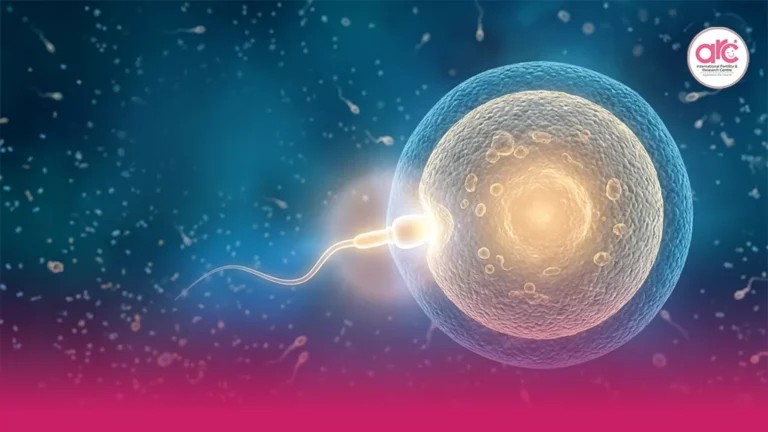
When Every Report Looks Normal, But Pregnancy Still Does Not Happen
Unexplained infertility is one of the most emotionally difficult fertility diagnoses because it sounds incomplete. Many women hear, “Your tubes are open, ovulation is happening, semen parameters are acceptable,” and yet month after month, pregnancy does not occur. Instead of relief, normal reports can sometimes create deeper confusion: if nothing is wrong, why is this still happening?
In fertility medicine, “unexplained” does not mean imaginary, hopeless, or untreatable. It means that the standard first-line tests have not identified a clear reason. There may still be subtle egg, sperm, tubal, uterine, hormonal, immune, or embryo-related factors that are not visible on basic testing. This is why a thoughtful fertility consultation should not stop at saying reports are normal; it should ask what might still be hidden and what next step gives the couple the best chance without wasting time.
If you are seeking clarity from a Fertiliy hospital in Chennai, the goal is not just to label the condition, but to understand your age, duration of trying, previous pregnancies, cycle pattern, partner factors, and emotional readiness before choosing between continued trying, IUI, or IVF.
What Does Unexplained Infertility Really Mean?
Unexplained infertility is usually considered when ovulation appears regular, fallopian tubes seem open, the uterus has no obvious major abnormality, and semen analysis does not show a severe male factor issue. However, conception is a chain of events. An egg must mature well, ovulate, meet sperm at the right time, fertilise, become a healthy embryo, travel into the uterus, implant, and continue developing. Basic tests can check parts of this chain, but not every microscopic step.
This is why many women with normal reports still ask why pregnancy has not happened. A deeper explanation of how normal fertility tests do not always explain delayed conception can help patients understand that “normal” does not always mean “complete.”
Common Hidden Causes Doctors May Look For
Subtle ovulation or egg-quality issues
A woman may have regular periods and still have variations in egg maturity, timing of ovulation, or luteal phase hormone support. Age is also important. Egg quantity and quality can reduce before obvious cycle changes appear. This does not mean every woman above 35 needs IVF immediately, but it does mean decisions should be more time-sensitive.
Mild endometriosis
Endometriosis can exist even without severe pain. Mild disease may affect the pelvic environment, egg pickup by the tube, inflammation, or implantation. Ultrasound may miss mild endometriosis, so doctors interpret symptoms such as painful periods, pain during intercourse, bowel discomfort around periods, or long-standing pelvic pain carefully.
Tubal function, not just tubal openness
A tube can appear open on testing, yet its movement, fine inner lining, or ability to pick up the egg may still be affected. Standard tests usually tell whether dye passes through the tube, not whether the tube is working perfectly.
Sperm function beyond the semen count
A semen analysis measures count, motility, and shape, but fertilisation also depends on sperm DNA integrity and functional capacity. In some couples, sperm DNA fragmentation testing may be considered, especially with repeated failed treatments, miscarriages, older male age, smoking, heat exposure, or lifestyle risk factors.
Uterine cavity and implantation factors
Small polyps, adhesions, subtle fibroids affecting the cavity, chronic inflammation of the endometrium, or a thin lining may interfere with implantation. These may need targeted imaging or hysteroscopy when clinically indicated.
Diagnostic Tests That May Be Considered
Not every patient needs every test. Good fertility care is not about ordering the longest list; it is about choosing tests that are likely to change the treatment plan. Doctors usually begin with cycle history, ultrasound, ovarian reserve tests such as AMH and antral follicle count, ovulation confirmation, semen analysis, and tubal assessment. Depending on the findings, additional tests may be added.
These may include thyroid and prolactin evaluation, vitamin or metabolic assessment where relevant, saline sonography, hysteroscopy, laparoscopy for suspected endometriosis, sperm DNA fragmentation testing, or infection/inflammation workup in selected cases. The important point is interpretation. A mildly low AMH, for example, does not diagnose infertility by itself, but it may influence how long a couple should continue less intensive treatment before moving ahead.
Many women also worry because they feel their body has changed suddenly. In reality, fertility can sometimes change without obvious warning signs, especially with age-related egg changes or silent conditions. This is why time matters, particularly after 35 or when infertility has lasted more than a year.
IUI vs IVF: How Doctors Think Through the Choice
IUI, or intrauterine insemination, places prepared sperm directly into the uterus around ovulation. It is less invasive than IVF and may be considered when the woman is younger, tubes are open, ovulation can be timed, semen parameters are reasonable, and infertility duration is not very long. It can be a sensible first step for selected couples because it improves timing and sperm placement, but it cannot confirm whether fertilisation is happening.
IVF, or in vitro fertilisation, allows eggs and sperm to meet in the laboratory. It gives doctors more information: how many eggs are retrieved, how they mature, whether fertilisation occurs, how embryos develop, and whether transfer can be planned carefully. IVF may be advised sooner when the woman is older, ovarian reserve is reduced, infertility has lasted longer, previous IUI attempts have failed, endometriosis is suspected, male factors are present, or the couple wants a more informative treatment route.
Success is never guaranteed with either IUI or IVF. The right question is not simply “Which has higher success?” but “Which option fits my diagnosis, age, time available, emotional bandwidth, and financial planning?” A supportive fertility team should discuss expected number of attempts, medication burden, monitoring visits, cost range, and when to change direction.
Cost, Time, and Emotional Readiness Matter Too
For many women, the hardest part is not only medical uncertainty but decision fatigue. Should you try naturally for three more months? Should you do IUI? Is IVF too early? Is waiting risky? These questions deserve careful answers, not pressure.
IUI usually involves cycle monitoring, ovulation trigger when needed, semen preparation, and insemination. IVF involves ovarian stimulation, egg retrieval, fertilisation, embryo culture, and embryo transfer. Because IVF includes more laboratory and procedural steps, it generally costs more than IUI. However, repeated lower-cost treatments that are unlikely to work can also become emotionally and financially draining. That is why personalised counselling is essential.
At a centre introduced as the Best Fertiliy hospital in Chennai, patients should expect clear explanations, realistic expectations, and a plan that respects both medical urgency and personal comfort.
Quick Comparison: IUI and IVF in Unexplained Infertility
| Treatment Aspect | IUI | IVF |
|---|---|---|
| How it works | Prepared sperm is placed inside the uterus around ovulation. | Eggs are retrieved and fertilised with sperm in the laboratory before embryo transfer. |
| What it can clarify | Improves timing and sperm placement but does not show fertilisation or embryo development. | Shows egg response, fertilisation, embryo growth, and can reveal hidden issues. |
| When it may fit | Younger age, open tubes, reasonable semen parameters, shorter infertility duration. | Older age, reduced ovarian reserve, longer infertility, failed IUI, suspected hidden factors. |
| Emotional and physical load | Usually less intensive, with fewer procedures. | More intensive, with injections, monitoring, egg retrieval, and lab steps. |
| Key limitation | May not overcome egg, sperm function, fertilisation, or embryo problems. | More complex and costly; success still depends on age, embryo quality, and uterine factors. |
What Should You Do Next?
If you have been told you have unexplained infertility, ask your doctor three practical questions: Are my basic tests complete and recent? Are there clues suggesting a hidden cause? Based on my age and duration of trying, how many cycles of IUI are reasonable before IVF should be discussed?
The best treatment plan is not the most aggressive one for everyone. It is the one that uses time wisely, avoids unnecessary delay, respects your emotional state, and gives you honest information at each step. With the right evaluation, unexplained infertility can become less mysterious and more manageable.
Frequently Asked Questions
Get answers to common questions about IVF treatment at ARC Fertility
Does unexplained infertility mean nothing is wrong?
No. It means the standard fertility tests have not found a clear cause. There may still be subtle issues related to egg quality, sperm function, tubal movement, endometriosis, fertilisation, embryo development, or implantation that basic tests cannot fully detect.
How long should I try naturally if I have unexplained infertility?
This depends mainly on your age, how long you have already been trying, ovarian reserve, semen parameters, and previous pregnancy history. Women under 35 may have more time for a stepwise approach, while women over 35 often need quicker decision-making because egg quality declines with age.
Is IUI useful for unexplained infertility?
IUI can help selected couples by improving timing and placing prepared sperm closer to the egg. It may be considered when tubes are open, ovulation is predictable or medically timed, semen parameters are acceptable, and the woman is relatively younger. It may be less useful after repeated failed attempts or when hidden factors are suspected.
When is IVF considered for unexplained infertility?
IVF may be considered when infertility has lasted longer, the woman is older, ovarian reserve is reduced, IUI has failed, endometriosis is suspected, sperm function concerns exist, or the couple wants more diagnostic information about fertilisation and embryo development.
Can all hidden causes of infertility be found before treatment?
Not always. Some issues, such as fertilisation failure or poor embryo development, may only become clear during IVF. Doctors try to avoid unnecessary testing, but they may recommend advanced evaluation when it is likely to change the treatment plan.
Is IVF guaranteed to work in unexplained infertility?
No fertility treatment can guarantee pregnancy. IVF may offer more information and often a more controlled treatment pathway, but outcomes depend on age, egg and sperm quality, embryo development, uterine health, and individual medical factors.
Should my partner be tested again if my reports are normal?
Yes, it can be helpful. Semen quality can vary over time, and a basic semen analysis may not show every sperm function issue. In selected cases, doctors may repeat semen analysis or consider additional tests such as sperm DNA fragmentation assessment.