Understanding Teratozoospermia Without Panic
When a semen analysis report mentions teratozoospermia, it can feel frightening, especially if you and your partner have already been trying to conceive for months. Many women read the report first, search online, and immediately wonder whether this means pregnancy cannot happen naturally. The honest answer is more nuanced: teratozoospermia can affect fertility, but it does not automatically mean infertility.
Teratozoospermia means that a higher-than-expected percentage of sperm have an abnormal shape, also called abnormal morphology. Sperm shape matters because a sperm must travel through the female reproductive tract, reach the egg, bind to it, and help fertilisation occur. However, fertility is never decided by one number alone. Doctors look at sperm count, movement, semen volume, female fertility factors, age, ovulation, fallopian tube health, and how long the couple has been trying.
At ARC Fertility Hospitals, this kind of report is usually treated as a starting point for deeper evaluation, not as a final verdict. The goal is to understand whether sperm morphology is mildly affecting conception or whether assisted fertility treatment may improve the chances of pregnancy.
What Does Teratozoospermia Mean in a Semen Report?
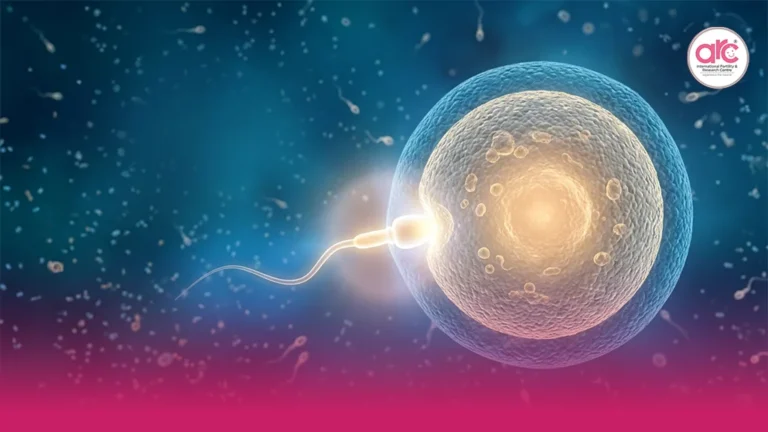
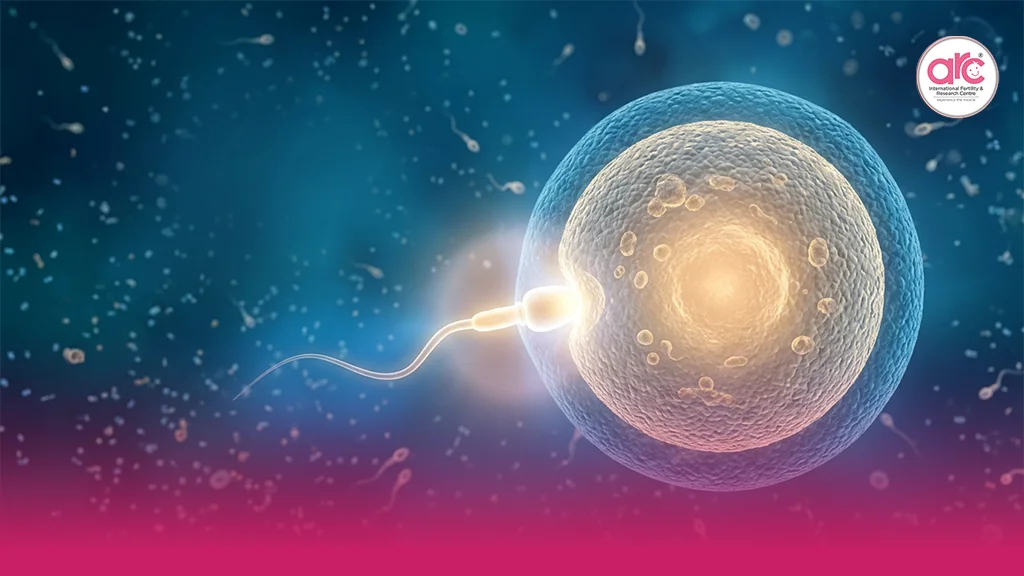
A semen analysis checks several sperm parameters. The most discussed ones are sperm count, motility, and morphology. Morphology refers to the size and shape of the sperm. A sperm has a head, midpiece, and tail. The head carries genetic material, the midpiece provides energy, and the tail helps the sperm swim. Abnormalities may involve a large or small head, double head, bent neck, thick midpiece, short tail, coiled tail, or other shape-related changes.
It is important to understand that every semen sample contains some abnormally shaped sperm. That is normal. Teratozoospermia is diagnosed when the proportion of normally shaped sperm falls below the reference level used by the laboratory. Even then, interpretation needs care because morphology assessment can vary between labs and technicians. This is one reason doctors may repeat the semen analysis after a few weeks before making treatment decisions.
For a woman trying to understand her partner’s report, the most useful question is not simply, “Is the morphology low?” A better question is, “How does this result fit with our full fertility picture?”
How Can Abnormal Sperm Shape Affect Fertility?
Sperm shape can influence fertility in a few ways. Some abnormally shaped sperm may not swim efficiently. Others may have difficulty reaching the egg or penetrating its outer layer. If many sperm are structurally abnormal, the overall chance of natural fertilisation may reduce.
But this does not mean fertilisation is impossible. If sperm count and motility are good, and the female partner is ovulating regularly with healthy fallopian tubes, pregnancy may still occur naturally. In other couples, teratozoospermia may combine with other factors, such as low motility, low count, irregular ovulation, endometriosis, blocked tubes, or age-related egg quality changes. When several small issues overlap, conception can become harder.
This is why fertility specialists do not treat semen analysis in isolation. A couple may need both male and female evaluation, because focusing only on one report can delay the right treatment plan.
What Causes Teratozoospermia?
There may not always be a single clear cause. Sperm development takes around three months, so illness, heat exposure, habits, stress, medications, infections, or lifestyle changes during that period can influence the result. Common contributing factors may include smoking, alcohol use, obesity, poorly controlled diabetes, varicocele, high fever, genital infections, hormonal imbalance, exposure to toxins, and long-term heat around the testicles.
Past infections may also matter in some men. For example, couples sometimes ask whether childhood infections like mumps can affect later fertility, especially if the infection involved swelling or pain in the testes. Not every childhood infection causes fertility problems, but a fertility specialist may consider this history during evaluation.
Lifestyle extremes may also influence reproductive health. Very intense training, inadequate recovery, or nutritional imbalance can affect hormones and sperm production in some men, which is why discussions around excessive exercise and fertility should be practical rather than fear-based. The aim is not to stop healthy movement, but to identify patterns that may be affecting reproductive balance.
Does Teratozoospermia Mean IVF Is the Only Option?
No. IVF is not automatically the first or only answer. Treatment depends on the severity of morphology issues, the presence of other semen abnormalities, the woman’s age, the duration of infertility, and previous treatment history.
If teratozoospermia is mild and other fertility factors are reassuring, a doctor may suggest timed intercourse for a limited period, lifestyle correction, supplements when appropriate, treatment of infection, or evaluation for varicocele. If the couple has been trying for a long time or if the woman is above 35, doctors may move more quickly because time becomes an important fertility factor.
IUI may be considered in selected cases when sperm count and motility after processing are adequate and the woman’s tubes are open. However, IUI may be less useful if morphology problems are severe or if there are multiple male factor issues.
IVF may help by bringing eggs and sperm together in a controlled laboratory environment. In more significant male factor infertility, ICSI may be recommended. In ICSI, a single selected sperm is injected directly into an egg. This does not guarantee pregnancy, but it can bypass some barriers related to sperm movement or shape. The decision between trying naturally, IUI, IVF, or ICSI should be made after a complete assessment, not fear.
What Should Women Know When Their Partner Has Teratozoospermia?
Many women quietly take on the emotional weight of a male factor report. They may wonder whether they should still undergo tests, whether their age makes the situation urgent, or whether treatment will be painful, expensive, or emotionally exhausting. These concerns are valid.
The key point is that fertility belongs to the couple, not only to one partner. Even when the semen report shows teratozoospermia, the woman’s fertility health still matters. Ovulation pattern, ovarian reserve, uterus health, thyroid levels, prolactin, AMH, and fallopian tube status may all influence the treatment plan. A 28-year-old woman with regular ovulation may have different options from a 38-year-old woman with reduced ovarian reserve, even if the semen report is similar.
Women should also know that repeating the semen analysis is often useful. Sperm parameters can fluctuate. A single abnormal result may not fully represent long-term fertility potential. Doctors may recommend a repeat test after lifestyle measures or treatment, usually after enough time has passed for new sperm production.
How Doctors Evaluate Teratozoospermia
A fertility specialist may begin with a detailed history, including duration of trying, previous pregnancies, sexual timing, fever or infections, surgeries, medications, lifestyle, occupation-related heat or toxin exposure, and symptoms of varicocele or hormonal imbalance. The semen analysis may be repeated in a reliable lab. In some cases, further tests such as hormone evaluation, scrotal ultrasound, infection screening, or sperm DNA fragmentation testing may be considered.
For the female partner, evaluation may include ultrasound, ovulation assessment, ovarian reserve testing, and tubal testing when needed. This combined approach helps avoid both overtreatment and delayed treatment. The right plan is the one that matches the couple’s biology, age, timeline, and emotional readiness.
Can Lifestyle Changes Improve Sperm Morphology?
Lifestyle changes cannot correct every cause of teratozoospermia, but they can support healthier sperm production in many cases. Doctors may advise stopping smoking, reducing alcohol, maintaining a healthy weight, sleeping better, managing diabetes or thyroid issues, avoiding unnecessary heat exposure, treating infections, and reviewing medications that may affect fertility.
Nutrition also matters. A balanced diet rich in antioxidants, adequate protein, fruits, vegetables, nuts, and whole grains may support sperm health. Supplements should be taken only after medical advice because not every couple needs the same approach, and excessive self-medication can create confusion.
When Should You See a Fertility Specialist?
You should consider consulting a fertility specialist if you have been trying to conceive for one year, or after six months if the woman is 35 or older. Earlier consultation is also sensible if the semen report shows significant abnormalities, the woman has irregular periods, known endometriosis, previous pelvic infection, low ovarian reserve, or a history of miscarriages.
Teratozoospermia can feel like a complicated word, but the next step does not have to be confusing. With careful evaluation, many couples can understand whether they should keep trying naturally, consider IUI, move toward IVF or ICSI, or first correct an underlying male health issue.
ARC Fertility Hospitals focuses on helping couples make these decisions with clarity and compassion. A semen report is not a judgment on masculinity, partnership, or hope. It is medical information. When interpreted correctly, it can guide the couple toward a more realistic, timely, and personalised fertility plan.