What Happens to Unused IVF Embryos?
For many women and couples, IVF begins with one strong hope: to have a baby. But as treatment progresses, another question may quietly appear: what happens to unused IVF embryos? It can feel practical, emotional, ethical, and deeply personal all at once.
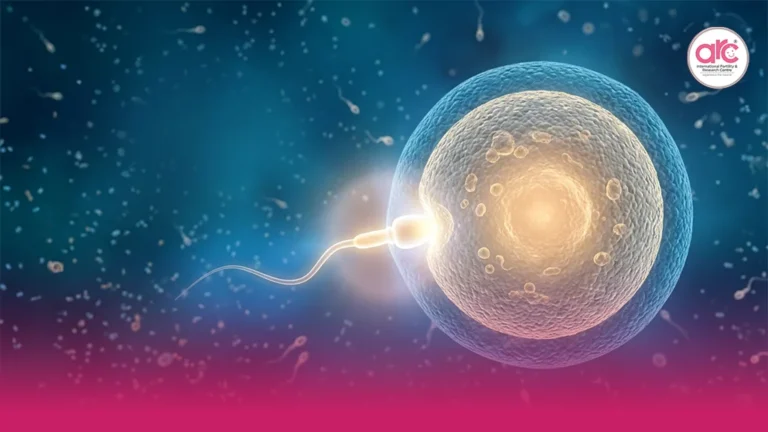
In IVF, eggs are collected from the ovaries and fertilised with sperm in the laboratory. Some embryos may be transferred into the uterus, while others of good quality may remain. These are called unused, surplus, or remaining embryos. They are not “extra” in an ordinary sense. For many patients, they represent time, treatment, money, injections, waiting, and hope.
At ARC Fertility Hospitals, patients are guided through this decision with medical clarity and emotional sensitivity. There is no single right answer for every family. The best decision depends on your health, age, family plans, embryo quality, legal rules, clinic policy, and your personal beliefs.
Why Are There Unused Embryos After IVF?
Unused embryos usually happen because IVF aims to create more than one viable embryo when possible. This is not done carelessly. It is part of improving the chance that at least one embryo may be suitable for transfer or freezing.
Not every egg collected becomes a healthy embryo. Not every embryo continues to grow well. And not every embryo is recommended for transfer. Doctors also avoid transferring too many embryos at once because multiple pregnancy can increase risks for the mother and babies. So, when more good-quality embryos are available than are transferred in the current cycle, they may be frozen for future use.
This is one reason IVF planning feels different from many other medical treatments. You are not only thinking about this month’s transfer. You may also be thinking about future children, the emotional pressure of another cycle, age-related fertility decline, and whether you want to avoid repeating ovarian stimulation later.
The Main Options for Unused IVF Embryos
1. Freezing Embryos for Future Use
The most common option is embryo freezing, also called cryopreservation. Embryos are frozen using advanced techniques, usually vitrification, which cools them very quickly and helps protect the cells from ice crystal damage. Frozen embryos can later be thawed and transferred in a frozen embryo transfer cycle.
This option is especially helpful if you may want another child in the future, if the current transfer does not lead to pregnancy, or if your doctor recommends delaying transfer for medical reasons. Some patients also freeze embryos before cancer treatment, surgery, or other situations that may affect fertility.
Freezing does not guarantee a pregnancy later, but it can preserve an important opportunity. The outcome depends on factors such as embryo quality, the woman’s age at the time eggs were collected, uterine health, sperm factors, and overall treatment planning.
2. Using Them in a Later IVF Cycle
If your first transfer does not result in pregnancy, frozen embryos may allow another attempt without repeating the entire egg stimulation and egg retrieval process. This can reduce physical strain, treatment time, and sometimes cost compared with starting from the beginning again.
If you already have a baby through IVF, remaining embryos may also be used later when you are ready to try for a sibling. This is why fertility specialists often ask about long-term family goals before treatment starts. Even if you are focused on one pregnancy now, your future plans matter.
Women who have had previous pregnancies or deliveries may need individual counselling before another embryo transfer. For example, if someone has had a caesarean birth earlier, questions about pregnancy spacing and birth planning may naturally come up, including whether normal delivery after a previous C-section may be possible in selected cases. These decisions are separate from embryo storage, but they often become part of the larger family-planning conversation.
3. Donation to Another Couple, Where Legally Permitted
Some people consider donating unused embryos to another individual or couple who cannot create embryos with their own eggs and sperm. This is sometimes called embryo donation. It can be meaningful for donors who feel comfortable helping another family, but it is also emotionally complex.
Embryo donation is regulated and may not be available in every setting. It requires counselling, legal documentation, consent from the appropriate parties, medical screening, and compliance with applicable fertility laws. If you are considering this, speak directly with your fertility clinic about what is permitted, what records are maintained, and what emotional implications should be understood before consenting.
4. Donation for Research, Where Available
In some places, unused embryos may be donated for approved research, provided the law allows it and the patients give informed written consent. Research may help improve fertility treatment, embryo culture methods, genetic understanding, or reproductive medicine knowledge.
However, this option is not simply a formality. Patients should clearly understand what kind of research may be done, whether embryos will be used only within permitted limits, and whether they will not be used for pregnancy after donation. If a clinic or research centre does not offer this option, patients may need to consider other choices.
5. Discarding or Allowing Embryos to Stop Developing
Some patients decide they do not want to store, use, or donate their unused embryos. In such cases, embryos may be thawed and allowed to stop developing, or discarded according to clinic policy and legal requirements. This option requires informed consent and can be emotionally difficult, even when patients are confident that their family is complete.
It is normal to feel grief, hesitation, guilt, or uncertainty. These feelings do not mean you are making the wrong decision. They mean the decision carries meaning. A good fertility team will not rush you, pressure you, or treat the choice as merely administrative.
How Long Can Embryos Stay Frozen?
Embryos can often remain frozen for several years, but storage duration depends on local law, clinic policy, consent renewal, and payment of storage fees. Patients should ask how long embryos can be stored, how often consent must be renewed, what happens if the clinic cannot contact them, and what fees apply each year.
This is an important practical point. Many couples move cities, change phone numbers, or postpone decisions because life gets busy after treatment. Keeping your contact details updated with the clinic is essential. If embryos are stored, the responsibility does not end after IVF; it continues through consent, communication, and renewal decisions.
Who Decides What Happens to the Embryos?
Embryo decisions are usually made by the people who provided the eggs and sperm, according to signed consent forms and applicable regulations. Before IVF begins, clinics typically ask patients to document their wishes about embryo freezing, storage, use after separation, non-payment of storage, serious illness, or death.
These forms can feel uncomfortable to read at the beginning of treatment, but they exist to protect everyone involved. IVF is emotionally intense, and circumstances can change. Clear consent helps avoid confusion later.
If you are unsure what to choose, it is reasonable to ask for more time, counselling, or a second discussion with your fertility specialist. You should understand the medical, legal, financial, and emotional consequences before signing any final instruction.
Do Unused Embryos Mean the IVF Cycle Was Too Aggressive?
Not necessarily. Having unused embryos does not automatically mean too many eggs were collected or that treatment was excessive. IVF protocols are personalised based on ovarian reserve, age, hormone levels, previous response, sperm quality, and treatment goals.
Some women produce only one or two eggs. Others produce several. Even before IVF, ovulation itself can be confusing; for example, some women may see a positive test but still have questions about whether ovulation truly occurred, as explained in this guide on a positive ovulation test without egg release. Fertility treatment tries to move beyond guesswork by using scans, blood tests, semen analysis, embryo grading, and carefully timed procedures.
The goal is not to create unnecessary embryos. The goal is to give patients a medically reasonable chance while reducing avoidable risks. A responsible clinic will explain why a particular stimulation plan is recommended and how embryo transfer decisions are made.
Questions to Ask Before Deciding
Before making a decision about unused IVF embryos, ask your fertility team: How many embryos are frozen? What is their quality or grade? What are the chances of using them later? What storage fees apply? What consent forms are needed? What happens if we do not renew storage? Are donation or research options legally available? Can we change our decision later?
Also ask yourself more personal questions. Do I want another child? Would I feel comfortable donating embryos? Would long-term storage bring peace or prolong uncertainty? How does my partner feel? Are our beliefs aligned? These conversations can be tender, but avoiding them often makes the decision heavier later.
How ARC Fertility Hospitals Supports Patients
At ARC Fertility Hospitals, embryo-related counselling is part of responsible fertility care. Patients are helped to understand embryo freezing, frozen embryo transfer, success factors, storage responsibilities, and consent requirements without being pushed toward one choice.
The medical team evaluates each case individually, because embryo decisions are connected to age, diagnosis, uterine health, ovarian response, previous IVF outcomes, and future family goals. Just as importantly, the emotional side is acknowledged. Patients are not machines moving through a treatment plan; they are people making some of the most intimate decisions of their lives.
Final Thoughts
So, what happens to unused IVF embryos? They may be frozen for future use, transferred in another cycle, donated where permitted, used for approved research where available, or discarded after informed consent. The right path depends on your medical situation, legal options, values, and readiness.
If you are facing this decision, take your time. Ask clear questions. Review your consent forms carefully. Speak with your fertility specialist and, if needed, a counsellor. Unused embryos are not just a clinical detail after IVF. They are part of your fertility story, and you deserve guidance that treats them with care, honesty, and respect.