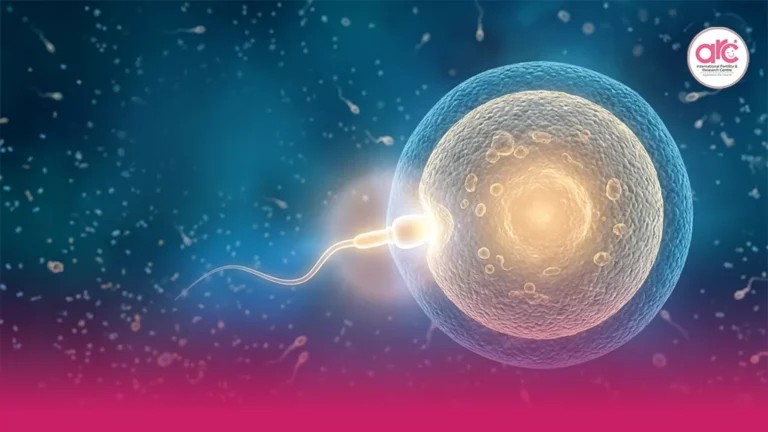
You tracked your cycle, noticed your fertile days, timed intercourse carefully, and still got your period. If this has happened more than once, it can feel confusing and emotionally heavy. Many women ask the same quiet question: Why Am I Not Getting Pregnant During My Fertile Window?
The short answer is that the fertile window improves the chance of conception, but it does not guarantee pregnancy. Conception depends on several things working together in the same cycle: ovulation, healthy sperm, open fallopian tubes, good egg quality, a receptive uterine lining, and the right hormonal signals after ovulation. Even when timing is correct, one missing link can delay pregnancy.
The fertile window is important, but it is not the whole story
The fertile window usually refers to the few days before ovulation and the day of ovulation. Sperm can survive for a limited time in fertile cervical mucus, and the egg remains viable for only a short period after ovulation. This is why timing matters. But fertility is not only a calendar calculation.
Some women ovulate earlier or later than expected. Others may get a positive ovulation predictor kit but release the egg later, or not ovulate reliably in every cycle. Stress, thyroid imbalance, polycystic ovary syndrome, weight changes, intense exercise, poor sleep, and certain medications can all affect ovulation timing. So, you may be trying during what looks like the fertile window, while your body’s actual fertile days are slightly different.
Ovulation may not be happening as predictably as you think
Regular periods often suggest ovulation, but they do not prove that ovulation is strong or consistent every month. Some women have cycles that look normal on the outside but have hormonal issues that affect egg release or the luteal phase, which is the time after ovulation when progesterone supports the uterine lining.
Doctors may evaluate ovulation through cycle history, ultrasound follicle tracking, blood tests such as progesterone after ovulation, thyroid testing, prolactin levels, and assessment for PCOS when symptoms suggest it. This helps move the question away from guessing and toward clear evidence.
Sperm health matters just as much as timing
Many couples focus only on the woman’s fertile window, but sperm factors are involved in a significant number of fertility delays. Sperm count, movement, shape, DNA quality, infections, smoking, alcohol use, heat exposure, varicocele, diabetes, obesity, and certain medicines can affect the ability of sperm to reach and fertilise the egg.
A semen analysis is usually one of the simplest and most useful early fertility tests. It is non-invasive, relatively quick, and can prevent months of unnecessary uncertainty. If the sperm report is borderline or abnormal, treatment may involve lifestyle changes, medication, surgery for selected conditions, IUI, IVF, or ICSI depending on severity.
Your fallopian tubes need to be open
Pregnancy happens when sperm and egg meet, usually inside the fallopian tube. If one or both tubes are blocked, fertilisation may not occur even when ovulation and intercourse timing are perfect. Tubal blockage can be linked to pelvic infections, endometriosis, previous abdominal or pelvic surgery, ectopic pregnancy, or sometimes no obvious symptoms at all.
Doctors may advise tests such as HSG, sonosalpingography, or laparoscopy in selected cases to check whether the tubes are open. This is especially important if you have been trying for some time, have painful periods, a history of pelvic infection, or previous surgery.
Egg quality and age can change the chances each cycle
Age does not only affect the number of eggs; it also affects egg quality. From the early 30s onward, and more noticeably after 35, the proportion of eggs with chromosomal abnormalities gradually increases. This can make fertilisation, implantation, and early pregnancy continuation more difficult.
This does not mean pregnancy is impossible after 35. It means waiting too long without evaluation may reduce options. If you are under 35 and have been trying for 12 months, or 35 or older and trying for 6 months, it is sensible to meet a fertility specialist. If you have irregular cycles, known endometriosis, PCOS, previous pelvic surgery, recurrent miscarriages, or a male factor concern, seeking help earlier is reasonable.
Implantation also depends on the uterus and hormones
Fertilisation is only one step. The embryo also needs to implant in a receptive uterine lining. Fibroids that distort the uterine cavity, polyps, adhesions, chronic inflammation, endometriosis, thin lining, or hormonal imbalance may affect implantation. These issues may not always cause obvious symptoms.
Evaluation may include pelvic ultrasound, hormone testing, and sometimes hysteroscopy if the doctor suspects a cavity-related issue. Treatment depends on the finding; not every fibroid or cyst needs surgery, and not every delayed conception needs IVF. The aim is to identify what is actually preventing pregnancy, rather than treating blindly.
What about the two-week wait?
The days after ovulation can feel emotionally intense. Every cramp, discharge change, or mood shift may feel like a sign. But early pregnancy symptoms and premenstrual symptoms can overlap, so symptom-watching often increases anxiety more than clarity. During this phase, focus on steady meals, sleep, gentle movement, and avoiding repeated early testing. For practical food guidance during this waiting period, you may find ARC’s article on what to eat during the two-week wait helpful.
When should you consider fertility evaluation?
It is understandable to feel hesitant about seeing a fertility doctor. Some women worry that a consultation automatically means IVF. In reality, a fertility evaluation is simply a structured way to understand what is happening. Some couples need only ovulation support or timed intercourse guidance. Some may benefit from IUI. Others may need IVF if tubes are blocked, sperm factors are severe, age is a concern, or previous treatments have not worked.
If you are looking for a Fertiliy hospital in Chennai, choose a centre that explains investigations clearly, discusses both partners, and does not rush you into treatment without a reason. Patients often value a team that can talk through options such as timed intercourse, IUI, IVF, fertility preservation, and advanced reproductive techniques with medical honesty. ARC Fertility Hospitals supports couples with personalised fertility assessment and treatment planning, especially when repeated fertile-window attempts have not led to pregnancy.
For women comparing options and wondering how to choose the Best Fertiliy hospital in Chennai, the most important question is not only about technology; it is whether the clinic investigates the real cause, explains the treatment logic, and respects the emotional weight of the journey.
Common reasons pregnancy may not happen despite fertile-window timing
| Possible factor | Why it matters | What doctors may check |
|---|---|---|
| Incorrect ovulation timing | Your predicted fertile days may not match actual egg release. | Cycle history, ovulation kits, ultrasound follicle tracking, progesterone test. |
| Irregular or weak ovulation | Egg release may be delayed, inconsistent, or hormonally unsupported. | Thyroid, prolactin, PCOS assessment, ovarian reserve tests. |
| Sperm factor | Sperm may not reach or fertilise the egg effectively. | Semen analysis and, if needed, further male fertility evaluation. |
| Blocked fallopian tubes | Egg and sperm may not be able to meet naturally. | HSG, sonosalpingography, or laparoscopy in selected cases. |
| Uterine or implantation issue | The embryo may struggle to implant in the uterine lining. | Pelvic ultrasound, hormone tests, hysteroscopy when indicated. |
| Age-related egg quality changes | Fertilisation and embryo development may become less predictable. | Age-based counselling, AMH, antral follicle count, treatment planning. |
Final thoughts
Not getting pregnant during the fertile window does not mean you did something wrong. It also does not automatically mean you need advanced treatment. It means your body may need a closer, calmer look. Fertility is shared between egg, sperm, tubes, uterus, hormones, timing, and age. When those pieces are assessed together, the next step becomes clearer.
If trying has started to feel like a cycle of hope and disappointment, consider speaking with a fertility specialist. The right evaluation can reduce guesswork, protect time, and help you choose a path that fits your medical situation and emotional readiness.
Frequently Asked Questions
Get answers to common questions about IVF treatment at ARC Fertility
Can I still fail to get pregnant even if I time intercourse perfectly?
Yes. Correct timing improves the chance of conception, but pregnancy also depends on ovulation quality, sperm health, open fallopian tubes, egg quality, uterine health, and implantation. A fertile window is an opportunity, not a guarantee.
How long should I try during my fertile window before seeing a fertility doctor?
If you are under 35, consider evaluation after 12 months of regular unprotected intercourse. If you are 35 or older, seek advice after 6 months. See a specialist earlier if you have irregular periods, PCOS, endometriosis, previous pelvic surgery, recurrent miscarriage, or known male fertility concerns.
Does a positive ovulation test mean I definitely ovulated?
Not always. Ovulation tests detect the LH surge, which usually happens before ovulation, but they do not confirm that the egg was released. Conditions such as PCOS can sometimes cause confusing results. Ultrasound tracking or a post-ovulation progesterone test can give clearer confirmation.
Should my partner get tested if I am tracking ovulation correctly?
Yes. A semen analysis is often recommended early because sperm factors can contribute to delayed conception even when the woman is ovulating regularly. Testing both partners avoids unnecessary delay and helps doctors choose the right treatment plan.
Is IVF the only option if I am not conceiving during my fertile window?
No. Treatment depends on the cause. Some couples may need ovulation induction, timed intercourse guidance, lifestyle changes, or IUI. IVF may be advised when there are blocked tubes, severe sperm factors, advanced age concerns, endometriosis, low ovarian reserve, or repeated unsuccessful simpler treatments.
Can stress stop me from getting pregnant?
Stress alone is rarely the only reason for infertility, but severe or prolonged stress can affect sleep, hormones, intercourse frequency, and cycle regularity. It is worth caring for emotional wellbeing, but you should not blame yourself. If pregnancy is delayed, medical evaluation is more useful than self-blame.
What tests are commonly done when pregnancy is not happening?
Doctors may suggest ovulation assessment, AMH and antral follicle count for ovarian reserve, thyroid and prolactin tests, pelvic ultrasound, semen analysis, and fallopian tube testing. The exact tests depend on your age, cycle pattern, symptoms, and how long you have been trying.