Best vitamins to improve egg quality naturally: what women should know
When a woman starts thinking seriously about pregnancy, the phrase “egg quality” can suddenly feel very personal. It is not just a medical term. It often carries questions like, “Is it too late?”, “Can I improve my chances?”, “Will vitamins help?”, or “Do I need IVF?” The honest answer is balanced: vitamins cannot turn back biological age or guarantee pregnancy, but correcting nutritional gaps can support the environment in which eggs grow and mature.
Egg development is not an overnight process. The eggs that may respond in a treatment cycle are influenced by the body’s health over several weeks to months. This is why fertility doctors often look at nutrition, hormones, ovarian reserve, lifestyle, male factors, and medical history together. At ARC Fertility Hospitals, women are guided with this broader view rather than being told that one supplement alone can solve fertility concerns. If you are comparing care options, choosing a trusted Best Fertility Hospital in Chennai can help you move from guesswork to clear fertility planning.
What does egg quality really mean?
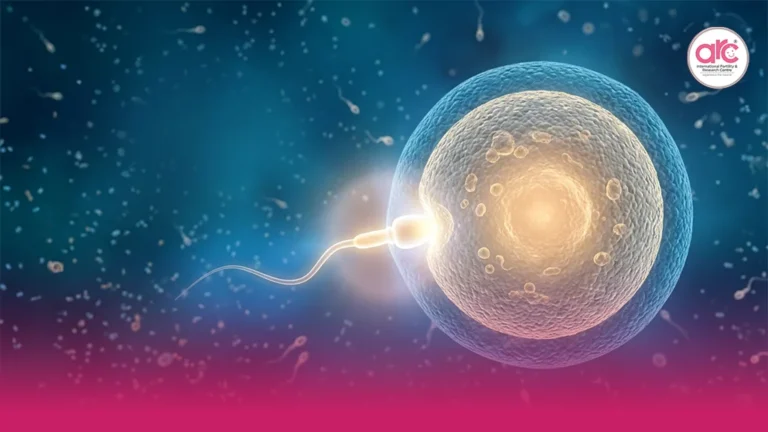
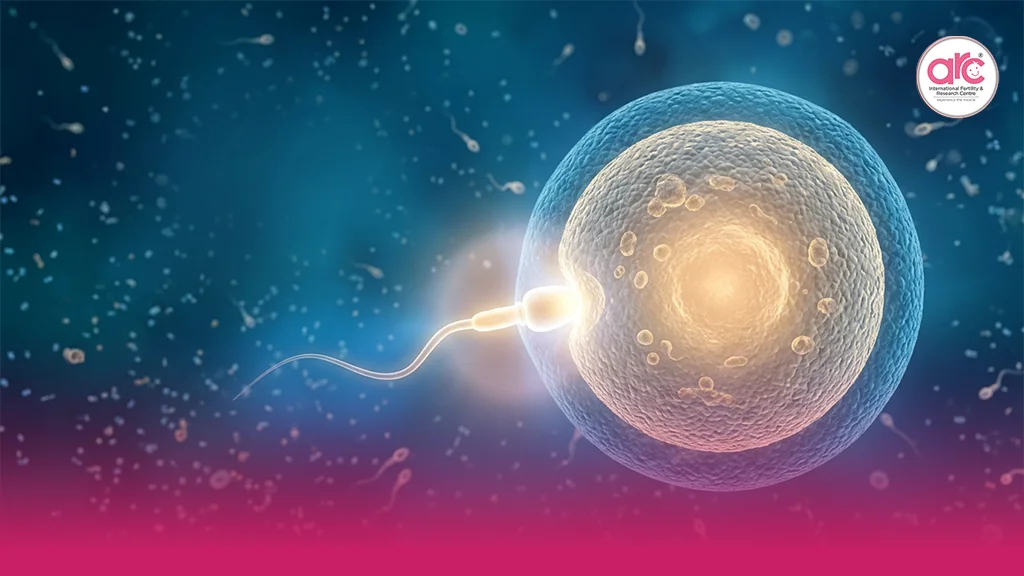
Egg quality refers to an egg’s ability to mature properly, fertilise, divide normally after fertilisation, and support embryo development. Age is the strongest factor because the number and chromosomal health of eggs naturally decline over time. However, other factors can also influence the ovarian environment, including vitamin deficiencies, thyroid imbalance, insulin resistance, endometriosis, PCOS, smoking, poor sleep, high oxidative stress, and being significantly underweight or overweight.
This is why two women of the same age may have different fertility journeys. One may need only lifestyle correction and timed intercourse, while another may require IUI, IVF, ICSI, or embryo testing depending on the complete diagnosis. Vitamins can be supportive, but they work best when used as part of a medically guided plan.
Vitamin D: important for reproductive hormone balance
Vitamin D is one of the most commonly discussed nutrients in fertility care. Low vitamin D levels are frequently seen in women, even in sunny climates, because indoor routines, sunscreen use, diet patterns, and individual absorption vary. Vitamin D receptors are present in reproductive tissues, and adequate levels may support ovarian function, hormone balance, and general metabolic health.
This does not mean taking high-dose vitamin D without testing. Excess vitamin D can be harmful. A simple blood test can show whether supplementation is needed and at what dose. For women with PCOS, irregular cycles, or repeated fertility treatment delays, checking vitamin D is often a practical starting point.
Folate: essential before conception and early pregnancy
Folate, or vitamin B9, is one of the most important preconception nutrients. It supports DNA synthesis and cell division, both of which matter during egg maturation and early embryo growth. Doctors commonly recommend folic acid before conception because it also reduces the risk of neural tube defects in early pregnancy.
Women planning pregnancy should not wait until a positive pregnancy test to start folate. Since early fetal development begins before many women realise they are pregnant, preconception supplementation is safer. Some women may require methylfolate or specific dosing based on medical history, prior pregnancy loss, anemia, or doctor recommendation.
Vitamin B12: often overlooked but very important
Vitamin B12 supports red blood cell formation, nerve health, DNA synthesis, and overall cellular function. Deficiency is more common in women who follow vegetarian or vegan diets, have absorption issues, take certain medicines, or have long-standing digestive concerns.
Low B12 can contribute to fatigue, anemia-like symptoms, and raised homocysteine levels, which may affect reproductive health. If you are planning pregnancy and feel unusually tired, have tingling sensations, mouth ulcers, or a restricted diet, it is worth discussing B12 testing with a fertility specialist or physician.
Vitamin C: antioxidant support for reproductive cells
Vitamin C is an antioxidant, meaning it helps reduce oxidative stress in the body. Oxidative stress can damage cells, including reproductive cells, when free radicals exceed the body’s natural defence capacity. In fertility care, antioxidants are often discussed because eggs are sensitive to the environment in which they mature.
Food sources such as citrus fruits, guava, amla, berries, capsicum, and leafy vegetables are helpful. Supplementation may be considered when dietary intake is poor, but very high doses are not automatically better. In fertility, more is not always safer; the right amount matters.
Vitamin E: cell protection, but dosage matters
Vitamin E is another antioxidant that supports cell membrane health. Some fertility protocols include vitamin E when doctors are focusing on oxidative stress, endometrial health, or general preconception nutrition. However, vitamin E can interact with blood-thinning medicines and may not be suitable in high doses for everyone.
If you are already taking a multivitamin, fertility supplement, or prenatal tablet, check the label before adding more. Many women accidentally double-dose vitamins because different products contain overlapping ingredients.
CoQ10: not a vitamin, but commonly used for egg health
Coenzyme Q10, often called CoQ10, is not technically a vitamin, but it is widely discussed in fertility care because it supports mitochondrial energy production. Eggs need a high amount of cellular energy during maturation, fertilisation, and early embryo division. Since mitochondrial function declines with age, CoQ10 is often considered for women in their mid-30s and beyond, or for those preparing for IVF.
Still, CoQ10 is not a magic capsule. It may support the body’s cellular energy system, but it cannot guarantee better embryos or pregnancy. It is best started only after discussing your age, ovarian reserve, treatment timeline, and current medications with a fertility doctor.
How long do vitamins take to support egg quality?
Many women expect supplements to work within a few weeks, but fertility nutrition usually needs patience. Egg development takes roughly three months before ovulation. That is why doctors may suggest a 8 to 12 week preparation window before trying naturally, IUI, or IVF, especially when there is no urgent age-related concern.
However, if you are over 35, have very low AMH, irregular periods, endometriosis, repeated miscarriage, or have been trying for a long time, waiting several months without evaluation may not be ideal. In such cases, supplements can run alongside testing and treatment planning instead of delaying care.
Why testing matters before taking fertility supplements
A common mistake is buying multiple fertility supplements before understanding the actual fertility issue. Egg quality is only one part of conception. Ovulation, fallopian tube health, sperm quality, uterine condition, thyroid function, prolactin levels, AMH, and age all matter. Sometimes the couple spends months on vitamins when the real issue is blocked tubes, severe male factor infertility, or reduced ovarian reserve.
Before IVF or advanced treatment, doctors usually recommend a structured workup. If you want to understand this clearly, ARC’s guide on tests done before IVF explains why evaluation is not just a formality but the foundation of a safer treatment plan.
Can vitamins improve IVF success?
Vitamins may support general reproductive health and correct deficiencies, but IVF success depends on many factors: age, egg reserve, sperm quality, stimulation response, embryo quality, uterine receptivity, lab standards, and the doctor’s treatment protocol. A woman with vitamin D deficiency may benefit from correction, but that does not mean vitamin D alone determines IVF outcome.
During IVF, doctors try to retrieve mature eggs through controlled ovarian stimulation. The aim is not just to get more eggs, but to get usable, mature eggs while keeping the patient safe. If you are preparing for treatment, learning about ovarian stimulation in IVF can help you understand why monitoring and personalised dosing are important.
IUI vs IVF: where do vitamins fit in?
For younger women with open tubes, regular ovulation, and mild sperm issues, IUI may be considered before IVF. Vitamins may be used as supportive preconception care in such cases. But if there are blocked tubes, severe sperm abnormalities, advanced maternal age, very low ovarian reserve, or previous failed IUIs, IVF may be more appropriate.
This is where self-treatment becomes risky. A supplement plan may feel reassuring, but it should not replace diagnosis. The right treatment is based on why pregnancy is not happening, not just on how long a couple has been trying.
Cost concerns: spend wisely, not emotionally
Fertility supplements can become expensive, especially when women buy multiple products based on social media advice. The smarter approach is to test first, correct what is deficient, choose a doctor-approved prenatal or supplement plan, and avoid unnecessary duplication. This helps reduce emotional spending and keeps the focus on what may genuinely help.
For women planning treatment in Tamil Nadu, consulting an experienced Fertility Hospital in Chennai can help clarify whether you need only nutritional correction, ovulation support, IUI, IVF, or a more advanced fertility plan.
Practical daily steps that support egg health
Along with doctor-recommended vitamins, focus on habits that reduce oxidative stress and support hormone balance. Eat protein-rich meals, include colourful vegetables and fruits, maintain a healthy weight, sleep consistently, avoid smoking, limit alcohol, manage blood sugar if you have PCOS or insulin resistance, and do not over-exercise. Gentle consistency often helps more than extreme routines.
Most importantly, do not blame yourself for fertility struggles. Egg quality is influenced by biology, age, genetics, and medical factors—not willpower alone. Vitamins can be one part of a hopeful plan, but compassionate medical guidance can make that plan clearer and safer.
Final thoughts
The best vitamins to improve egg quality naturally are usually those that correct deficiencies and support cellular health, such as vitamin D, folate, B12, vitamin C, and vitamin E. CoQ10 may also be discussed in fertility planning, especially before IVF. But the best results come when supplements are personalised after evaluation.
If pregnancy has not happened despite regular trying, or if you are over 35 and planning conception, do not wait too long with supplements alone. A timely fertility assessment can protect both your time and your emotional energy.