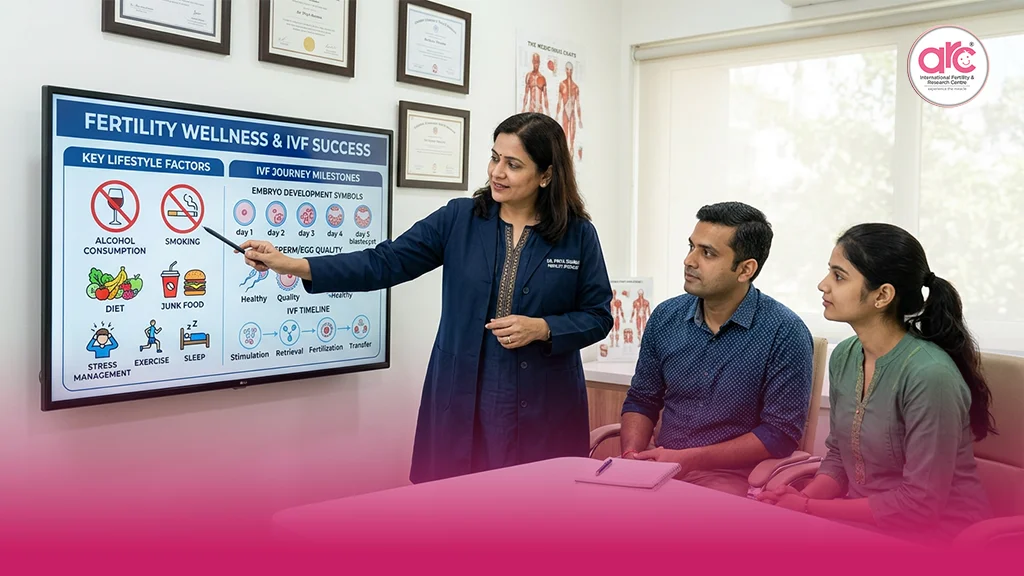
When you’re preparing for IVF, every decision can feel significant.
Should you change your diet? Sleep more? Exercise differently? And one question that comes up frequently is: Can alcohol affect IVF success?
The short answer is that alcohol is unlikely to determine the outcome of an IVF cycle on its own. However, because IVF involves carefully timed hormonal changes, egg development, embryo growth, and implantation, fertility specialists generally recommend avoiding or significantly reducing alcohol before and during treatment.
For many couples, this advice isn’t about fear. It’s about giving the body the best possible environment for conception and pregnancy.
Why Alcohol Becomes a Concern During IVF
IVF is a highly coordinated process.
The ovaries are stimulated to produce multiple eggs, hormone levels are closely monitored, embryos are created in the laboratory, and the uterus is prepared for implantation. Throughout this process, doctors aim to reduce factors that could potentially interfere with reproductive health.
Alcohol affects several systems within the body, including:
- Hormonal regulation
- Liver function
- Sleep quality
- Inflammation levels
- Nutrient absorption
- Overall metabolic health
While occasional drinking may not completely prevent pregnancy, regular or excessive alcohol consumption can influence the body’s ability to function optimally during fertility treatment.
Can Alcohol Affect Female Fertility?
Research suggests that higher alcohol consumption may affect female reproductive health in several ways.
Alcohol may influence:
Hormonal Balance
The menstrual cycle relies on precise communication between the brain, ovaries, and reproductive hormones. Excessive alcohol intake can interfere with this hormonal signalling and potentially affect ovulation.
Egg Quality
Egg quality naturally declines with age, but lifestyle factors may also play a role. Some studies suggest that heavy alcohol use may contribute to oxidative stress, which can affect reproductive cells.
Implantation Environment
Successful pregnancy requires a healthy uterine lining and proper hormonal support. While alcohol does not directly stop implantation, fertility specialists often recommend avoiding anything that could potentially interfere with early pregnancy development.
For women undergoing IVF, the goal is to minimise avoidable risks wherever possible.
Can Alcohol Affect Male Fertility Too?
Absolutely.
One of the most common misconceptions is that fertility preparation is only the woman’s responsibility.
Male fertility contributes to nearly half of all infertility cases, and alcohol can affect sperm health.
Excessive alcohol consumption may impact:
- Sperm count
- Sperm motility
- Sperm morphology
- Testosterone production
- DNA integrity within sperm cells
Since embryo quality depends on both egg and sperm quality, many fertility specialists advise both partners to reduce or eliminate alcohol before IVF treatment begins.
Should You Stop Drinking Before Starting IVF?
Most fertility specialists recommend avoiding alcohol entirely during IVF preparation and treatment.
This recommendation is not based on a single study proving that one drink causes IVF failure. Instead, it follows a precautionary principle.
IVF involves a significant emotional, physical, and financial investment. Eliminating alcohol removes one variable that may potentially affect reproductive health.
Many clinics advise stopping alcohol:
- During ovarian stimulation
- Before egg retrieval
- Before sperm collection
- During embryo transfer preparation
- Throughout the two-week wait
- During early pregnancy
Even if occasional alcohol has only a small effect, most couples feel more comfortable knowing they have done everything reasonably possible to support treatment.
What About Alcohol During the Two-Week Wait?
The period between embryo transfer and pregnancy testing is often one of the most emotionally challenging parts of IVF.
During this phase, many patients become concerned that ordinary activities could affect implantation.
Current evidence does not suggest that a single accidental drink automatically causes implantation failure. However, because pregnancy may already be beginning during this period, fertility specialists generally advise avoiding alcohol entirely until pregnancy status is confirmed.
The focus should be on consistency rather than perfection.
Take medications as prescribed, stay hydrated, maintain a balanced diet, and follow your doctor’s recommendations.
Does Alcohol Affect IVF Success Rates?
IVF success depends on many factors, including:
- Female age
- Egg quality
- Ovarian reserve
- Sperm quality
- Embryo development
- Uterine receptivity
- Underlying fertility diagnosis
Alcohol is only one small piece of a much larger picture.
However, because IVF success relies on multiple biological processes working together, reducing alcohol intake is considered a sensible step toward creating the best possible conditions for treatment.
Many patients searching for the Best Fertility Hospital in Chennai are surprised to learn that IVF success is often influenced more by diagnosis, treatment planning, embryo quality, and age than by any single lifestyle factor.
What If You Drank Before Knowing You Were Pregnant?
This is a very common concern.
Many women consume alcohol before discovering they are pregnant, particularly during the IVF waiting period or early conception stages.
If this happens, try not to panic.
Contact your fertility specialist for guidance and continue following your treatment plan. In most cases, one isolated exposure is not viewed the same way as ongoing alcohol consumption throughout pregnancy.
The important step is stopping once pregnancy becomes a possibility or is confirmed.
Building Healthy Habits Before IVF
Rather than focusing only on alcohol, think about overall fertility health.
Helpful habits include:
- Prioritising sleep
- Maintaining a healthy weight
- Eating balanced meals
- Managing chronic medical conditions
- Taking prescribed supplements
- Exercising moderately
- Avoiding smoking
- Limiting caffeine to recommended levels
These habits work together to support reproductive health before and during treatment.
When Should You Seek Fertility Advice?
If you have been trying to conceive for 12 months without success (or 6 months if you are over 35), it may be time to seek professional guidance.
Earlier evaluation is recommended if you have:
- Irregular periods
- PCOS
- Endometriosis
- Previous pelvic infections
- Recurrent miscarriage
- Known male fertility concerns
At ARC Fertility Hospitals, a leading Fertility Hospital in Chennai, fertility specialists evaluate both partners and create personalised treatment plans based on individual fertility factors rather than assumptions.
Final Thoughts
So, does alcohol affect IVF treatment?
Alcohol is unlikely to be the sole reason an IVF cycle succeeds or fails. However, because fertility treatment depends on precise biological processes, most fertility specialists recommend avoiding alcohol before and during IVF.
The goal is not perfection. The goal is to give yourself the best possible chance of success while reducing unnecessary risks.
If you are preparing for IVF, focus on the bigger picture: a healthy lifestyle, accurate diagnosis, appropriate treatment planning, and expert fertility guidance. Together, these factors matter far more than any single drink ever could.