Overview
The days after an embryo transfer can feel like one long waiting game.
You’ve completed the injections.
You’ve attended the appointments.
The embryo transfer is done.
Now comes the two-week wait, a period filled with hope, anticipation, and plenty of questions.
One of the most common questions fertility specialists hear is
Can I swim after embryo transfer?
Maybe you have a vacation planned.
Maybe swimming is part of your regular exercise routine.
Or perhaps the summer heat simply makes a pool look too tempting to resist.
The good news is that most everyday activities do not interfere with embryo implantation. However, when it comes to swimming after embryo transfer, there are a few important considerations to keep in mind.
Let’s explore what fertility specialists recommend.
What Happens After an Embryo Transfer?
Before discussing swimming, it helps to understand what happens after embryo transfer.
During the procedure, an embryo is carefully placed inside the uterus using a thin catheter.
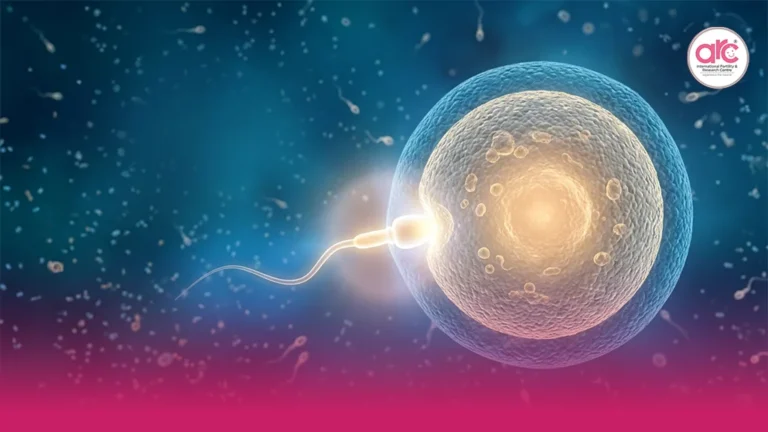
Once transferred, the embryo begins the process of implantation, where it attaches to the uterine lining.
This process typically takes several days.
Many patients worry that physical movement, walking, climbing stairs, or swimming could somehow dislodge the embryo.
Fortunately, that is not how implantation works.
The uterus is a secure environment, and normal daily activities do not cause the embryo to “fall out.”
Can I Swim After Embryo Transfer?
The answer depends largely on timing.
Most fertility specialists recommend avoiding swimming for a short period immediately after embryo transfer.
This recommendation is generally made as a precaution rather than because swimming has been proven to reduce implantation rates.
The main concern is exposure to bacteria and potential infections, particularly in public pools, hot tubs, lakes, or other shared water environments.
Although the risk is relatively low, fertility clinics often advise patients to be cautious during this critical stage of treatment.
Why Do Doctors Recommend Waiting?
There are a few reasons why swimming may be temporarily restricted after embryo transfer.
1. Reducing Infection Risk
Public pools, hot tubs, and natural water bodies contain microorganisms.
While most are harmless, avoiding unnecessary exposure during fertility treatment is often recommended.
The goal is to minimize any potential complications while implantation is taking place.
2. Supporting Recovery
Many patients undergo ovarian stimulation and egg retrieval before embryo transfer.
Even if recovery has been smooth, some women continue to experience mild bloating or pelvic discomfort.
A short period of rest may help the body feel more comfortable.
3. Avoiding Excessive Physical Activity
Swimming itself is generally considered low-impact exercise.
However, vigorous swimming, diving, or intense water workouts may place unnecessary strain on the body during the early post-transfer period.
Most fertility specialists encourage gentle activity instead.
Can Swimming Affect Implantation?
This is often the real concern behind the question.
Patients worry that swimming might prevent the embryo from implanting successfully.
Current evidence does not show that swimming directly affects implantation.
The embryo remains protected inside the uterus.
Normal movement, walking, and routine activities do not interfere with this process.
Implantation is influenced by factors such as
- Embryo quality
- Endometrial health
- Hormonal support
- Maternal age
- Overall reproductive health
Swimming itself is not considered a major factor affecting IVF success rates.
What Activities Are Usually Safe After Embryo Transfer?
Most fertility clinics encourage patients to continue normal daily activities while avoiding extremes.
Generally safe activities include:
- Walking
- Light household tasks
- Office work
- Gentle stretching
- Relaxation exercises
Maintaining a calm routine often helps patients feel more comfortable during the waiting period.
What Should Be Avoided?
For a short time after embryo transfer, many specialists recommend avoiding the following:
- Hot tubs
- Saunas
- Steam rooms
- Intense exercise
- Heavy lifting
- Competitive swimming
These recommendations are usually precautionary and designed to support overall well-being.
When Can You Swim Again?
The exact timing may vary depending on your fertility specialist’s advice.
Many clinics recommend waiting until the pregnancy test results are available.
Others may allow swimming sooner depending on individual circumstances.
Because every IVF cycle is different, personalized guidance is always best.
If you’re unsure, speak directly with your fertility team before returning to the pool.
Managing the Two-Week Wait
The days following embryo transfer can sometimes feel more challenging emotionally than physically.
Many patients find themselves analyzing every symptom and questioning every activity.
The reality is that implantation is largely influenced by biological factors that are outside your direct control.
Rather than focusing on restrictions, consider using this time to prioritize:
- Healthy meals
- Adequate sleep
- Hydration
- Stress management
- Light movement
Some patients also benefit from learning more about topics such as fertility nutrition and lifestyle habits that support reproductive health.
When Should You Contact Your Doctor?
While mild cramping and bloating can be normal after embryo transfer, contact your healthcare provider if you experience:
- Severe pain
- Heavy bleeding
- Fever
- Significant swelling
- Difficulty breathing
Prompt medical attention helps ensure any complications are addressed quickly.
The Final Word
So, can I swim after embryo transfer?
Most fertility specialists recommend waiting for a short period after the procedure, primarily to reduce infection risks and support recovery.
The reassuring news is that swimming itself has not been shown to prevent implantation or reduce IVF success rates.
If you have questions about post-transfer activities, consulting specialists at a fertility hospital in Chennai can provide personalized guidance based on your treatment plan.
Every IVF journey is unique, and the best approach is one that balances medical advice with peace of mind.
For couples seeking expert fertility care and support throughout treatment, the best fertility hospital in Chennai can help guide every step of the process from embryo transfer to pregnancy testing and beyond.
Frequently Asked Questions
Can I swim after embryo transfer?
Most fertility specialists recommend waiting for a short period after embryo transfer before returning to swimming.
Can swimming affect implantation?
Current evidence does not suggest that swimming directly affects embryo implantation.
Are pools safe after embryo transfer?
Many clinics advise avoiding public pools temporarily to reduce infection risks.
Can I exercise after embryo transfer?
Light activities such as walking are usually encouraged, while intense exercise is often postponed for a short period.