
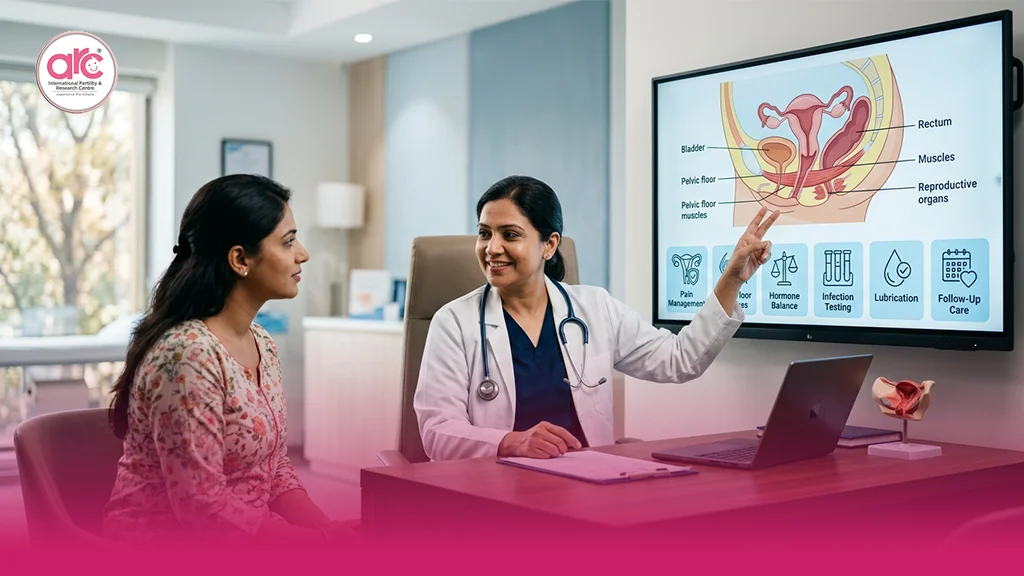
Overview
Pain during intercourse is more common than many women realize, yet it is often left unspoken due to embarrassment or fear. This blog on “7 Proven Medical Tips To Treat Painful Vaginal Intercourse” can help women understand the possible causes, identify effective treatment options and know when it is time to seek medical care.
The American College of Obstetricians and Gynecologists confirms that up to 75% of women experience painful sex at some point, making it one of the most common yet most under-reported gynaecological concerns in women’s healthcare today. Despite its prevalence, ACOG notes that many women delay seeking help for years, often believing the pain is simply something they must endure.
If you are experiencing persistent pain, consulting a trusted fertility hospital in Chennai can help identify the underlying cause and provide personalized treatment.
What Causes Painful Vaginal Intercourse?
Several physical and emotional factors can contribute to painful intercourse. Some of the most common causes include:
- Vaginal dryness due to hormonal changes
- Vaginal infections or urinary tract infections
- Endometriosis
- Pelvic inflammatory disease (PID)
- Ovarian cysts
- Uterine fibroids
- Vaginismus
- Skin disorders affecting the genital area
- Anxiety, stress or past emotional trauma
Understanding the exact cause is the first step towards effective treatment.
Get a Proper Medical Diagnosis
Ignoring recurring pain may worsen the underlying condition. A gynecologist will perform a detailed medical history review, pelvic examination and if necessary, recommend scans or laboratory tests.
An early diagnosis allows doctors to identify conditions like endometriosis, fibroids, infections or hormonal imbalances before complications arise.
Treat Vaginal Dryness Effectively
One of the leading causes of painful intercourse is inadequate lubrication.
Depending on the cause, your doctor may recommend:
- Water-based lubricants
- Vaginal moisturizers
- Estrogen therapy for post-menopausal women
- Lifestyle modifications to improve natural lubrication
Avoid using scented products or harsh soaps around the intimate area, as they may increase irritation.
Manage Underlying Medical Conditions
Pain during intercourse is often a symptom rather than a disease itself.
Medical treatment may be required for conditions such as:
- Endometriosis
- Pelvic inflammatory disease
- Fibroids
- Ovarian cysts
- Vaginal infections
Timely treatment not only relieves pain but also protects reproductive health. Women planning pregnancy should seek expert evaluation at the Best Fertility Hospital in Chennai, where specialists can assess both fertility and gynecological health together.
Seek Treatment for Vaginismus
Vaginismus is a condition in which the vaginal muscles tighten involuntarily, making penetration painful or impossible.
Treatment options include:
- Pelvic floor physiotherapy
- Vaginal dilator therapy
- Counseling
- Relaxation techniques
- Guided medical support
If you would like to understand this condition in your native language, you can read this detailed guide on Vaginismus in Tamil
Practice Pelvic Floor Exercises
Healthy pelvic floor muscles support comfortable intercourse and improve pelvic health.
A physiotherapist may recommend:
- Kegel exercises
- Pelvic muscle relaxation
- Breathing exercises
- Stretching techniques
These exercises improve muscle co-ordination and reduce pain over time.
Prioritize Emotional Well-being
Emotional health plays a significant role in sexual wellness.
Stress, anxiety, depression or previous traumatic experiences can contribute to pain during intimacy. Counseling or sex therapy may help couples communicate better and reduce anxiety associated with intercourse.
Open communication with your partner can also improve comfort and confidence throughout treatment.
Consult a Fertility Specialist Without Delay
When pain continues despite home remedies, professional medical care becomes essential.
This is especially important for women experiencing:
- Pain during every intercourse
- Bleeding after intercourse
- Severe pelvic pain
- Difficulty conceiving
- Pain associated with menstrual cycles
Why Early Treatment Matters?
Many women assume painful intercourse is normal after childbirth, during menopause or due to stress. However, persistent pain should never be ignored.
Following these “7 Proven Medical Tips To Treat Painful Vaginal Intercourse” can significantly improve comfort, reproductive health and overall quality of life. Early intervention often leads to quicker recovery and prevents long-term complications.
Women trying to conceive should also pay attention to lifestyle factors that support reproductive health. Along with treating underlying medical conditions, maintaining healthy sleep habits may improve overall well-being. Read more about the best sleeping positions to help get pregnant
Conclusion
Painful vaginal intercourse is a treatable medical condition, not something you have to live with.
Identifying the root cause, seeking timely medical evaluation and following appropriate treatment can restore both physical comfort and emotional confidence.
Frequently Asked Questions (FAQs)
1. Is painful vaginal intercourse normal?
Occasional discomfort may happen, but persistent pain is not normal. It should always be evaluated by a gynecologist.
2. Can vaginismus be treated?
Yes, vaginismus can be successfully managed with pelvic floor therapy, counseling and guided medical treatment.
3. Does painful intercourse affect fertility?
Some underlying conditions causing painful intercourse may also affect fertility. Early diagnosis helps improve reproductive outcomes.
4. When should I see a doctor if I encounter painful intercourse?
Consult a doctor if the pain is frequent, severe, associated with bleeding or affects your ability to conceive.
5. Can lifestyle changes help reduce painful intercourse?
Yes! Proper lubrication, pelvic floor exercises, stress management and timely medical care can significantly alleviate painful penetration.