
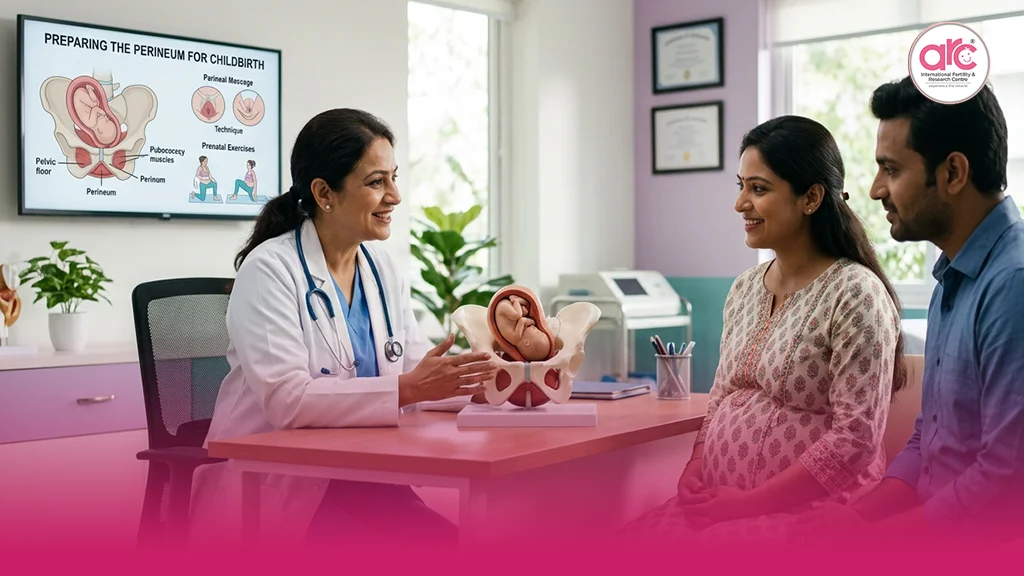
Overview
The final weeks of pregnancy are filled with anticipation, excitement and plenty of questions about labor. Among the many concerns expectant mothers have, one of the most common is whether they can avoid perineal tears during vaginal birth. If you’re wondering about “5 Ways to Prevent Perineal Tears Naturally Before Childbirth”, the good news is that there are several evidence-based practices that may reduce the risk of severe tearing and help prepare your body for delivery.
While no method can completely guarantee a tear-free birth, adopting healthy habits during pregnancy can improve tissue flexibility and support a smoother delivery. If you’re receiving prenatal care at a Fertility hospital in Chennai, your healthcare provider can guide you with personalized recommendations based on your pregnancy and medical history.
What Are Perineal Tears?
A perineal tear is a tear in the tissue between the vaginal opening and the anus (the perineum) that can occur during vaginal childbirth. Most tears are minor and heal well with proper care, while severe tears are less common but may require additional treatment.
Several factors influence the likelihood of tearing, including the baby’s size, the mother’s first vaginal delivery, labor duration and the speed of birth. Fortunately, there are natural ways to help prepare your body before labor begins.
i) Practice Perineal Massage
One of the most recommended methods to reduce the risk of severe tears is perineal massage.
From around 34-35 weeks of pregnancy, gently massaging the perineal tissues for a few minutes several times a week may improve flexibility and help the tissues stretch more easily during childbirth.
Always use clean hands and a pregnancy-safe natural oil if recommended by your healthcare provider.
ii) Stay Active with Pregnancy-Safe Exercises
Regular physical activity helps strengthen your pelvic muscles, improves blood circulation and enhances flexibility.
Some safe exercises include:
- Walking
- Prenatal yoga
- Pelvic floor relaxation exercises
- Gentle stretching
Exercise also improves stamina, which can be beneficial during labor. However, always consult your obstetrician before starting any exercise routine, especially if you have a high-risk pregnancy.
iii) Eat a Nutrient-Rich Pregnancy Diet
Healthy tissues need proper nutrition.
Include foods rich in:
- Vitamin C for collagen production
- Protein for tissue repair
- Zinc for wound healing
- Healthy fats for overall maternal health
- Plenty of water to maintain tissue hydration
A balanced pregnancy diet supports your body as it prepares for labor and recovery after childbirth.
iv) Learn Controlled Pushing Techniques
Many perineal tears occur when the baby’s head crowns rapidly.
During labor, your healthcare provider or midwife may encourage controlled breathing and slow, guided pushing instead of forceful pushing. This gives the perineal tissues more time to stretch naturally.
Attending childbirth education classes before delivery can help you become familiar with these techniques and reduce anxiety during labor.
v) Choose the Right Birth Position
Different labor positions can influence the amount of pressure placed on the perineum.
Positions such as:
- Side-lying
- Hands-and-knees
- Upright squatting (when appropriate)
- Supported kneeling
may reduce pressure compared to lying flat on the back in certain situations.
Your obstetrician will recommend the safest position based on your labor progress and your baby’s condition.
Can Natural Methods Completely Prevent Perineal Tears?
Many women search for “5 Ways to Prevent Perineal Tears Naturally Before Childbirth” hoping for a guaranteed solution. While these techniques may lower the likelihood of severe tearing, they cannot eliminate the risk entirely.
Every labor is different. Factors such as your baby’s position, birth weight, labor progression and individual tissue elasticity all play an important role. The goal is not perfection but preparing your body as much as possible for a safe vaginal birth.
When Should You Discuss Birth Planning with Your Doctor?
Birth preparation should begin well before your due date.
Talk to your obstetrician about:
- Your preferred birth positions
- Perineal massage
- Pain relief options
- Labor techniques
- Your birth plan
Women with previous cesarean deliveries often have additional questions about vaginal birth. If you’re considering a VBAC, read “Can You Have a Normal Delivery After a Previous C-Section?” to understand your options.
Expert Pregnancy Care Makes a Difference
Natural preparation works best when combined with regular prenatal care. Routine check-ups allow your healthcare team to monitor your baby’s growth, assess pregnancy progress and provide personalized advice based on your health.
If you’re looking for the Best Fertility Hospital in Chennai, choosing a center that offers comprehensive fertility, maternity and prenatal care ensures you receive expert guidance from conception to childbirth.
Final Thoughts
Perineal tears are a common part of vaginal childbirth, but simple natural practices may help reduce the risk of severe tears and improve your confidence before labor. Perineal massage, regular exercise, a nutritious diet, controlled pushing and choosing suitable birth positions all contribute to better birth preparation.
Most importantly, remember that every pregnancy and labor experience is unique. Work closely with your obstetrician to develop a personalized birth plan that prioritizes the health and safety of both you and your baby.
Frequently Asked Questions (FAQs)
1. When should I start a perineal massage?
Most experts recommend starting around 34-35 weeks of pregnancy after consulting your healthcare provider.
2. Can perineal massage completely prevent tears?
No. It may reduce the risk of severe tears, but it cannot guarantee a tear-free delivery.
3. Which exercises help prepare for childbirth?
Walking, prenatal yoga, gentle stretching and pelvic floor relaxation exercises are commonly recommended.
4. Does the baby’s size affect perineal tearing?
Yes. Larger babies may increase the likelihood of tearing, although many other factors also play a role.
5. Should I discuss my birth plan before labor?
Yes. Talking with your doctor before your due date helps you understand your options and prepare for a safer delivery.