Is cramping on one side 7 days after ovulation a sign of implantation? It can be, but it is not a reliable sign of pregnancy on its own. Mild one-sided cramping around 7 days past ovulation (7 DPO) falls within the time when implantation may occur, but many women experience similar sensations even when they are not pregnant. Hormonal changes after ovulation, the normal function of the ovary, or even digestive changes can all cause mild pelvic discomfort.
If you are trying to conceive, every new sensation during the two-week wait can feel significant. A slight pull on one side, a dull ache in the lower abdomen, or a brief cramp may immediately make you wonder whether implantation has happened. That emotional uncertainty is completely understandable. Many women spend these days analysing every symptom while hoping for good news.
At ARC Fertility Hospitals, this is one of the most common concerns discussed during fertility consultations. Rather than relying on a single symptom, fertility specialists look at your entire reproductive health—your ovulation pattern, ovarian reserve, fallopian tubes, uterine health, your partner’s sperm quality, and how long you’ve been trying to conceive. If you’re looking for a trusted Fertility Hospital in Chennai, choosing a team that explains your symptoms with evidence rather than assumptions can make the journey far less stressful.
What Happens Around 7 Days After Ovulation?
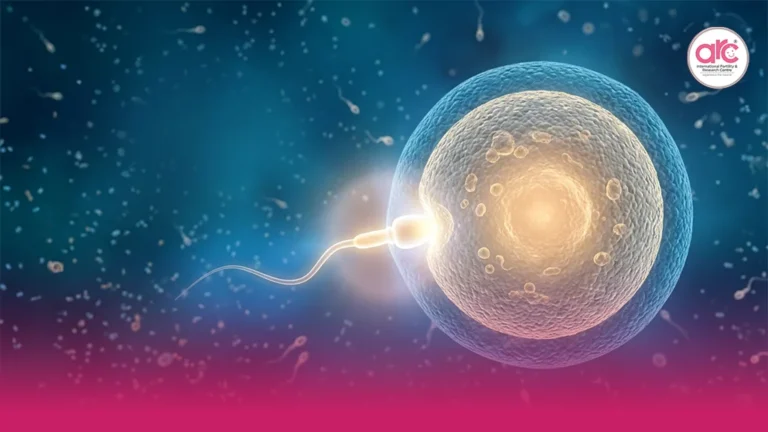
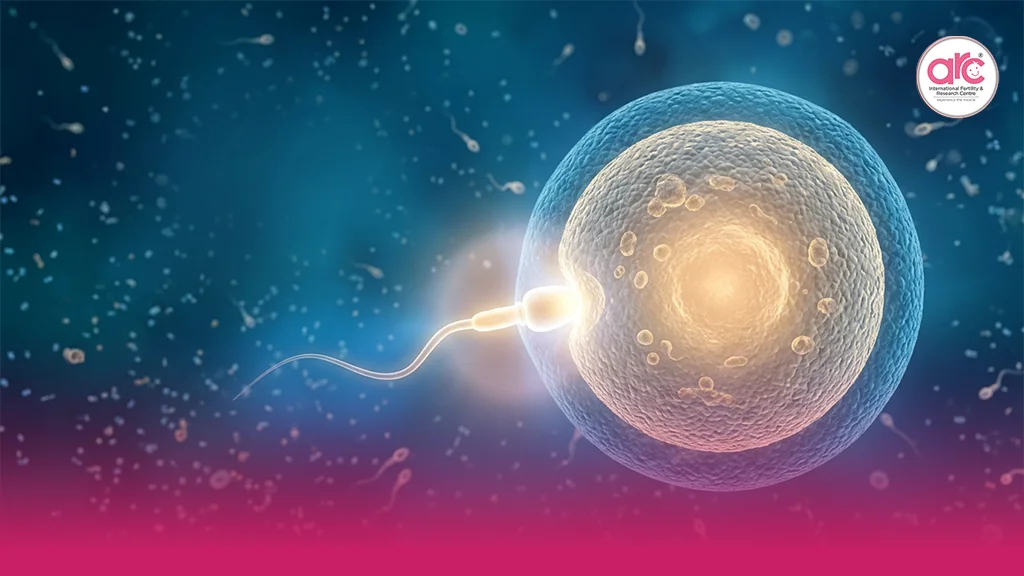
After ovulation, the egg remains alive for only about 12 to 24 hours. If sperm fertilises the egg during this time, the embryo begins travelling through the fallopian tube towards the uterus.
Implantation usually happens between 6 and 10 days after ovulation, although every pregnancy is slightly different. During this stage, the embryo attaches itself to the uterine lining, allowing pregnancy to continue developing.
Because 7 days after ovulation falls within this implantation window, many women naturally connect any pelvic sensation with implantation. However, implantation is an extremely tiny biological process. It usually does not create obvious symptoms, and many women who become pregnant never notice any cramping at all.
Likewise, many women experience mild cramping every month due to normal hormonal changes without becoming pregnant. This is why doctors do not diagnose implantation based on symptoms alone.
Why Does Cramping Happen on Only One Side?
One-sided cramping after ovulation often causes even more anxiety because many women assume it must be related to the ovary that released the egg.
Sometimes, that assumption is correct.
After ovulation, the follicle that released the egg transforms into a structure called the corpus luteum. Its job is to produce progesterone, the hormone that prepares the uterine lining for pregnancy. As the corpus luteum develops, some women notice mild discomfort on the side where ovulation occurred.
However, the corpus luteum is only one possible explanation.
Other common causes of one-sided cramping around 7 DPO include:
- Normal progesterone-related hormonal changes
- Mild ovarian stretching after ovulation
- Small functional ovarian cysts
- Digestive gas or constipation
- Pelvic muscle tension
- Normal menstrual cycle variation
Because the digestive system and reproductive organs lie very close together, it is often impossible to know exactly where a mild cramp is coming from.
The important thing to remember is that mild cramping by itself does not confirm implantation.
What Do Implantation Cramps Usually Feel Like?
When implantation cramping does occur, it is usually described as:
- A mild pulling sensation
- Gentle pressure low in the pelvis
- Brief dull aching
- Light pinching or tingling
- Very mild period-like cramps
Some women feel these sensations for only a few minutes, while others notice them on and off for a day.
However, there is no medically recognised pattern that can reliably distinguish implantation cramps from ordinary premenstrual cramps.
Some women who become pregnant experience no cramping whatsoever.
Others experience significant cramping during non-pregnant cycles because progesterone naturally affects the uterus after ovulation.
This uncertainty explains why fertility specialists advise women not to interpret every symptom as either good or bad news during the two-week wait.
Can Implantation Cause One-Sided Cramping?
Possibly—but it is impossible to say with certainty.
The uterus sits in the centre of the pelvis, and implantation itself is microscopic. Although some women describe cramping more on one side, there is no scientific evidence showing that implantation consistently causes one-sided pain.
More commonly, the one-sided sensation is believed to come from the ovary where ovulation occurred or from the corpus luteum rather than the embryo itself.
This is why doctors rely on pregnancy testing—not symptoms—to confirm implantation.
Could It Be Something Other Than Implantation?
Absolutely.
Many completely normal processes can produce cramping around the same time, including:
- Progesterone preparing the uterine lining
- Ovulation-related ovarian changes
- Mild bowel spasms
- Constipation
- Temporary bloating
- Muscle strain
Occasionally, one-sided pain may also be caused by an ovarian cyst or endometriosis.
Most of these conditions are harmless, but persistent or worsening pain should never be ignored.
If the pain becomes severe, is associated with heavy bleeding, fever, vomiting, dizziness, fainting, or shoulder-tip pain, you should seek urgent medical care.
When Should You Take a Pregnancy Test?
One of the biggest mistakes women make is testing too early.
Although implantation may occur around 7 DPO, the pregnancy hormone hCG usually takes time to build up in the bloodstream and urine.
Testing at 7 days after ovulation often leads to unnecessary disappointment because the hormone level may still be too low for even sensitive home pregnancy tests.
For the most reliable result:
- Wait until 12–14 DPO, or
- Test on the day your period is due.
If your cycles are irregular, speak with your doctor about the best timing for testing.
The NHS also explains that pregnancy tests become more accurate after the expected date of your period, as hCG levels continue to rise naturally.
How Do Fertility Specialists Interpret Cramping During the Two-Week Wait?
One of the biggest misconceptions is that doctors can predict pregnancy based on symptoms alone. In reality, fertility specialists rarely draw conclusions from cramping, spotting, or breast tenderness during the two-week wait because these symptoms can occur in both pregnant and non-pregnant cycles.
Instead, doctors look at the complete fertility picture. They consider your menstrual history, whether ovulation has actually occurred, the length of your luteal phase, hormone levels, ultrasound findings, medications, and, most importantly, the timing of your pregnancy test.
For women undergoing ovulation induction or IUI, mild cramping may simply be related to the medicines used to stimulate the ovaries. In IVF cycles, progesterone support or the embryo transfer procedure itself can also cause pelvic sensations that feel similar to implantation cramps. None of these symptoms reliably predict whether treatment has been successful.
This is why fertility specialists encourage couples to avoid judging the outcome based on how they feel during the waiting period. Waiting for the appropriate pregnancy test often provides far more accurate answers than trying to interpret every symptom.
When Does One-Sided Cramping Need Medical Attention?
Most mild cramping after ovulation settles on its own and is not a cause for concern. However, there are situations where one-sided pain should not be ignored.
You should seek medical attention if you experience:
- Severe or worsening pelvic pain
- Heavy vaginal bleeding
- Fever or chills
- Dizziness or fainting
- Vomiting
- Shoulder-tip pain
- Pain with a positive pregnancy test
Although uncommon, these symptoms can sometimes indicate conditions such as ovarian torsion, a ruptured ovarian cyst, pelvic infection, or an ectopic pregnancy. Early diagnosis is important because these conditions require prompt medical care.
Remember, severe pain is never considered a normal sign of implantation.
When Should You See a Fertility Specialist?
Many women spend months trying to interpret symptoms during every cycle instead of understanding why pregnancy has not happened.
If you are under 35 and have been trying to conceive for 12 months without success, it is advisable to schedule a fertility evaluation.
If you are 35 years or older, it is recommended to seek help after 6 months of regular, unprotected intercourse.
You should also consider an earlier consultation if you have:
- Irregular or absent periods
- Polycystic Ovary Syndrome (PCOS)
- Endometriosis
- Previous pelvic surgery
- Recurrent miscarriages
- Known thyroid disorders
- Previous ectopic pregnancy
- A history of pelvic infection
Rather than focusing on one symptom such as cramping, a comprehensive fertility assessment helps identify whether ovulation, egg reserve, sperm health, fallopian tubes, or uterine factors may be affecting conception.
At ARC Fertility Hospitals, every evaluation is designed to understand both partners’ fertility rather than placing the emotional burden on one person alone. Couples looking for a trusted Hospital often value this balanced, evidence-based approach because it avoids unnecessary treatments while ensuring that important fertility concerns are not missed.
What Can You Do During the Two-Week Wait?
The days between ovulation and pregnancy testing can feel incredibly long. While it is natural to notice every change in your body, constantly analysing symptoms often increases anxiety rather than providing answers.
Instead, try to focus on caring for yourself.
Stay well hydrated, eat balanced meals, continue taking folic acid if advised, sleep adequately, and avoid smoking or alcohol. If your fertility specialist has prescribed progesterone or other medications, continue taking them exactly as instructed unless you are advised otherwise.
Avoid repeatedly taking home pregnancy tests before the recommended time. Early testing frequently produces false-negative results simply because hCG levels have not yet risen enough to be detected.
Most importantly, remember that every woman’s body responds differently. Comparing your symptoms with someone else’s experience online rarely provides useful answers.
Looking Beyond One Symptom
One-sided cramping is only one small piece of a much bigger fertility picture.
Successful conception depends on many factors working together, including healthy ovulation, good egg quality, open fallopian tubes, a receptive uterine lining, healthy sperm, and appropriate timing.
This is why fertility specialists rarely make decisions based on symptoms alone.
If pregnancy has not happened despite regular attempts, it may be more helpful to investigate the underlying cause rather than waiting month after month for a particular symptom to appear.
If you’re exploring your fertility options, visiting a Hospital can provide clarity through evidence-based investigations such as ovulation assessment, AMH testing, ultrasound, tubal evaluation, and semen analysis. Understanding the complete picture often reduces anxiety and helps couples make informed decisions about natural conception, IUI, or IVF when appropriate.
Final Thoughts
So, is cramping on one side 7 days after ovulation a sign of implantation?
The answer is possibly—but not definitively.
Mild one-sided cramping around 7 DPO falls within the implantation window, but it can just as easily be caused by normal hormonal changes, the corpus luteum, digestive changes, or routine menstrual cycle variations. Because implantation symptoms vary greatly from one woman to another, cramping alone cannot confirm pregnancy.
The most reliable way to know whether implantation has occurred is to take a pregnancy test at the right time, usually around 12 to 14 days after ovulation or after your missed period.
If you have been trying to conceive for several months, have irregular cycles, experience severe pelvic pain, or have known fertility concerns, seeking timely medical advice can help you avoid unnecessary uncertainty. At ARC Fertility Hospitals, couples receive individualized fertility care that focuses on understanding the complete reproductive picture—not just one symptom. If you are looking for the Best Fertility Hospital in Chennai, choosing a centre that combines medical expertise with compassionate counselling can help you move forward with greater confidence and a clear, personalised fertility plan.