Does a Sudden Burst of Energy Happen During Early Implantation?
The days after ovulation can feel emotionally intense, especially when you are trying to conceive. Every small change in your body may feel like a clue: a cramp, a wave of sleepiness, a lighter mood, or even an unexpected burst of energy. So, does a sudden burst of energy happen during early implantation?
The honest answer is: it can happen around the time implantation may occur, but it is not considered a reliable or classic implantation symptom. Some women do report feeling unusually energetic during the implantation window, while others feel tired, emotional, bloated, crampy, or completely normal. A sudden energy shift on its own cannot confirm pregnancy.
At ARC Fertility Hospitals, we often meet women who are navigating this exact uncertainty during the two-week wait. The body is changing hormonally after ovulation whether pregnancy happens or not, and those hormone changes can sometimes feel surprisingly similar to early pregnancy symptoms.
What Happens During Implantation?
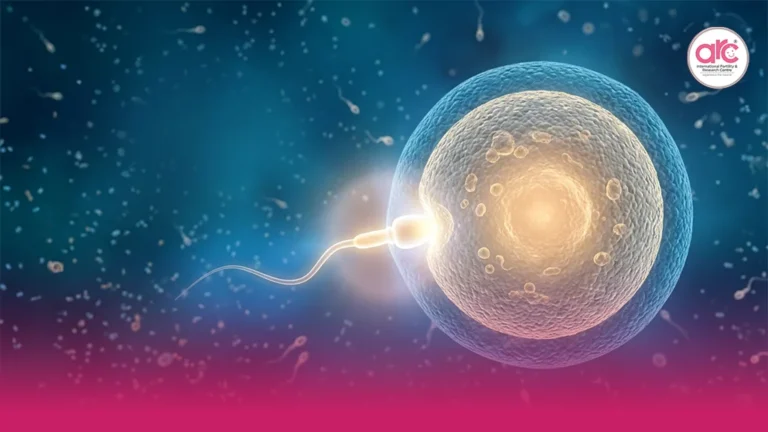
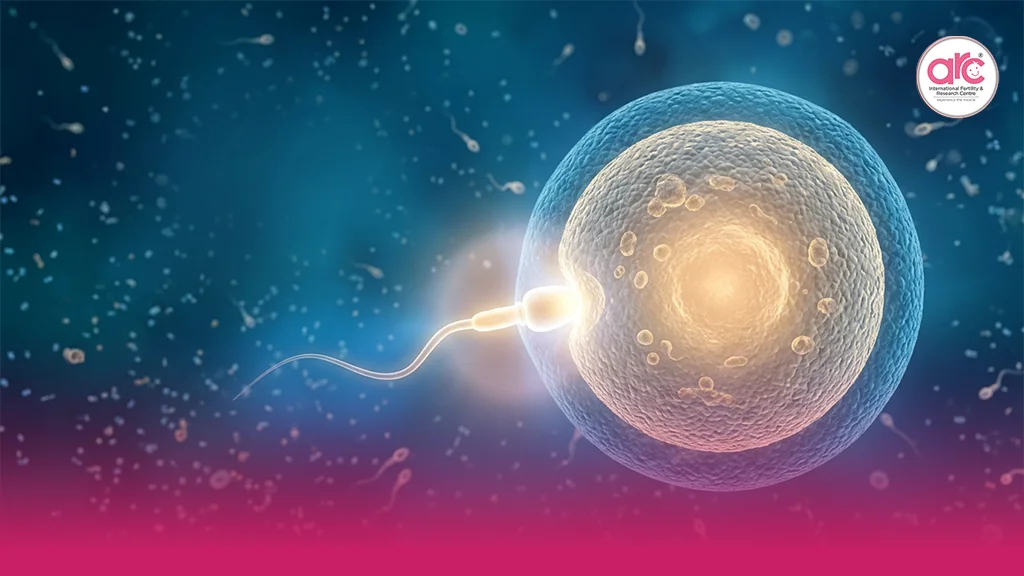
Implantation is the process where a fertilised embryo attaches to the lining of the uterus. This usually happens about 6 to 10 days after ovulation, although timing can vary slightly from person to person. Once implantation begins, the body starts producing human chorionic gonadotropin, commonly known as hCG, the hormone detected by pregnancy tests.
But hCG levels are very low at first. That means symptoms during very early implantation are often subtle, inconsistent, or absent. Many women do not feel implantation at all. Others may notice mild cramping, spotting, breast tenderness, mood changes, or fatigue. A sudden burst of energy is less commonly discussed, but it may still occur because hormone responses are highly individual.
Why Might You Feel Energetic Around Implantation?
If you feel unusually active, cheerful, focused, or restless around 6 to 10 days past ovulation, several factors could be involved. Not all of them are pregnancy-related.
1. Normal progesterone changes after ovulation
After ovulation, progesterone rises to support the uterine lining. For many women, progesterone causes tiredness, breast heaviness, bloating, and a slower feeling in the body. But not everyone responds in the same way. Some women may feel calmer or more stable after ovulation, which can be interpreted as a boost in energy.
2. Emotional anticipation during the two-week wait
Trying to conceive can make you more alert to your body. Hope, nervousness, and anticipation can sometimes create a temporary surge of energy. You may suddenly feel motivated to organise things, search symptoms, plan ahead, or simply feel emotionally lifted. This does not mean the feeling is imaginary; it simply means the mind and body are closely connected during fertility journeys.
3. Better sleep, food, or reduced stress that day
Energy can change for ordinary reasons too. A better night’s sleep, a balanced meal, hydration, reduced work stress, or a positive mood can all create a sudden energetic feeling. During the implantation window, it is easy to connect every body signal to pregnancy, but daily lifestyle changes also matter.
4. Early pregnancy hormonal shifts
In some women, early hormonal changes after implantation may affect mood and energy. However, this is usually not strong enough to be used as proof of pregnancy. More commonly, early pregnancy is associated with fatigue rather than increased energy, especially as progesterone remains high.
Is a Burst of Energy a Sign of Pregnancy?
A burst of energy can happen in a cycle where pregnancy occurs, but it is not a dependable sign of pregnancy. The difficulty is that premenstrual symptoms and early pregnancy symptoms overlap. You may feel energetic in a pregnant cycle, and you may feel the same way in a non-pregnant cycle.
That is why fertility specialists do not diagnose pregnancy based on symptoms alone. A urine pregnancy test after a missed period, or a blood beta-hCG test when advised, gives a much clearer answer. Testing too early can lead to confusion because hCG may not yet be high enough to detect.
What Symptoms Are More Common During Implantation?
Implantation symptoms, when they happen, are usually mild. Some women notice light spotting that is pinkish or brownish, mild pulling or cramping, breast sensitivity, lower back discomfort, mood changes, or a slight change in discharge. Even these symptoms are not guaranteed signs of pregnancy.
Mild pelvic sensations can also occur due to ovulation, digestion, hormonal shifts, or the uterus responding to progesterone. If you are trying to understand the difference between ovulation discomfort and later-cycle cramping, this guide on light cramping during ovulation may help you observe timing more clearly.
It is also worth remembering that cervical mucus and vaginal discharge may change due to hormones, hydration, medications, or infections. For example, some women wonder whether medicines affect fertility signs; ARC has also explained how cold medication may affect cervical mucus, which can be useful when tracking your cycle.
When Should You Take a Pregnancy Test?
If you suspect implantation has happened, it is natural to want to test immediately. But testing too soon can create unnecessary disappointment. Most home pregnancy tests are more reliable from the day your period is due. If your cycles are irregular, testing about 14 days after ovulation is usually more helpful.
If you are undergoing fertility treatment such as IUI or IVF, follow the testing date given by your fertility team. In IVF cycles, testing early at home can be especially confusing because trigger injections may affect results. A clinic-advised beta-hCG blood test is the most reliable way to confirm pregnancy after treatment.
When Is Energy Change a Concern?
A short-lived burst of energy is usually not worrying. However, you should speak to a doctor if your energy changes are accompanied by severe pelvic pain, heavy bleeding, dizziness, fainting, fever, foul-smelling discharge, or intense anxiety. These symptoms need medical attention and should not be dismissed as implantation.
Also, if you experience repeated cycles of unusual symptoms, irregular periods, very painful periods, or difficulty conceiving for 12 months if under 35, or 6 months if 35 or older, it may be time for a fertility evaluation. Early assessment does not mean you will need IVF immediately. Often, it helps identify simpler issues such as ovulation problems, thyroid imbalance, semen abnormalities, tubal factors, or hormone concerns.
How Fertility Specialists Look at Symptoms
At ARC Fertility Hospitals, symptoms are considered as part of the overall picture, not as standalone proof. A fertility specialist may look at your cycle length, ovulation timing, hormone levels, ultrasound findings, uterine lining, medical history, and partner’s semen analysis. This helps separate normal cycle variation from concerns that need treatment.
For example, two women may both report cramping and tiredness after ovulation. One may have a completely normal cycle, while another may have luteal phase concerns, endometriosis, or hormonal imbalance. The symptom may sound the same, but the reason behind it can be different. That is why personalised evaluation matters.
What Should You Do During the Implantation Window?
The best approach is gentle observation rather than constant symptom checking. Eat balanced meals, stay hydrated, sleep well, avoid smoking and alcohol, and take prenatal vitamins if your doctor has recommended them. Avoid starting or stopping medicines without medical advice.
Emotionally, it may help to remind yourself that not feeling symptoms does not mean failure, and feeling symptoms does not guarantee pregnancy. Many successful pregnancies begin with no noticeable implantation signs at all. Likewise, strong symptoms can happen in cycles where the period arrives.
The Bottom Line
So, does a sudden burst of energy happen during early implantation? It may happen for some women, but it is not a standard or reliable implantation sign. Energy changes can be related to progesterone, emotional anticipation, sleep, lifestyle factors, or early hormonal shifts. The only dependable way to know whether implantation led to pregnancy is through a properly timed pregnancy test.
If you are trying to conceive and feel confused by your body’s signals, you are not alone. The two-week wait can be emotionally demanding. ARC Fertility Hospitals supports women and couples with medically guided fertility evaluation, clear counselling, and treatment plans based on individual needs rather than guesswork.