How to Stay Calm During the Two Week Wait After Ovulation
The two week wait after ovulation can feel much longer than two weeks. For many women trying to conceive, these days are filled with symptom-checking, hope, worry, and repeated questions: Was that cramp implantation? Is breast tenderness a good sign? Should I test early? What if this cycle does not work?
If this sounds familiar, you are not alone. The time between ovulation and your expected period is emotionally intense because there is very little you can do to change the outcome once ovulation has happened. That lack of control can make the mind search for clues in every sensation. Learning how to stay calm during the two week wait after ovulation is not about pretending you do not care. It is about protecting your emotional health while your body completes a natural biological process.
What Actually Happens During the Two Week Wait?
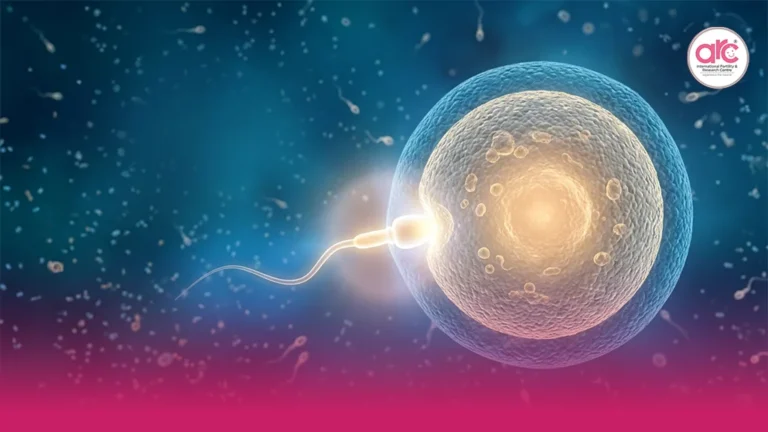
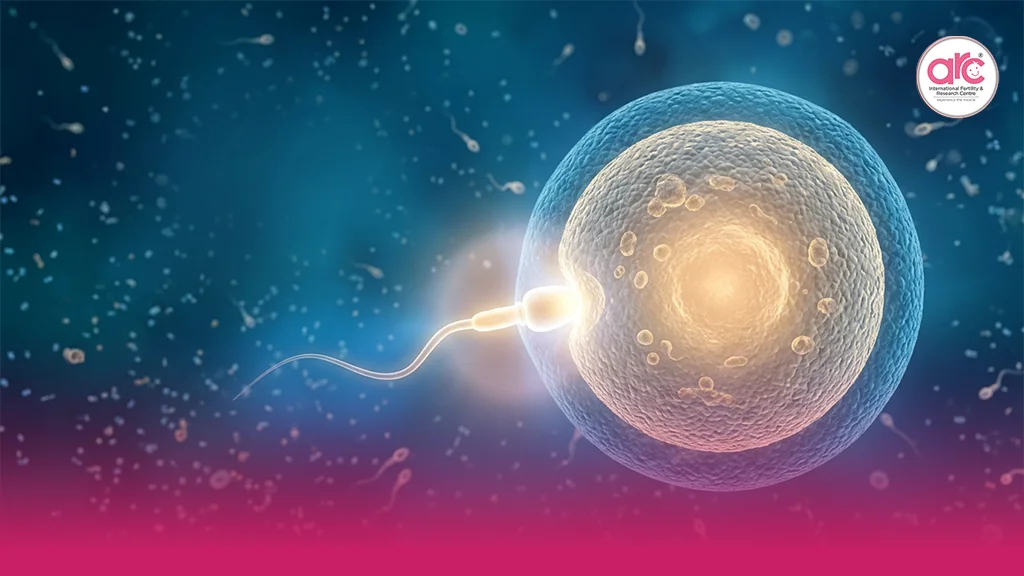
After ovulation, the released egg can survive for about 12 to 24 hours. If sperm is present and fertilisation occurs, the fertilised egg begins moving through the fallopian tube toward the uterus. Implantation, if it happens, usually occurs several days later. Only after implantation does the body begin producing enough pregnancy hormone, hCG, to be detected by a test.
This is why testing too early often creates confusion. A negative test before your missed period may simply mean hCG has not risen enough yet. At the same time, symptoms during this phase are not always reliable. Progesterone naturally rises after ovulation, whether or not pregnancy occurs, and it can cause bloating, tiredness, mood changes, breast tenderness, and mild cramps.
Understanding this biology can reduce some fear. Symptoms are real, but they are not always specific. Your body is not misleading you; it is responding to normal hormonal changes.
Why the Two Week Wait Feels So Emotionally Difficult
The two week wait is difficult because it sits between effort and answer. You may have tracked ovulation, timed intercourse, taken medicines, undergone IUI, or completed an IVF cycle. Then suddenly, you are asked to wait.
During this waiting period, many women feel caught between hope and self-protection. You may be afraid to feel excited because disappointment has happened before. You may also feel guilty for feeling anxious, especially when people say, “Just relax.” But fertility stress is not a character flaw. It is a natural response to uncertainty, especially when pregnancy has taken longer than expected.
At ARC Fertility Hospitals, fertility counselling often includes helping patients understand that emotional steadiness does not mean constant positivity. It means having tools to move through uncertain days without letting anxiety take over every hour.
Practical Ways to Stay Calm During the Two Week Wait
1. Set a Testing Plan Before Anxiety Takes Over
One of the most helpful steps is to decide in advance when you will test. Ideally, wait until the day your period is due or as advised by your fertility specialist. If you are undergoing fertility treatment, follow the clinic’s recommended blood test date rather than relying on repeated home tests.
Early testing can become a cycle of temporary relief followed by more doubt. If you choose to keep pregnancy tests at home, consider asking your partner or a trusted person to hold them until the planned date. This small boundary can reduce the urge to test every morning.
2. Stop Interpreting Every Symptom as Proof
It is natural to notice every twinge after ovulation. However, cramps, discharge changes, breast tenderness, fatigue, and mood swings can happen in both pregnancy and premenstrual phases. Mild ovulation-related discomfort can also be part of your normal cycle. If you often notice mid-cycle pain, reading about light cramping during ovulation may help you understand what is commonly expected.
Try replacing “Is this a pregnancy symptom?” with “This is a body sensation, and I do not need to solve it right now.” That shift may sound simple, but it can prevent hours of searching and worrying.
3. Create a Two Week Wait Routine
Anxiety grows when the mind has too much empty space. A gentle routine gives your day structure without making you feel pressured. Plan activities that are calming but not emotionally demanding: short walks, cooking something nourishing, reading, light work, journaling, watering plants, or spending time with someone who does not constantly ask about pregnancy.
Keep the routine realistic. This is not the time to overhaul your life. The goal is not perfection; it is emotional containment. Even a daily 20-minute walk and a fixed bedtime can help regulate stress.
4. Limit Online Searching
Online forums can feel comforting at first, especially when you find someone with the same symptoms. But they can also increase anxiety because every story has a different ending. One woman’s implantation cramps may feel identical to another woman’s premenstrual cramps. Fertility experiences are deeply individual.
If you find yourself searching the same question repeatedly, set a limit. For example, choose one reliable medical source or speak to your fertility team instead of scrolling through dozens of personal experiences. Information should reduce confusion, not multiply it.
5. Use Breathing to Calm the Body, Not Just the Mind
When anxiety rises, the body often reacts first: tight chest, restless hands, racing thoughts, or disturbed sleep. Slow breathing helps signal safety to the nervous system. Try inhaling for four counts, exhaling for six counts, and repeating for five minutes. Longer exhalation can help reduce physical tension.
This will not guarantee pregnancy, and it should not be presented that way. But it can help you move through the wait with less physical stress. Emotional care is part of fertility care, even when it does not directly control the outcome.
What Should You Avoid During the Two Week Wait?
In most natural cycles, you do not need to treat yourself as fragile. However, it is sensible to avoid smoking, alcohol, recreational drugs, and unnecessary medications unless cleared by your doctor. Continue any prescribed fertility medicines exactly as advised.
Moderate activity is usually acceptable, but avoid suddenly starting intense workouts if your body is not used to them. If you have had IVF, IUI, ovarian stimulation, or have specific medical concerns, follow your doctor’s activity and medication advice.
Also avoid blaming yourself. A negative cycle is not caused by one stressful thought, one cup of coffee, or one emotional day. Conception depends on many factors, including egg quality, sperm health, ovulation, tubal function, uterine receptivity, age, and timing.
When Symptoms Need Medical Attention
Most mild cramps, bloating, or breast tenderness after ovulation are not emergencies. But severe pelvic pain, heavy bleeding, fever, dizziness, fainting, or sharp one-sided pain should be evaluated. Sometimes pain that is assumed to be ovulation-related may need medical assessment, especially if it is intense or persistent. If you are unsure, understanding the difference between ovulation pain and an ovarian cyst can be a useful starting point, but it should not replace a consultation.
If you are undergoing fertility treatment and experience severe bloating, vomiting, breathing difficulty, or rapid weight gain after stimulation, contact your fertility clinic promptly, as these symptoms need professional review.
How Partners and Family Can Help
The two week wait is not only a medical wait; it is an emotional one. Partners can help by not repeatedly asking, “Do you feel pregnant?” or “Did you test?” Instead, they can ask, “What would make today easier?” Practical support matters: taking over a task, joining a walk, watching a light movie together, or simply listening without trying to fix the fear.
If family members are unaware of your fertility journey, it is okay to protect your privacy. You do not owe everyone updates. Choosing who gets access to your emotional space can make the wait feel less exposed.
When to Seek Fertility Support
If you have been trying to conceive for 12 months and are under 35, or for 6 months if you are 35 or older, it may be time for a fertility evaluation. You should seek help earlier if you have irregular periods, known PCOS, endometriosis, previous pelvic infection, recurrent miscarriage, or if your partner has known sperm concerns.
A fertility evaluation does not always mean IVF. Doctors may recommend ovulation tracking, hormonal testing, semen analysis, ultrasound, tubal assessment, lifestyle guidance, medicines, IUI, IVF, or other treatment depending on the cause. At ARC Fertility Hospitals, the aim is to identify why conception may be delayed and guide couples toward the most appropriate option, not to rush everyone into the same treatment.
A Kinder Way to Wait
The two week wait asks you to live with uncertainty, and that is not easy. Some days you may feel hopeful. Other days you may feel convinced it has not worked. Both reactions are human.
Try to focus on what is within your control: taking prescribed medicines, eating regularly, resting, limiting unnecessary testing, avoiding harmful substances, and asking for support when you need it. You do not have to stay perfectly calm to deserve a positive outcome. You only need enough support to get through the wait without feeling alone.
If the wait feels overwhelming cycle after cycle, consider speaking with a fertility specialist. Sometimes clarity itself is calming. Understanding your cycle, your ovulation pattern, your reproductive health, and your treatment options can turn uncertainty into a more informed next step.